Introduction to Proximity Sensor Technology
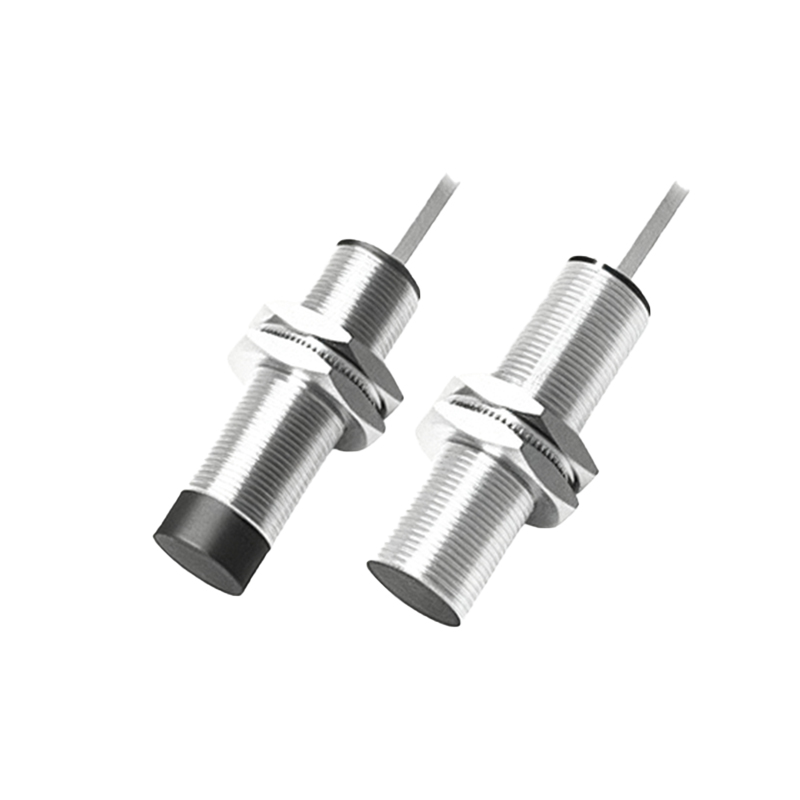
Proximity sensors are indispensable components in modern industrial automation, robotics, and consumer electronics. These non-contact devices detect the presence or absence of an object within a specific range without physical contact. They operate on various principles, including inductive, capacitive, ultrasonic, and photoelectric sensing. The choice of technology depends on factors such as the target material, required sensing distance, environmental conditions, and application-specific needs. As industries increasingly adopt Industry 4.0 and smart manufacturing practices, the demand for reliable, precise, and durable proximity sensors has surged, making the selection of a capable manufacturer a critical decision for system integrators and OEMs.
Key Selection Criteria for Manufacturers
When evaluating proximity sensor manufacturers, several critical factors come into play. Product quality and reliability are paramount, as sensors often operate in harsh industrial environments with exposure to dust, moisture, vibration, and extreme temperatures. The breadth of the product portfolio is another key consideration; leading manufacturers offer a wide range of sensor types, housing materials, output configurations (PNP/NPN, analog, IO-Link), and connection methods. Technical support, application engineering expertise, and global availability through robust distribution networks are equally important. Finally, compliance with international standards (e.g., IEC, UL, CE) and certifications for specific industries (like food and beverage or automotive) are non-negotiable for most professional applications.
Leading Global Proximity Sensor Manufacturers
The global market for proximity sensors is served by several established industry leaders. Siemens AG, a German conglomerate, is renowned for its comprehensive automation portfolio, including highly reliable inductive and ultrasonic proximity sensors under its SIMATIC and SIRIUS brands. Another major player is Omron Corporation from Japan, which offers an extensive lineup of E2E series inductive sensors and E2K capacitive sensors, known for their precision and durability in factory automation. Pepperl+Fuchs, also based in Germany, specializes in intrinsic safety and explosion-proof sensors, making them a preferred choice for hazardous areas in chemical and pharmaceutical industries. These companies set the benchmark for innovation, quality, and global service.
Specialized and Niche Market Providers
Beyond the industry giants, several specialized manufacturers excel in particular niches. Balluff GmbH, a German sensor specialist, is highly regarded for its innovative designs, such as multi-technology hybrid sensors and compact form factors, catering to advanced robotics and material handling. Turck, another German firm, is celebrated for its ruggedized sensor solutions with high ingress protection ratings, ideal for washdown environments in food processing. In the United States, Banner Engineering Corp. stands out with its versatile photoelectric and ultrasonic sensors, often praised for user-friendly features and strong technical documentation. These providers often compete on specialized performance, application-specific solutions, and responsive customer support.
Innovation and Future Market Trends
The competitive landscape is driven by continuous innovation. Current trends include the integration of Industrial Internet of Things (IIoT) capabilities directly into sensors. Manufacturers are developing "smart sensors" with embedded IO-Link communication, which enables detailed condition monitoring, parameter setting via software, and predictive maintenance data. Miniaturization is another significant trend, allowing sensors to be installed in increasingly compact machinery and consumer devices. Furthermore, there is a growing emphasis on developing sensors with enhanced immunity to electromagnetic interference (EMI) and the ability to detect new types of materials. Manufacturers investing in these R&D areas are positioning themselves for future growth in smart factories and autonomous systems.
Conclusion and Final Recommendations
Selecting the right proximity sensor manufacturer is a strategic decision that impacts system performance, uptime, and total cost of ownership. For high-volume, standard automation applications, global leaders like Siemens, Omron, and Pepperl+Fuchs offer proven reliability and worldwide support. For challenging environments or specialized needs, exploring the solutions from Balluff, Turck, or Banner Engineering is highly recommended. Ultimately, the best choice involves a careful analysis of the specific application requirements, followed by evaluating manufacturers based on their technical expertise, product suitability, and local support infrastructure. Engaging with distributors and requesting product samples for real-world testing remains a best practice before finalizing any procurement decision.