Introduction to Turck Photoelectric Sensors
Turck photoelectric sensors represent a cornerstone of modern industrial automation, offering unparalleled precision in object detection across diverse applications. These sensors operate on the fundamental principle of emitting a light beam—typically infrared, visible red, or laser—and detecting changes in the received light signal. The core technology involves a transmitter and a receiver. When an object interrupts or reflects the light beam, the sensor's output state changes, triggering a control action in the automation system. Turck has refined this technology over decades, integrating robust housing designs and advanced electronics to ensure reliable performance in the harshest industrial environments, from automotive assembly lines to food and beverage processing plants. Their sensors are engineered to withstand extreme temperatures, heavy vibration, and exposure to dust, moisture, and aggressive chemicals, making them a trusted choice for engineers worldwide.
Key Operating Modes and Technologies
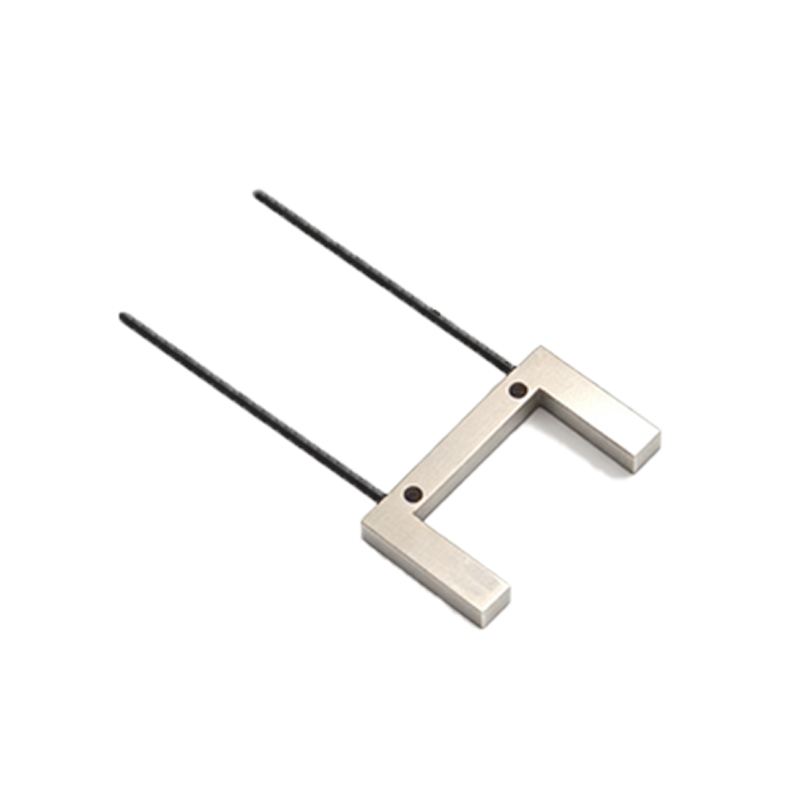
Turck photoelectric sensors are available in several distinct operating modes, each tailored for specific detection challenges. The through-beam mode, featuring separate transmitter and receiver units, offers the longest sensing ranges and highest reliability, ideal for precise detection of opaque objects. Retro-reflective sensors use a single unit and a reflector, providing a practical solution for detecting objects at medium ranges. Diffuse mode sensors, or proximity sensors, detect objects by reflecting light directly off the target's surface, offering easy installation for close-range applications. A significant advancement from Turck is the background suppression technology, particularly in diffuse sensors. This technology uses triangulation principles to measure distance, allowing the sensor to ignore objects beyond a set range, thus eliminating false triggers from reflective backgrounds or conveyor belts. Furthermore, Turck's innovative Q-series sensors incorporate teach-in functionality and IO-Link communication, enabling digital parameter setting, remote diagnostics, and seamless integration into Industry 4.0 and IIoT frameworks.
Advanced Features for Demanding Applications
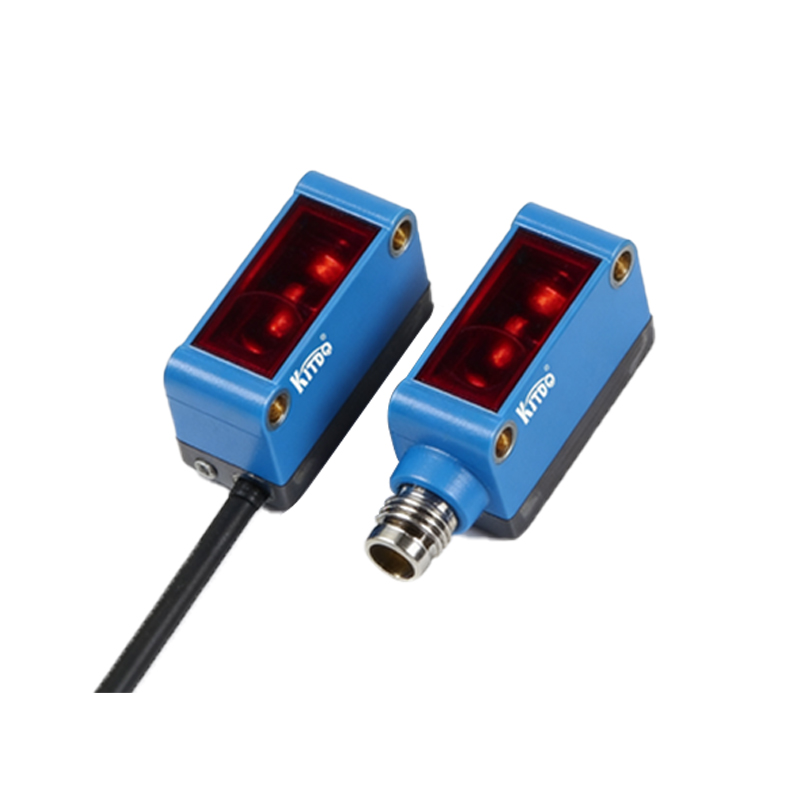
Beyond basic detection, Turck sensors incorporate features that solve complex application problems. Polarization filters in retro-reflective models prevent false signals from shiny, reflective surfaces like metal or plastic. High-speed models with response times in the microsecond range are critical for counting small, fast-moving parts on high-speed packaging lines. For applications involving clear glass, liquid level detection, or label sensing, sensors with stable background suppression or precise laser beams are indispensable. Turck also offers specialized models for color detection and contrast recognition, vital in printing, packaging, and sorting systems. The housing materials, such as stainless steel V4A or high-grade plastics with IP69K ratings, ensure complete resistance to high-pressure washdowns in hygienic industries. These advanced features collectively minimize downtime, reduce maintenance costs, and enhance overall system efficiency.
Integration and Connectivity in Smart Factories
The modern industrial landscape demands connectivity, and Turck photoelectric sensors are at the forefront of this shift. The integration of IO-Link, a point-to-point serial communication protocol, transforms a simple sensor into an intelligent device. IO-Link enables the digital transmission of process data, device parameters, and diagnostic information directly to the PLC or control system. This allows for remote configuration, condition monitoring, and predictive maintenance. For instance, an engineer can monitor the contamination level of a sensor's lens or its operating temperature from a control room, scheduling cleaning or replacement before a failure occurs. Turck's extensive portfolio includes sensors with standard M8, M12, or M18 connectors, as well as models with quick-disconnect cabling systems, simplifying installation and replacement. This focus on seamless integration supports the agile and data-driven operations required in smart factories.
Selection Guidelines and Best Practices
Selecting the correct Turck photoelectric sensor requires a systematic analysis of the application parameters. The primary considerations include the sensing range, object size and material, required response speed, and environmental conditions. For long-range detection of large objects, a through-beam sensor is optimal. For detecting small objects on a reflective conveyor, a diffuse sensor with background suppression is necessary. The mounting constraints, available voltage supply (10-30V DC or 20-250V AC), and output type (PNP/NPN, NO/NC, analog, or IO-Link) must also be specified. Turck provides detailed datasheets, selection software, and sizing tools to assist in this process. Best practices for installation involve ensuring stable mounting, proper alignment, and protecting the sensor lens from accumulation of dust or debris. Regular functional checks and leveraging built-in diagnostic indicators, like the stable signal LED found in many Turck models, are essential for maintaining long-term, trouble-free operation.
Conclusion: Driving Efficiency with Reliable Detection
In conclusion, Turck photoelectric sensors are more than just detection devices; they are critical components that ensure the precision, safety, and efficiency of automated systems. Their robust construction, technological sophistication in operating modes, and smart connectivity options like IO-Link make them adaptable to an ever-widening array of industrial challenges. By providing reliable and accurate data on object presence, position, and even characteristics, these sensors form the sensory foundation upon which responsive and intelligent automation is built. For system integrators and plant engineers, investing in Turck's sensor technology translates into reduced machine downtime, lower total cost of ownership, and a significant step towards realizing the full potential of a connected, Industry 4.0-ready production environment.