Understanding the Basic Principle
Reflective photoelectric sensors, often called retro-reflective sensors, operate on a straightforward yet highly effective principle. The sensor unit itself contains both a light emitter, typically an LED or laser diode, and a receiver. The emitted light beam is directed towards a specially designed reflector, known as a retro-reflector or reflective tape. This reflector is constructed with a pattern of corner-cube prisms or micro-prismatic material that returns the light beam directly to its source along a parallel path, regardless of the angle of incidence within a certain range. The receiver detects this returned light. When an object passes between the sensor and the reflector, it interrupts the beam, causing a significant drop in the received light intensity. This change triggers the sensor's output to switch states, signaling the presence or absence of the object.
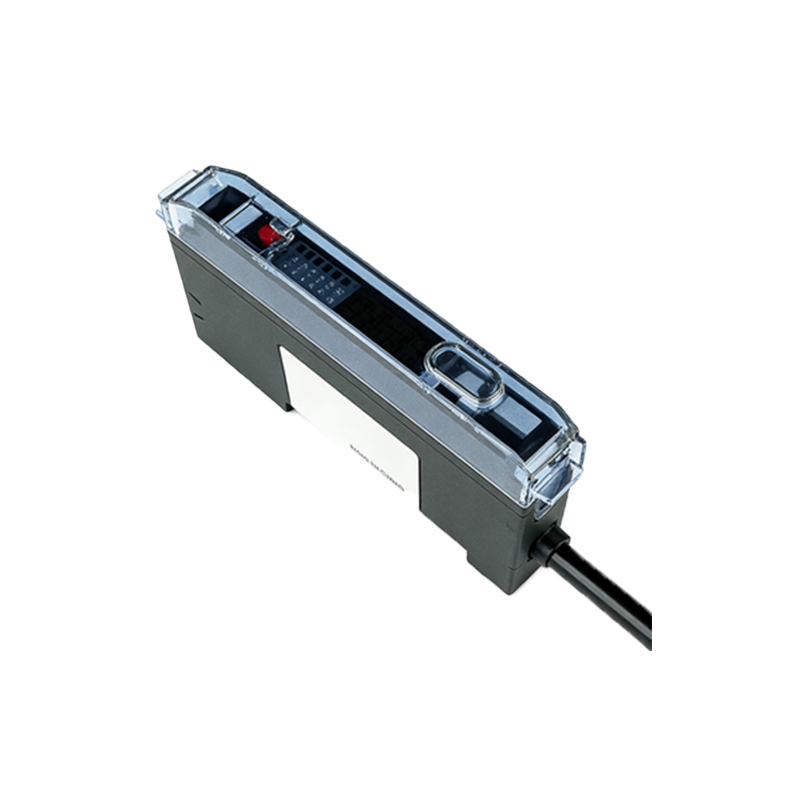
Key Components and Their Roles
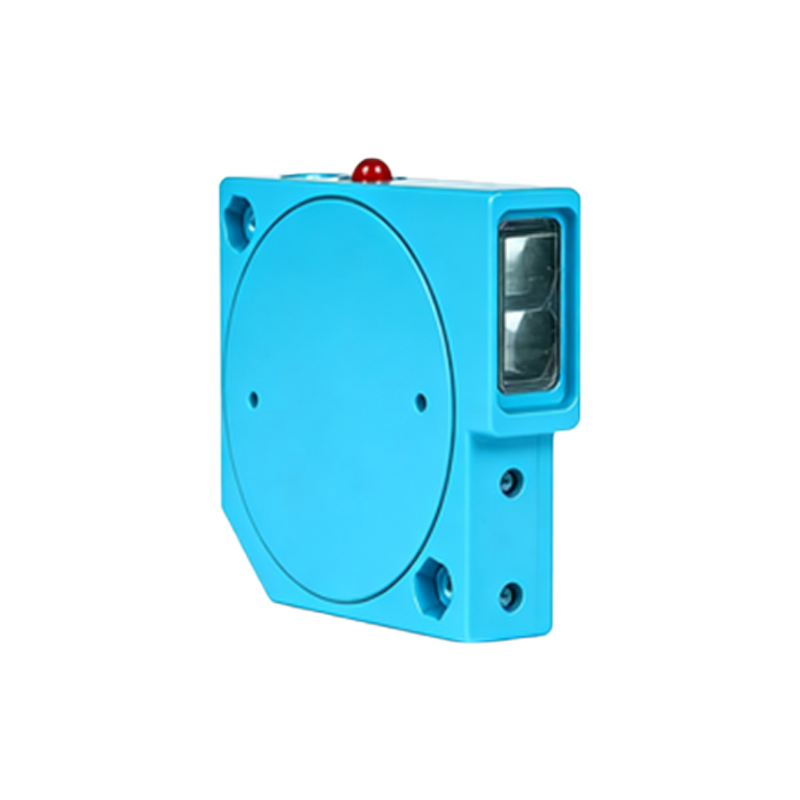
The performance of a reflective photoelectric sensor hinges on its core components. The light source is critical; red LED lights are common for general-purpose applications, offering a good balance of visibility and cost. For longer sensing distances or demanding environments, laser diodes provide a highly focused, intense beam. Infrared LEDs are used where the light beam should be invisible or to minimize ambient light interference. The photoelectric receiver is usually a phototransistor or photodiode that converts the received light intensity into an electrical signal. The optical design, including lenses and apertures, shapes and focuses the beam. Finally, the retro-reflector is not a simple mirror. Its unique triple-mirror design ensures the beam is returned accurately to the receiver, even if the sensor and reflector are slightly misaligned, which is a significant advantage over through-beam setups.
Advantages Over Other Sensing Methods
Compared to through-beam and diffuse-reflective sensors, the retro-reflective type offers distinct benefits. The primary advantage is simplified installation and wiring. Unlike a through-beam system, which requires separate emitter and receiver units with two separate wiring runs on opposite sides of the detection area, a retro-reflective sensor combines both in one housing. Only one unit needs to be mounted and wired, with the passive reflector placed opposite. This cuts installation time, cost, and complexity. It also allows for longer sensing ranges than standard diffuse-reflective sensors, which rely on light bouncing off the target itself. The use of a dedicated, efficient reflector provides a strong, consistent return signal, enabling reliable detection over distances from a few centimeters up to several meters.
Common Industrial Applications
These sensors are ubiquitous in automation and packaging due to their reliability and ease of use. A classic application is object detection on conveyor belts. Sensors monitor for the presence of boxes, bottles, or parts, triggering counters, sorters, or stopping mechanisms. They are ideal for detecting transparent objects like glass or plastic bottles, as special polarizing filters can be used to distinguish the true beam interruption from specular reflections off the shiny surface. In material handling, they serve as safety curtains or gate monitors to detect personnel or objects in restricted zones. They are also used in elevator systems to detect the position of the cabin at floor levels or to ensure doors are clear before closing.
Critical Selection Criteria
Choosing the correct reflective photoelectric sensor requires careful consideration of several parameters. Sensing distance is paramount; always select a sensor with a rated distance greater than your actual required distance to account for environmental factors like dust or minor misalignment. The size and material of the target object matter, especially for small or low-reflectivity items. The response time of the sensor must be fast enough to detect objects moving at high speeds. Environmental conditions are crucial: sensors with IP67 or higher ratings are needed for washdown or outdoor use, while models with built-in background suppression or polarized filters are essential for detecting shiny or transparent objects. Finally, consider the output type (PNP/NPN, analog, relay) and electrical connection to ensure compatibility with your control system.
Installation Tips and Troubleshooting
Proper installation maximizes reliability. Ensure the sensor and reflector are aligned as perpendicularly as possible, though the retro-reflective design offers some forgiveness. Keep the lens and reflector clean from dust, oil, and debris, as contamination is the leading cause of failure. Avoid mounting near highly reflective surfaces that could cause false reflections back to the receiver. When troubleshooting a malfunction, first verify power and wiring. Then, check alignment and cleanliness. Many sensors have a visible red beam or a stability indicator LED to aid alignment and signal strength verification. Use an opaque object to test the beam interruption. If problems persist, consider environmental factors like strong ambient light, which may require a sensor with a modulated light source to filter out interference.
Future Trends and Innovations
The evolution of reflective photoelectric sensors continues to address industry needs. Miniaturization is a constant trend, allowing sensors to fit into increasingly compact machinery. Enhanced connectivity through IO-Link is becoming standard, enabling digital parameter setting, remote diagnostics, and process data monitoring directly from the sensor. Improved optics and signal processing algorithms are increasing sensing distances and immunity to challenging environmental conditions like heavy dust, steam, or vibrant ambient light. Furthermore, the integration of multiple sensing technologies into a single housing, such as combining background suppression with time-of-flight measurement, is creating more intelligent and adaptable sensors capable of handling complex detection tasks with higher precision.