Introduction to Heart Rate Monitoring Technologies
In the realm of modern electrical engineering and biomedical instrumentation, the accurate and reliable monitoring of heart rate is a cornerstone of both clinical diagnostics and consumer wellness devices. Two predominant technologies have emerged as leaders in this field: the traditional electrode patch system and the increasingly prevalent photoelectric sensor, often implemented via Photoplethysmography (PPG). Each method leverages distinct electrical and optical principles to transduce cardiac activity into a measurable signal. For engineers designing monitoring systems, the choice between these technologies involves a critical analysis of their underlying operational mechanisms, signal integrity, application context, and system integration challenges. This article delves into the technical intricacies of both, providing a comparative analysis from an electrical engineering perspective.
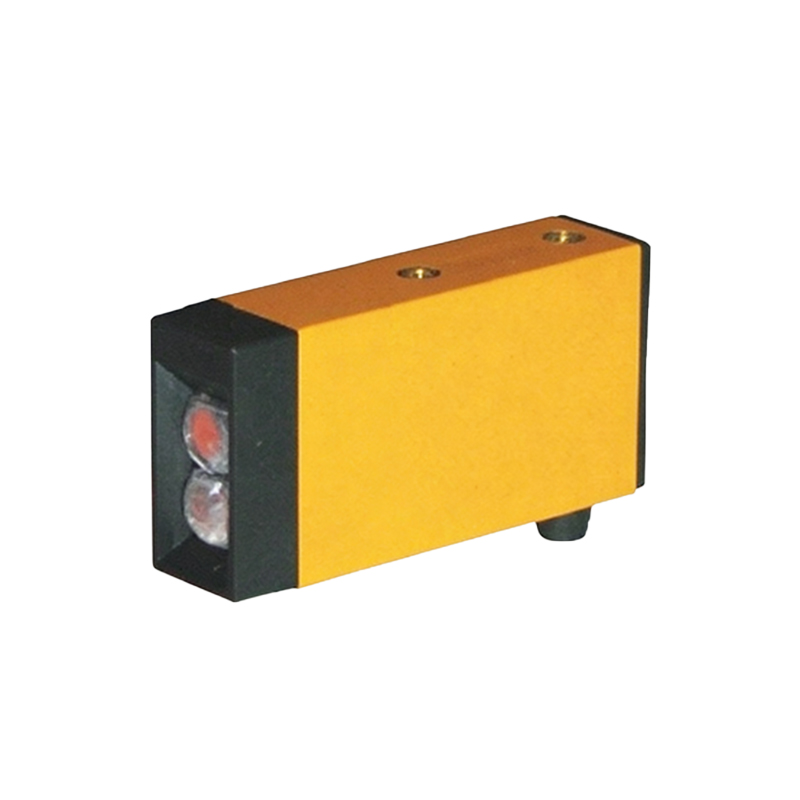
Fundamental Principles of Electrode-Based Monitoring
Electrode patches operate on the principle of electrocardiography (ECG or EKG). They are conductive sensors that detect the minute electrical potentials generated by the depolarization and repolarization of cardiac muscle tissue during each heartbeat. Typically constructed with a silver/silver-chloride (Ag/AgCl) interface and a conductive hydrogel, these patches form a stable electrochemical connection with the skin. The resulting differential voltage signal between two electrodes, typically in the range of 0.5 to 5 mV, is captured. This analog signal is highly susceptible to noise, including 50/60 Hz power line interference, electromyographic (EMG) noise from muscles, and motion artifacts. Therefore, the front-end analog circuitry is paramount. It involves high-input-impedance instrumentation amplifiers, right-leg drive circuits for common-mode rejection, and sophisticated band-pass filtering (e.g., 0.05 Hz to 150 Hz) to isolate the QRS complex, from which the R-R interval and thus heart rate are derived with high temporal precision.
Core Operation of Photoelectric Heart Rate Sensors
Photoelectric heart rate sensors, the foundation of PPG, operate on an entirely different principle: optical absorption. A light-emitting diode (LED), usually emitting green light (around 530nm) for optimal absorption by hemoglobin, illuminates the skin tissue, often at the wrist or fingertip. A photodetector, such as a photodiode or phototransistor, measures the intensity of light that is either transmitted through or reflected back from the tissue. With each cardiac pulse, blood volume in the arterioles changes slightly, modulating the light absorption characteristics. This results in a small AC component superimposed on a large DC baseline in the photodetector's current output. Transimpedance amplifiers convert this current to a voltage, which is then heavily processed. The signal is notoriously prone to ambient light interference and, more critically, motion artifacts, which can be orders of magnitude larger than the pulsatile component, necessitating advanced digital signal processing algorithms.
Signal Fidelity and Noise Considerations
From a signal integrity standpoint, electrode patches provide a direct electrical measurement of the heart's activity, offering a waveform (the ECG) with clearly defined features (P wave, QRS complex, T wave). This allows for not just heart rate but also arrhythmia detection. However, the signal requires excellent skin contact and is degraded by poor electrode-skin impedance, drying gel, and body movement. Photoelectric sensors offer a convenient, non-contact measurement of blood volume pulse, but the PPG waveform is an indirect surrogate. Its fidelity is heavily dependent on sensor placement, skin perfusion, and tissue properties. Noise mitigation for electrodes focuses on analog filtering and shielding, while PPG systems rely heavily on adaptive digital filters, accelerometer data for motion compensation, and machine learning techniques to extract a clean signal in dynamic conditions.
Power Consumption and System Integration
Power budget is a critical design constraint, especially for wearable, battery-operated devices. Traditional wet electrode systems, when properly designed with low-power instrumentation amplifiers and microcontrollers, can be relatively efficient. However, they often require occasional calibration and have consumable components (the hydrogel). Photoelectric sensor modules continuously drive an LED at high current to penetrate skin tissue, which constitutes the dominant power drain in the system. Engineering trade-offs involve modulating LED duty cycle, using efficient driver circuits, and implementing sophisticated power-gating strategies. Integration complexity also differs; electrode systems require multiple physical contact points and careful analog design, while PPG modules are often available as highly integrated system-on-chips (SoCs) that combine LEDs, photodiodes, analog front-ends, and digital processors, simplifying hardware design but placing a greater burden on software algorithm development.
Application-Specific Engineering Trade-offs
The selection between these technologies is ultimately dictated by the application's requirements. For clinical-grade, diagnostic monitoring where waveform morphology is critical—such as in Holter monitors, stress tests, or hospital settings—electrode patches remain the gold standard due to their direct measurement and high accuracy. In contrast, for consumer fitness tracking, continuous wellness monitoring, and IoT health devices, photoelectric sensors are preferred. Their key advantages are form factor (enabling wrist-worn devices), user comfort (no gels or adhesives), and ease of use. Engineers must balance factors like target accuracy (±1 BPM vs. ±5 BPM), required form factor, battery life, unit cost, and the intended use environment (controlled vs. ambulatory) when making this fundamental architectural decision.
Future Trends and Hybrid Approaches
The frontier of heart rate monitoring technology is moving towards hybrid and multimodal systems. Advanced wearable devices are beginning to incorporate both electrode and optical sensors to fuse data, leveraging the strengths of each to compensate for the other's weaknesses. For instance, a chest strap might use electrodes for primary rate detection but include an optical sensor for additional metrics. Furthermore, research in bioimpedance, ultrasonic sensors, and camera-based PPG offers new transduction mechanisms. From an engineering perspective, the future lies in smarter sensor fusion algorithms, ultra-low-power application-specific integrated circuits (ASICs), and the integration of these biosensors into broader connected health ecosystems, pushing the boundaries of remote patient monitoring and personalized healthcare analytics.