Introduction to the ALS200D Proximity Sensor
The ALS200D represents a significant advancement in inductive proximity sensing technology, designed specifically for demanding industrial environments. This robust sensor is engineered to detect the presence or absence of metallic objects without any physical contact, ensuring high reliability and longevity in automation systems. Its core principle relies on generating an electromagnetic field from its sensing face. When a metallic target enters this field, it induces eddy currents, causing a change in the oscillation amplitude within the sensor's internal circuit. The ALS200D's sophisticated electronics detect this change and trigger a solid-state output signal. This non-contact operation eliminates mechanical wear and tear, making it ideal for high-cycle applications where traditional mechanical switches would fail prematurely. The sensor's compact cylindrical housing, typically constructed from nickel-plated brass or stainless steel, provides excellent resistance to mechanical impacts, vibrations, and harsh industrial contaminants like coolants and metal shavings.
Key Technical Specifications and Performance
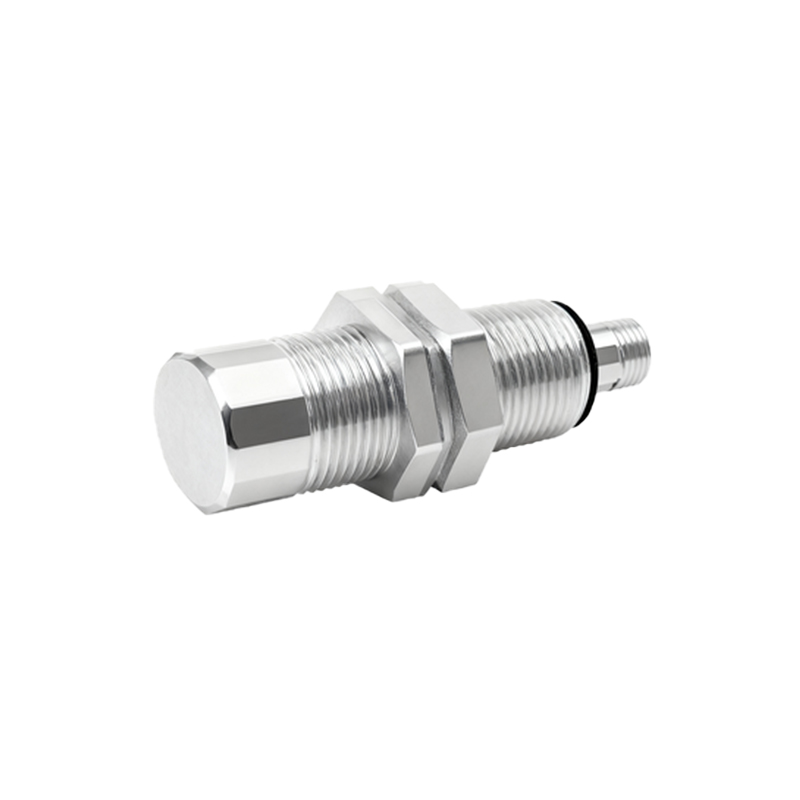
The performance of the ALS200D is defined by a set of precise technical specifications that dictate its suitability for various tasks. A critical parameter is its sensing range, which is typically rated for ferrous metals like mild steel. For non-ferrous metals such as aluminum or copper, the effective sensing distance is reduced, a factor that must be carefully considered during system design. The ALS200D operates on a standard DC voltage supply, commonly 10-30V DC, and provides either a PNP (sourcing) or NPN (sinking) output configuration to interface seamlessly with Programmable Logic Controllers (PLCs) and other control systems. Its switching frequency, measured in Hertz (Hz), determines how quickly it can detect objects passing by, a vital feature for high-speed counting or sorting applications. Furthermore, the sensor boasts a high degree of environmental protection, usually rated at IP67, meaning it is dust-tight and can withstand temporary immersion in water, ensuring dependable operation in washdown areas or outdoor settings.
Installation and Wiring Best Practices
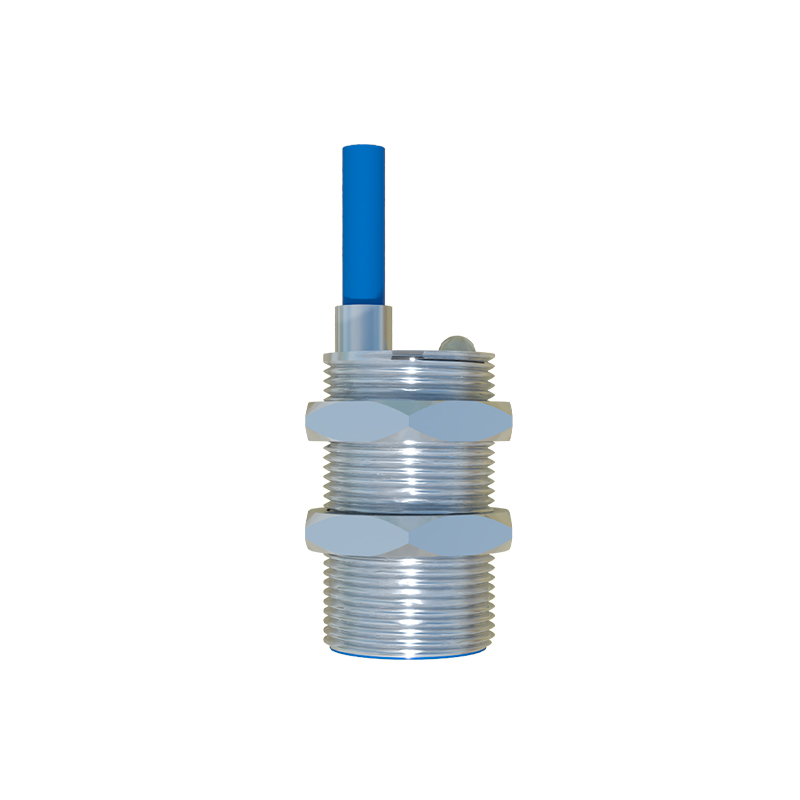
Correct installation is paramount to unlocking the full potential and ensuring the long-term reliability of the ALS200D proximity sensor. Mounting requires careful attention to the sensor's flush or non-flush mounting capabilities. Flush-mountable sensors can be installed embedded in metal without a loss of sensing range, whereas non-flush models require a clearance zone around the sensing face. Ensuring proper alignment between the sensor's face and the target object is crucial for consistent detection. Wiring must adhere to the manufacturer's diagram, correctly connecting the brown wire (typically +V), blue wire (0V or common), and black wire (output signal). It is essential to use shielded cables in electrically noisy environments to prevent electromagnetic interference (EMI) from causing false triggers. Additionally, maintaining an adequate distance from other sensors or large metal structures prevents mutual interference, a phenomenon known as "crosstalk," which can degrade performance.
Application Scenarios in Modern Automation
The versatility of the ALS200D makes it a cornerstone component across numerous industrial sectors. In automotive manufacturing, these sensors are ubiquitously deployed on assembly lines for precise part presence verification, such as confirming an engine block is in position for machining or checking if a door panel is seated correctly. Within packaging machinery, they perform critical object counting and bottle cap detection tasks, ensuring packaging integrity and production line efficiency. Material handling systems rely on ALS200D sensors for precise positioning control of pallets on conveyors and for detecting the end-of-travel limits on automated guided vehicles (AGVs). In metalworking and CNC machining centers, they serve as tool breakage detectors and workpiece position confirmers, preventing costly machine crashes and ensuring machining accuracy. Their robustness also makes them suitable for harsh environments like foundries or forestry equipment.
Troubleshooting Common Operational Issues
Even with a reliable component like the ALS200D, occasional operational issues may arise. A frequent problem is the failure to detect a target. This can stem from an incorrect sensing distance, use of an unsuitable target material (e.g., trying to detect aluminum at the rated steel distance), misalignment, or a buildup of debris on the sensing face. Intermittent operation or false signals often point to electrical issues, such as voltage supply fluctuations, inadequate wiring connections, or severe electromagnetic interference from nearby motors or frequency drives. If the sensor's LED indicator behaves erratically or remains off when power is applied, checking the supply polarity and voltage level is the first step. A systematic approach—verifying power, checking the target and distance, inspecting for physical damage, and measuring the output signal with a multimeter—is the most effective method for isolating and resolving faults.
Advantages Over Alternative Sensing Technologies
The ALS200D inductive