In the world of industrial automation and machinery, the ability to detect the presence or absence of an object without physical contact is fundamental. Among the various technologies enabling this, mechanical proximity sensors stand out for their simplicity, reliability, and cost-effectiveness. Unlike their electronic counterparts such as inductive, capacitive, or photoelectric sensors, mechanical sensors operate through direct physical contact or a mechanical actuation mechanism. This article delves into the working principles, common types, key applications, and critical factors for selecting the right mechanical proximity sensor for your needs.
At its core, a mechanical proximity sensor is a switch that is activated by the physical touch or pressure of an object. The basic principle involves a mechanically actuated element, such as a plunger, lever, or roller, which moves when it comes into contact with a target. This movement internally opens or closes an electrical circuit, sending a signal to a control system like a PLC (Programmable Logic Controller). This straightforward action makes them exceptionally robust and easy to understand, troubleshoot, and install. They are often considered the "workhorses" of simple position detection.
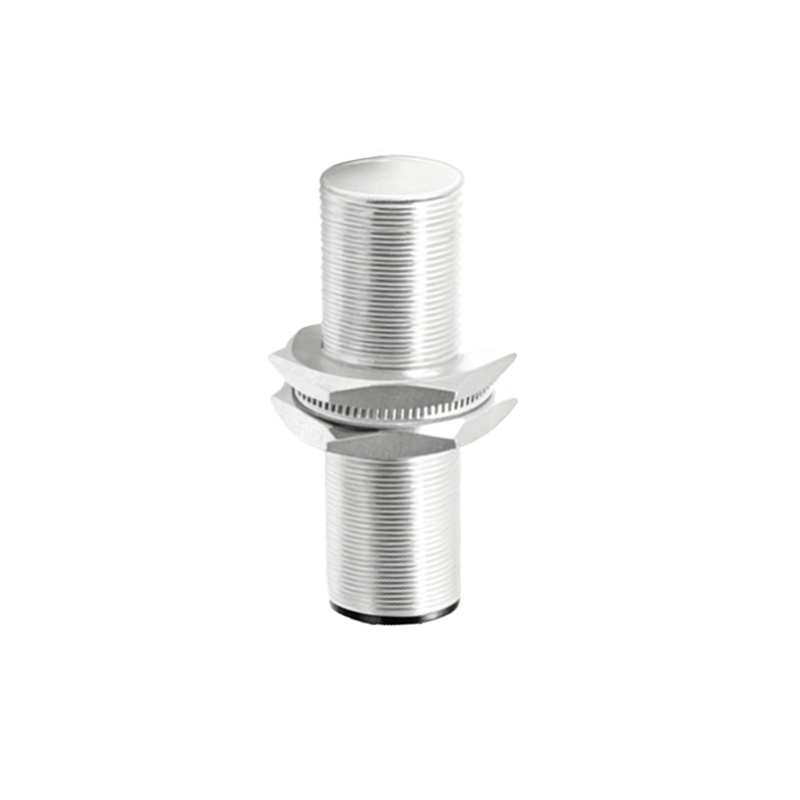
Several types of mechanical proximity sensors are prevalent across industries. The most common is the Limit Switch. Housed in a durable metal or plastic casing, it features an actuator arm (with shapes like lever, roller lever, or plunger) connected to internal contacts. When the arm is depressed or moved, the contacts change state. Another type is the Touch Sensor or Tactile Bump Switch, often used in robotics and safety applications, which activates upon gentle contact. Foot Switches and Pneumatic Valves with mechanical actuation also fall under this broad category. Their design prioritizes durability to withstand high cycles, impacts, and harsh environmental conditions like dust, moisture, and temperature extremes.
The applications for mechanical proximity sensors are vast and varied. They are extensively used for end-of-travel detection in linear actuators, conveyor systems, and machine tools, ensuring components do not move beyond their safe operational limits. In material handling, they detect the position of packages, pallets, or doors. Safety is another critical domain; these sensors are integral to interlock switches on safety guards and access doors, ensuring machinery only operates when guards are securely closed. Furthermore, they serve as basic presence sensors in assembly lines, packaging machinery, and automotive manufacturing for part verification and sequencing.
Choosing the correct mechanical proximity sensor requires careful consideration of several parameters. First, define the type of actuator: a roller lever is suitable for detecting moving objects from the side, a plunger is ideal for direct linear actuation, and a flexible whisker can detect from any direction. The electrical rating (voltage, current, AC/DC) must match the control circuit. Contact configuration is crucial: Normally Open (NO) contacts close on actuation, while Normally Closed (NC) contacts open. Many switches offer a combination (SPDT). Mechanical life expectancy, often rated in millions of cycles, should align with the application's demand. Environmental protection, indicated by an IP (Ingress Protection) rating, is vital for operation in wet, oily, or dusty areas. Finally, consider the housing material (e.g., metal for ruggedness, plastic for corrosive environments) and the required mounting style.
While electronic non-contact sensors offer advantages like faster response and no moving parts, mechanical sensors retain a strong position in the market. Their key benefits include inherent resistance to electrical noise, insensitivity to target material (color, transparency, metal/non-metal), and a clear physical indication of actuation. They are often the most economical solution for straightforward position-limiting tasks. However, their limitations include mechanical wear over time, potential for contact bounce, and a slower response speed compared to solid-state sensors.
In conclusion, mechanical proximity sensors remain an indispensable component in automation. Their durability, straightforward operation, and cost-efficiency make them a preferred choice for countless basic detection and safety interlock applications. By understanding their types, working principles, and selection criteria, engineers and technicians can effectively integrate these reliable devices to enhance machine functionality, safety, and operational consistency. As technology evolves, they continue to coexist with advanced sensors, each serving distinct roles in the complex ecosystem of industrial control.