Introduction to Dual-Beam Photoelectric Sensors
In the realm of industrial automation and precision control, photoelectric sensors are indispensable components. Among the various types available, the dual-beam photoelectric sensor stands out for its enhanced reliability and accuracy in challenging detection scenarios. Unlike conventional single-beam sensors, this device utilizes two distinct light beams to perform its sensing function. This fundamental design difference provides significant advantages in applications where environmental factors like dust, fog, or target surface variations could compromise a single-beam system's performance. The core principle involves the emission of two beams, typically from a single housing, which work in tandem to confirm the presence or absence of an object with a high degree of certainty.
Working Principle and Core Technology
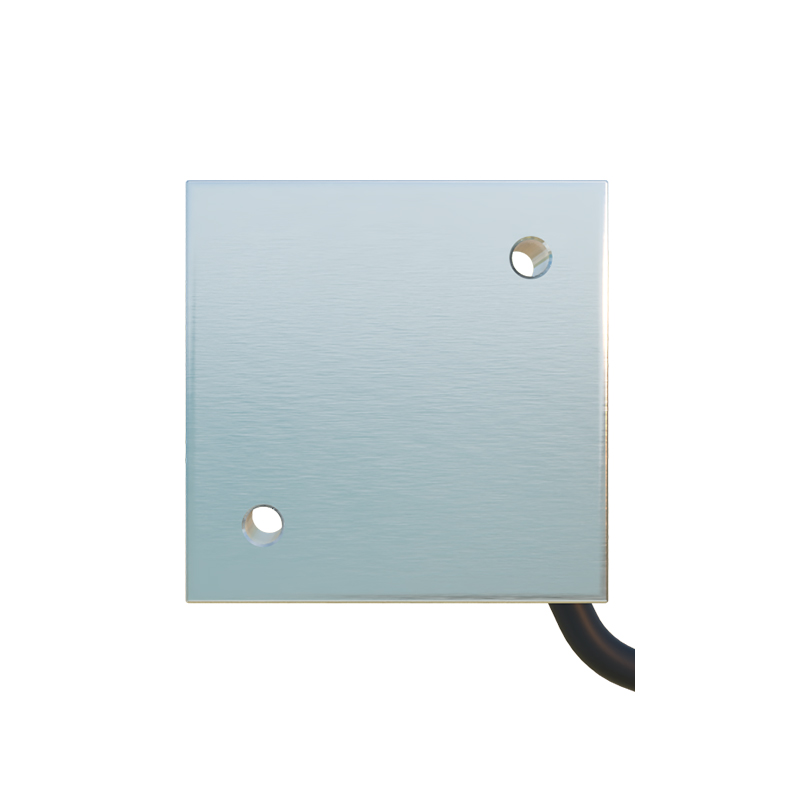
The operational principle of a dual-beam photoelectric sensor is elegantly sophisticated. It houses both a transmitter and a receiver. The transmitter emits two parallel or slightly convergent beams of light, often infrared or laser, towards the target area. The receiver is designed to detect the status of both beams simultaneously. In a common configuration, the sensor logic is programmed to trigger an output signal only when both beams are interrupted or when a specific differential between the two beams is detected. This dual-check mechanism effectively filters out false triggers caused by small airborne particles, minor vibrations, or inconsistent surface reflectivity that might block only one beam. Advanced models incorporate microprocessors to analyze the intensity and timing of the received light, further refining detection accuracy.
Key Advantages Over Single-Beam Sensors
The primary benefit of dual-beam technology is its dramatically improved immunity to nuisance interruptions. In dirty or humid environments where condensation or dust is prevalent, a single beam might be intermittently blocked, causing erroneous signals. A dual-beam sensor requires both beams to be affected, which is statistically far less likely from environmental noise alone. This leads to higher operational stability and reduced downtime. Furthermore, these sensors excel in detecting objects with irregular surfaces or varying colors. A glossy or angled surface might reflect a single beam away from the receiver, causing a miss. The dual-beam approach increases the probability that at least one beam will be reflected or interrupted correctly, ensuring consistent detection.
Common Industrial Applications
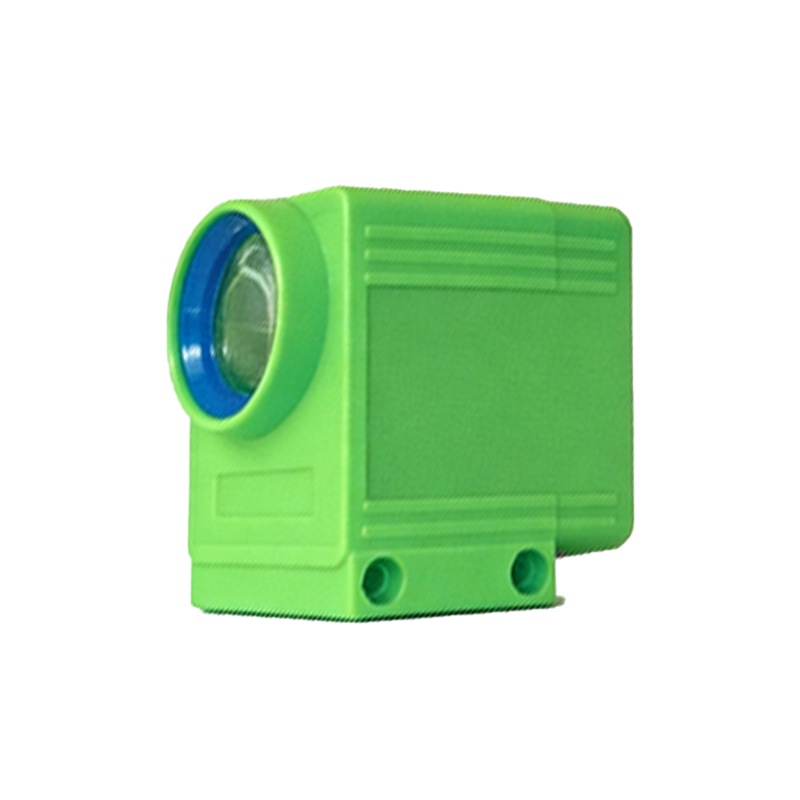
Dual-beam photoelectric sensors find critical roles across numerous industries. In material handling and packaging, they are used for precise edge detection of boxes, bottles, or sheets on high-speed conveyor lines, ensuring proper alignment and counting. Within the automotive manufacturing sector, they verify the presence of components in assembly jigs or check for correct door and panel gaps with high precision. In the wood and metal processing industries, they serve as safety curtains or as part of dimensional verification systems for lumber or metal sheets. Another vital application is in security systems, where they form invisible barriers for intrusion detection, their dual-beam nature making them resistant to false alarms from insects or debris.
Critical Selection Criteria
Choosing the right dual-beam photoelectric sensor requires careful consideration of several technical parameters. The sensing range is paramount; it must suit the specific application distance. Beam separation, the distance between the two projected light beams, is a unique specification that determines the minimum object size the sensor can reliably detect. Response time must be fast enough for the application's speed, often measured in milliseconds. The type of light source (infrared, red LED, or laser) influences range, visibility for alignment, and suitability for certain material types. Environmental ratings for Ingress Protection (IP) and temperature tolerance are crucial for harsh factory conditions. Finally, the output type (PNP/NPN, analog, or IO-Link) must be compatible with the existing control system.
Installation and Alignment Best Practices
Proper installation is key to realizing the full potential of a dual-beam sensor. Mounting must be rigid and vibration-free to prevent misalignment over time. During alignment, most sensors provide visual or auditory indicators to assist in precisely directing both beams at the target or reflector. It is essential to follow the manufacturer's guidelines for the alignment procedure, which often involves a sequential or simultaneous adjustment of both beams. The sensing path should be kept clear of potential obstructions that could permanently block one beam, such as accumulating dirt or new equipment. Regular maintenance, including lens cleaning and functional verification, is recommended to sustain long-term reliability.
Future Trends and Developments
The evolution of dual-beam photoelectric sensors is closely tied to advancements in industrial IoT and smart manufacturing. Future sensors are expected to feature enhanced connectivity through protocols like IO-Link, providing not just a binary signal but also diagnostic data such as beam intensity, lens contamination warnings, and operating temperature. Miniaturization will allow their integration into tighter spaces. Furthermore, the integration of background suppression technology with dual-beam principles is an area of development, aiming to create sensors that are immune to both environmental interference and complex background reflections. These innovations will continue to expand their applicability in more demanding and precise automation tasks.