Introduction to Proximity Sensors
Proximity sensors are non-contact electronic devices designed to detect the presence or absence of objects within a specified range without physical contact. Utilizing various technologies such as inductive, capacitive, ultrasonic, and photoelectric principles, these sensors convert object detection into electrical signals. Their ability to operate reliably in harsh environments—including exposure to dust, moisture, and extreme temperatures—makes them indispensable in modern industrial automation. By eliminating mechanical wear and enabling high-speed detection, proximity sensors enhance efficiency, safety, and precision across numerous applications. This article explores the diverse fields where proximity sensors play a critical role, highlighting their transformative impact on technology and industry.
Industrial Automation and Manufacturing
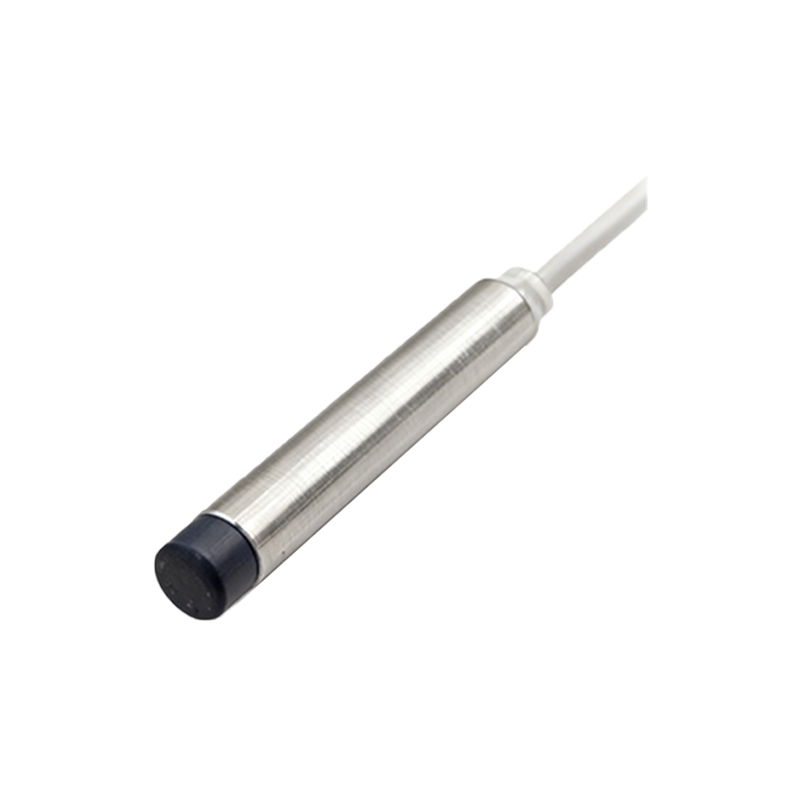
In industrial automation, proximity sensors are fundamental components for streamlining production processes. They are extensively used for object detection on assembly lines, ensuring precise positioning of parts during robotic welding, painting, or material handling. For instance, inductive sensors detect metallic components in machinery, triggering actions like counting, sorting, or quality control checks. Capacitive sensors identify non-metallic materials such as plastics, wood, or liquids, facilitating tasks like fill-level monitoring in containers. These sensors contribute to reduced downtime, minimized human intervention, and improved product consistency, forming the backbone of smart factories and Industry 4.0 initiatives.
Automotive Industry Applications
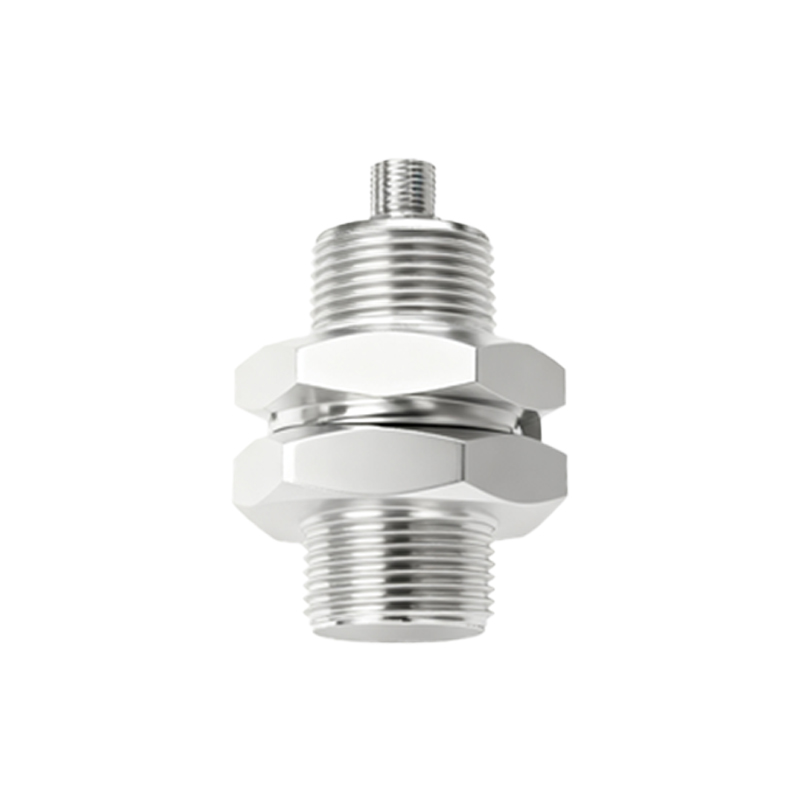
The automotive sector relies heavily on proximity sensors for both manufacturing and vehicle functionality. During production, sensors assist in robotic assembly, part inspection, and inventory management. In modern vehicles, they enable advanced driver-assistance systems (ADAS), such as parking assistance, collision avoidance, and blind-spot detection. Ultrasonic sensors, for example, measure distances to obstacles, providing audible alerts to prevent accidents. Additionally, inductive sensors monitor wheel speed for anti-lock braking systems (ABS), enhancing safety. As electric and autonomous vehicles evolve, proximity sensors will continue to be integral to innovation, supporting features like automatic door opening and battery management.
Consumer Electronics and Home Appliances
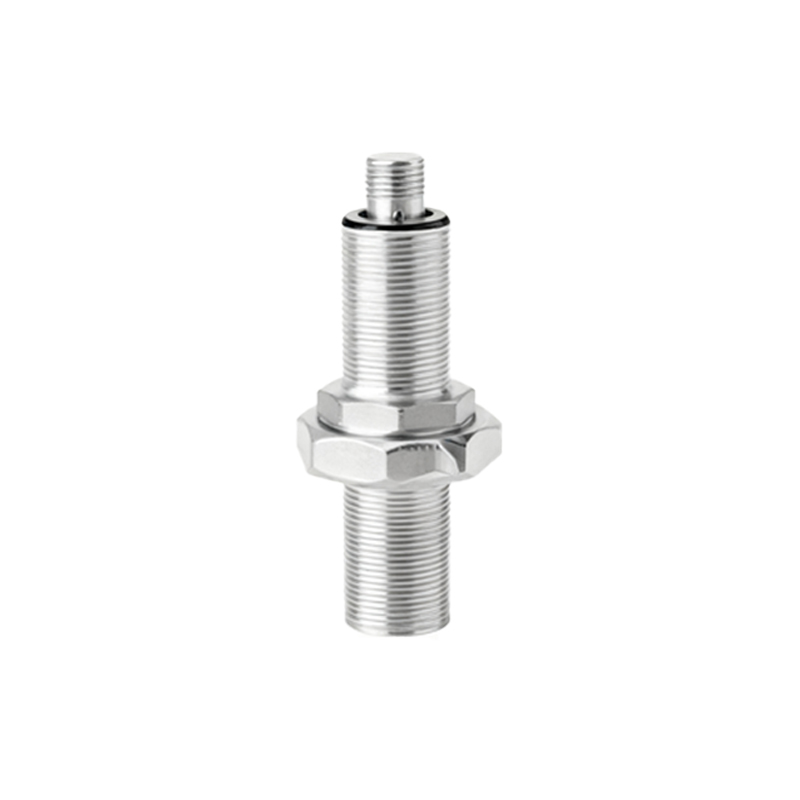
Proximity sensors enhance user experience and energy efficiency in consumer electronics. In smartphones and tablets, they detect when a device is held near the ear during calls, automatically turning off the display to save power and prevent accidental touches. Similarly, automatic faucets and soap dispensers in public restrooms use infrared sensors for touch-free operation, promoting hygiene. Home appliances like refrigerators, washing machines, and robotic vacuums incorporate sensors for functions such as door position detection, load sensing, and obstacle avoidance. These applications demonstrate how proximity technology adds convenience, safety, and sustainability to everyday life.
Healthcare and Medical Devices
In healthcare, proximity sensors contribute to precision and reliability in medical equipment. They are used in diagnostic devices, patient monitoring systems, and surgical instruments. For instance, sensors ensure proper alignment in imaging machines like MRI scanners, while capacitive sensors detect fluid levels in infusion pumps to administer accurate dosages. Non-contact temperature monitors and hand-sanitizer dispensers also utilize proximity sensing to minimize contamination risks. By enabling automated, sterile processes, these sensors support improved patient outcomes and operational efficiency in hospitals and clinics.
Aerospace and Defense Systems
The aerospace and defense industries employ proximity sensors for critical safety and operational functions. In aircraft, sensors monitor landing gear position, detect door closures, and assist in navigation systems. Military applications include unmanned aerial vehicles (UAVs) for terrain sensing, missile guidance, and surveillance equipment. High-durability sensors withstand extreme conditions like vibration, pressure changes, and electromagnetic interference, ensuring reliability in mission-critical scenarios. Their role in automation and real-time data collection enhances performance and security in these high-stakes fields.
Agriculture and Food Processing
Proximity sensors optimize efficiency in agriculture and food processing by automating tasks and ensuring quality control. In farming, they are integrated into machinery for seed planting, irrigation control, and crop monitoring, using ultrasonic or photoelectric sensors to measure distances and detect obstacles. Food processing plants utilize sensors to inspect packaging, sort products, and monitor conveyor belts for contamination or jams. By reducing waste and increasing throughput, these applications support sustainable practices and meet stringent safety standards in the food supply chain.
Future Trends and Innovations
The future of proximity sensors is shaped by advancements in IoT connectivity, miniaturization, and artificial intelligence. Smart sensors with embedded intelligence can analyze data locally, enabling predictive maintenance and adaptive control in industrial networks. Emerging applications include wearable technology for health tracking, smart cities for traffic management, and renewable energy systems for equipment monitoring. As sensor technology becomes more affordable and versatile, its integration across sectors will drive further automation, energy savings, and safety enhancements, solidifying its role in the digital transformation