Introduction to Proximity Sensors
Proximity sensors are indispensable components in modern industrial automation, designed to detect the presence or absence of an object without physical contact. These devices operate by emitting an electromagnetic field or a beam of electromagnetic radiation, and then monitoring for changes in the field or return signal. The primary advantage of non-contact detection is the elimination of mechanical wear and tear, leading to enhanced reliability and longevity in demanding environments. Common types include inductive, capacitive, ultrasonic, and photoelectric sensors, each suited to specific materials and applications. Their role extends from simple object detection on conveyor belts to complex positioning tasks in robotic assembly lines, forming the foundational layer of data acquisition for control systems.
Key Operating Principles and Technologies
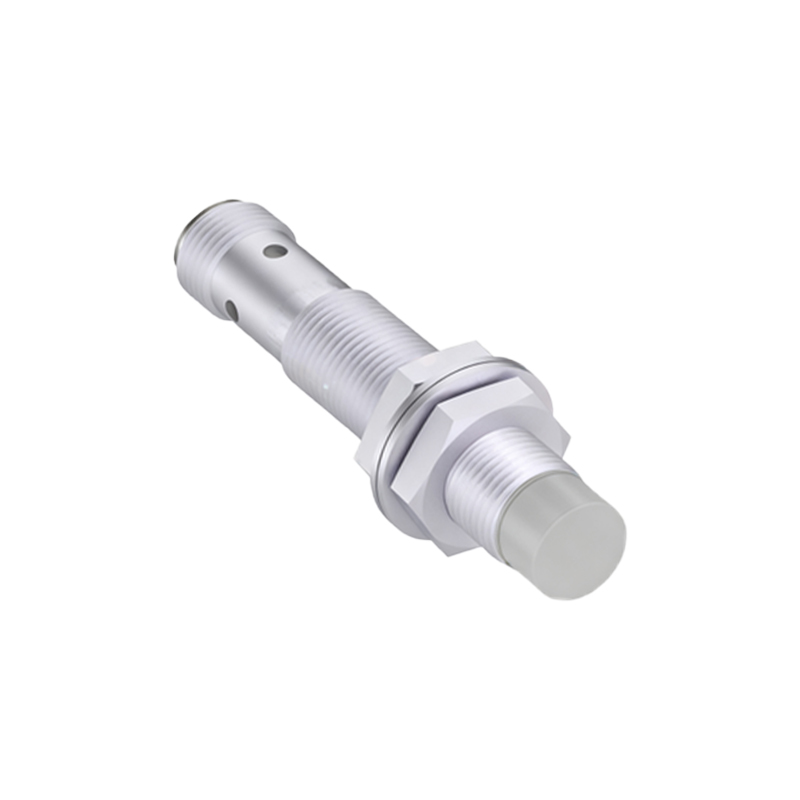
Understanding the core technology behind each sensor type is crucial for proper selection. Inductive proximity sensors generate an oscillating electromagnetic field to detect metallic objects. When a metal target enters this field, it induces eddy currents, causing a change in oscillation amplitude that triggers the sensor's output. Capacitive sensors, conversely, can detect both metallic and non-metallic materials by measuring changes in capacitance between the sensor and the target. Ultrasonic sensors use sound waves beyond human hearing, calculating distance based on the time-of-flight of the reflected echo. Photoelectric sensors employ a light emitter and receiver, detecting objects through beam interruption, reflection, or retro-reflection. Each technology offers distinct sensing ranges, response times, and environmental tolerances.
Critical Selection Criteria for Engineers
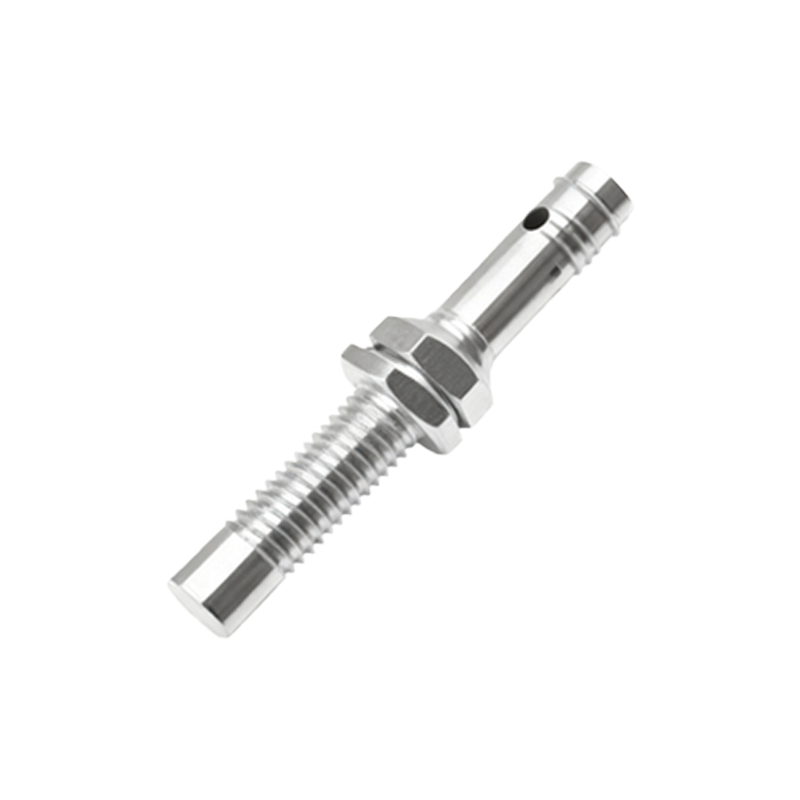
Selecting the optimal proximity sensor requires a systematic evaluation of several parameters. First, the sensing distance, or nominal range, must be specified, considering both the target material and required installation clearance. The sensor's housing material and ingress protection (IP) rating are vital for durability in harsh conditions involving dust, moisture, or chemical exposure. Electrical characteristics, such as output type (PNP/NPN, analog, IO-Link), supply voltage, and current capacity, must align with the control system's specifications. Environmental factors like temperature extremes, electrical noise, and potential mechanical shock also influence the decision. Engineers must balance performance needs with cost constraints, often opting for sensors with built-in diagnostics or adjustable sensing parameters for flexible integration.
Industrial Applications and Use Cases
The versatility of proximity sensors is demonstrated across diverse sectors. In automotive manufacturing, inductive sensors precisely count gear teeth or verify the position of engine components. Capacitive sensors in packaging lines detect liquid levels in non-metallic containers or monitor the presence of plastic caps. Ultrasonic sensors are pivotal in material handling for palletizing and warehouse automation, providing accurate distance measurement for stack height control. Photoelectric sensors ensure product alignment on high-speed bottling lines. Furthermore, the rise of Industry 4.0 has integrated smart sensors with network connectivity, enabling predictive maintenance and real-time process optimization by feeding data directly into supervisory control systems.
Installation, Calibration, and Maintenance Best Practices
Correct installation is paramount for reliable operation. Sensors should be mounted securely to minimize vibration, with careful attention to the recommended sensing axis and avoidance of mutual interference when multiple units are placed in close proximity. For inductive sensors, ensuring the target material and size meet the sensor's specifications is essential. Calibration, particularly for analog or measuring sensors, may be required to set the threshold or scaling for the specific application. Routine maintenance involves periodic cleaning of the sensing face to remove contaminants like oil or metal chips, checking electrical connections for corrosion, and verifying performance through diagnostic indicators. Adhering to manufacturer guidelines extends service life and prevents unplanned downtime.
Future Trends and Technological Advancements
The evolution of proximity sensing technology continues to address emerging industrial challenges. Miniaturization allows sensors to fit into increasingly compact machinery, while enhanced intelligence through integrated microprocessors enables features like temperature compensation and advanced diagnostics. The integration of IO-Link communication provides detailed parameterization and condition monitoring data, facilitating seamless integration into digital twin models. Furthermore, developments in materials science are yielding sensors with higher temperature ratings and improved resistance to aggressive chemicals. As collaborative robots (cobots) and flexible production lines become more prevalent, sensors with higher precision, faster response, and easier configurability will be in greater demand, solidifying their role as critical enablers of smart manufacturing.