Introduction to U-Shaped Photoelectric Sensors
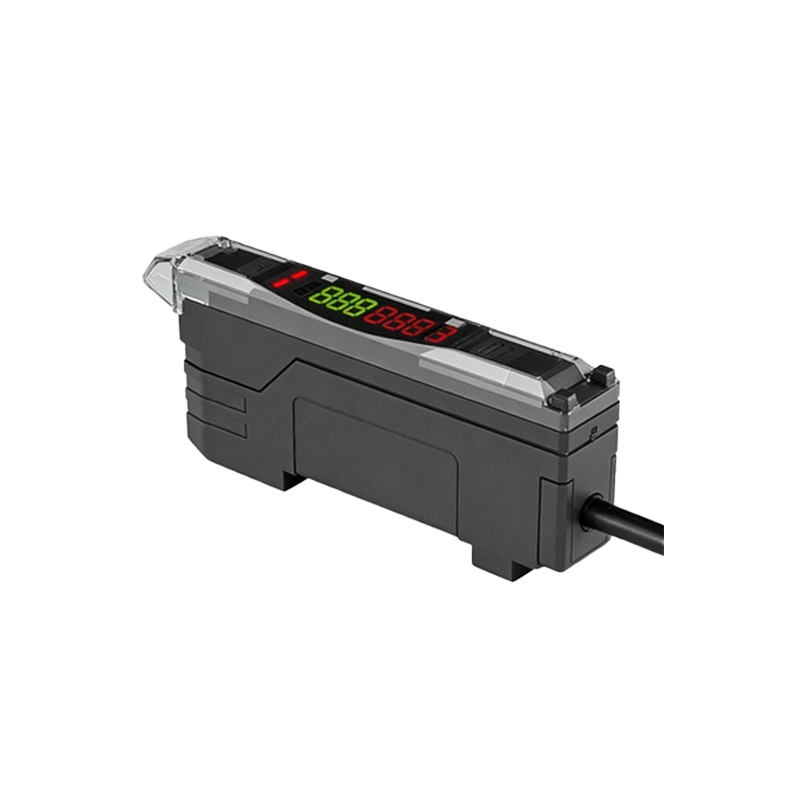
U-shaped photoelectric sensors, also known as through-beam sensors, consist of two separate units: an emitter and a receiver. These units are positioned opposite each other within a U-shaped housing, creating a precise detection zone. The emitter projects a continuous or modulated light beam—typically infrared, visible red, or laser—across the gap to the receiver. When an object passes through this gap, it interrupts the light beam, triggering an output signal. This fundamental operating principle makes them exceptionally reliable for detecting the presence, absence, or position of objects in countless automation and industrial applications. Their design is inherently robust, offering a consistent and accurate sensing solution in environments where other sensor types might struggle.
Key Advantages of U-Shaped Sensors
The primary advantage of U-shaped photoelectric sensors is their high reliability and detection accuracy. Because the emitter and receiver are perfectly aligned during installation, the sensor provides a very stable and consistent detection beam. This results in a long sensing distance relative to their size and exceptional precision, even for small or fast-moving objects. They are largely immune to the color, reflectivity, or surface finish of the target object; as long as the object is opaque enough to interrupt the beam, it will be detected. This makes them ideal for applications involving varied products on a single line. Furthermore, they offer excellent response speeds, capable of detecting objects at very high frequencies, which is crucial in high-speed packaging, sorting, and assembly machinery.
Environmental Robustness and Performance
Another significant benefit is their resilience in challenging industrial environments. The U-shaped housing often provides a degree of protection for the optical components against dust, dirt, and minor physical impacts. Many models come with ingress protection (IP) ratings, making them suitable for washdown areas or outdoor use. They are generally less susceptible to interference from ambient light compared to some reflective sensor types, as the receiver is tuned specifically to the emitter's wavelength. This stability ensures minimal false triggering and reduces maintenance requirements, leading to higher overall equipment effectiveness (OEE) and lower lifetime cost in demanding settings like material handling, automotive manufacturing, and food processing.
Inherent Limitations and Disadvantages
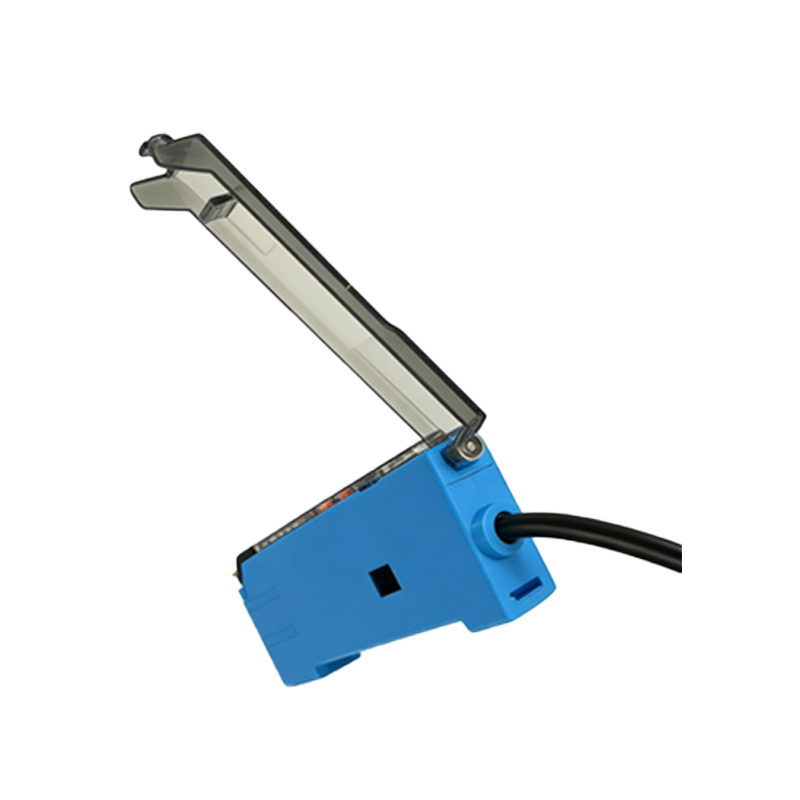
Despite their strengths, U-shaped photoelectric sensors have several inherent drawbacks. The most prominent is the requirement for mounting two separate components on opposite sides of the detection point. This necessitates sufficient space on both sides of the conveyor or machine, which can be a constraint in compact machinery layouts. Installation and alignment, while straightforward initially, can be more time-consuming than mounting a single sensor unit. If the machinery is subject to vibration or thermal expansion, the precise alignment between the emitter and receiver can be compromised over time, leading to detection failures and requiring realignment—a potential source of downtime.
Application Constraints and Considerations
The physical U-shaped structure itself can be a limitation. The size of the object being detected must be smaller than the sensor's aperture (the opening of the "U") to pass through it. This makes them unsuitable for detecting very large objects or for applications where the sensor cannot be positioned around the object's path. Additionally, they can only detect an object that fully or significantly interrupts the beam. Transparent or translucent objects, such as glass or clear plastic bottles, may not be reliably detected unless they are specifically designed to absorb or refract the sensor's particular light wavelength. In such cases, specialized sensors or alternative technologies like ultrasonic sensors may be required.
Comparison with Other Photoelectric Sensor Types
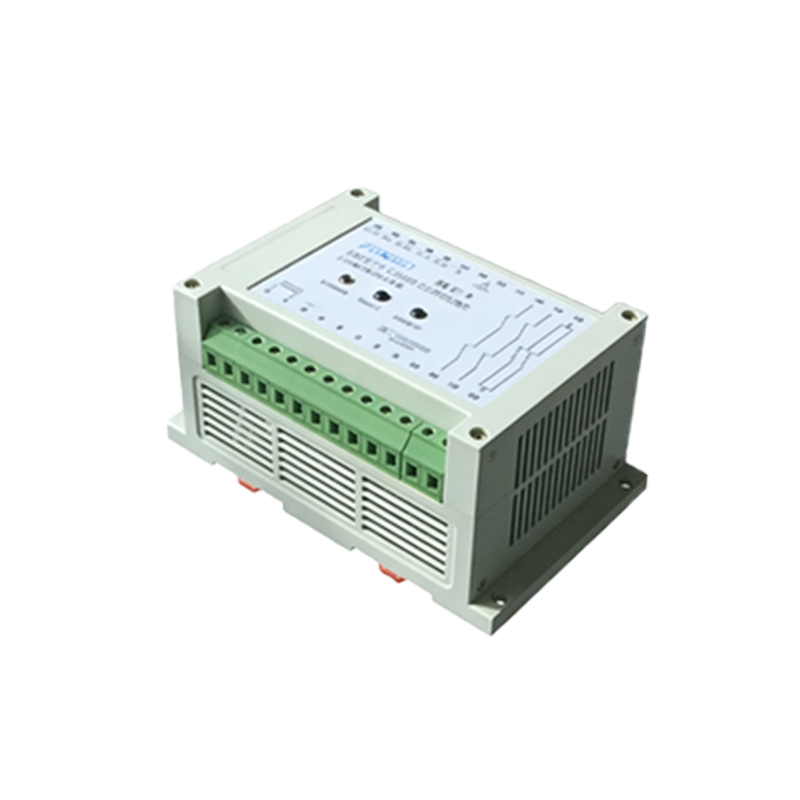
It is instructive to compare U-shaped sensors with their common alternatives: diffuse-reflective and retro-reflective sensors. Diffuse sensors house the emitter and receiver in a single unit, detecting light reflected directly off the target. They solve the two-sided mounting problem but are sensitive to the target's color and surface, with shorter and less consistent sensing ranges. Retro-reflective sensors use a reflector, requiring only one mounting point but can be fooled by shiny objects that reflect light like the reflector. The U-shaped type offers the longest, most stable range and highest accuracy but at the cost of more complex mounting. The choice depends entirely on the specific application's priorities regarding accuracy, space, target characteristics, and environment.
Conclusion and Selection Guidelines
In summary, U-shaped photoelectric sensors are a superior choice for applications demanding high precision, reliability, and speed, particularly where object characteristics vary. Their advantages in accuracy and environmental robustness are counterbalanced by their mounting requirements and physical size constraints. When selecting a sensor, engineers must carefully evaluate the mechanical layout, the nature of the objects to be detected, and the operational environment. For high-speed counting, precise positioning, or detection in dirty conditions, the U-shaped sensor often proves to be the most dependable solution. However, for space-limited applications or those involving transparent objects, other sensing principles may offer a more practical and effective alternative.