Understanding the Core Technology and Its Impact on Cost
High-temperature proximity sensors are specialized industrial components designed to detect the presence or absence of objects in extreme thermal environments, often exceeding 100°C and reaching up to 200°C or more. The pricing of these sensors is fundamentally tied to the core technology required to withstand such conditions. Standard inductive or capacitive sensors use materials and electronics that fail under sustained heat. In contrast, high-temperature variants incorporate specialized components: high-temperature rated coils wound with exotic wire, ceramic or PEEK housings instead of standard plastics, and thermally stable potting compounds to protect internal circuitry. The research, development, and sourcing of these ruggedized materials constitute a significant portion of the base cost. Sensors rated for higher maximum temperatures (e.g., 150°C vs. 250°C) will see a corresponding price increase due to the more advanced materials and engineering solutions needed.
Key Pricing Factors: Specifications and Performance
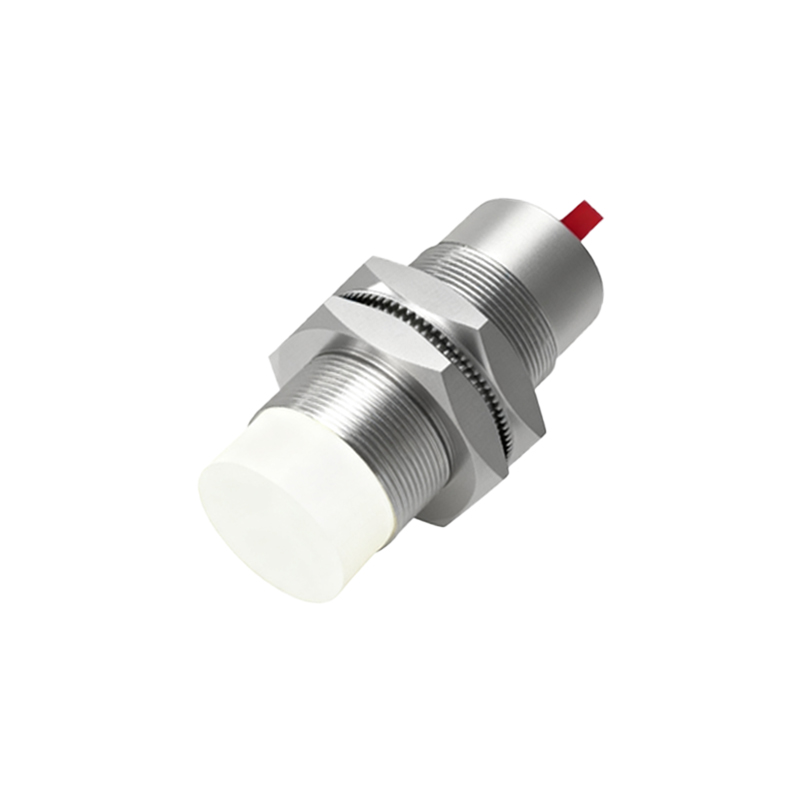
Beyond the basic temperature rating, several technical specifications directly influence the final price. The sensing range is a primary factor; a sensor with a 15mm range will typically cost less than one with a 40mm range, as achieving reliable, stable detection at greater distances in high-heat zones requires more precise calibration and robust components. The housing style also plays a role. Cylindrical stainless steel housings (e.g., M18, M30 threads) are common and offer a range of price points based on finish and sealing (IP67/IP69K). Flush-mount or non-flush-mount designs can affect price due to differences in internal coil configuration. Furthermore, output type (PNP/NPN, NO/NC, analog, or IO-Link) adds complexity. Analog and IO-Link enabled sensors, which provide continuous data or advanced diagnostics, command a premium over simple digital switches.
Brand Reputation, Certification, and Support Costs
The manufacturer's brand is a substantial pricing variable. Established global leaders in industrial automation invest heavily in rigorous testing, quality control, and extensive R&D. Their sensors often come with a proven track record of reliability in critical applications, reflected in a higher price point. This cost also encompasses global supply chain logistics and comprehensive technical support. Certifications are another critical cost driver. Sensors requiring ATEX, IECEx, or SIL certifications for use in hazardous or safety-critical environments undergo additional testing and documentation processes, significantly increasing their price. The assurance of compliance and safety, however, is non-negotiable in many oil & gas, chemical, or metal processing applications.
Purchase Volume and Supply Chain Considerations
Unit pricing is highly sensitive to order quantity. Purchasing a single sensor for a prototype or replacement will incur the highest per-unit cost, often through distributors. Volume procurement for OEM integration or large-scale plant upgrades allows for direct negotiation with manufacturers, leading to substantial discounts. The current state of the global supply chain also impacts price and lead time. Shortages of specific semiconductors, metals, or shipping constraints can cause price volatility and extended delivery schedules, especially for highly customized sensor variants. Long-term framework agreements can sometimes lock in prices and ensure supply stability.
Total Cost of Ownership: Beyond the Initial Purchase
A savvy industrial buyer evaluates the Total Cost of Ownership (TCO), not just the initial purchase order. A cheaper sensor that fails prematurely in a high-temperature furnace line can cause hours of unplanned downtime, lost production, and costly emergency replacements. A more expensive, higher-quality sensor from a reputable brand may have a longer mean time between failures (MTBF), reducing downtime and maintenance labor costs. Features like IO-Link can enable predictive maintenance, alerting personnel to performance degradation before failure occurs. Therefore, the most cost-effective choice is often the sensor that offers the best balance of reliability, features, and longevity for the specific application, minimizing lifetime operational expenses.