Introduction to Proximity Light Sensors
Proximity light sensors, often integrating photoelectric principles, are fundamental components in industrial automation and consumer electronics. These devices detect the presence, absence, or distance of an object without physical contact, primarily by emitting a beam of light—infrared, laser, or visible—and analyzing the reflected signal. The core principle relies on the interruption or reflection of this light beam. Their non-contact nature makes them exceptionally reliable for applications where contamination, wear, or mechanical damage are significant concerns. Unlike mechanical limit switches, they offer high-speed response and exceptional longevity, operating effectively in challenging environments with dust, moisture, or varying temperatures when properly housed. The evolution from basic on/off detection to sophisticated measuring sensors has cemented their role as indispensable tools for precision, safety, and efficiency.
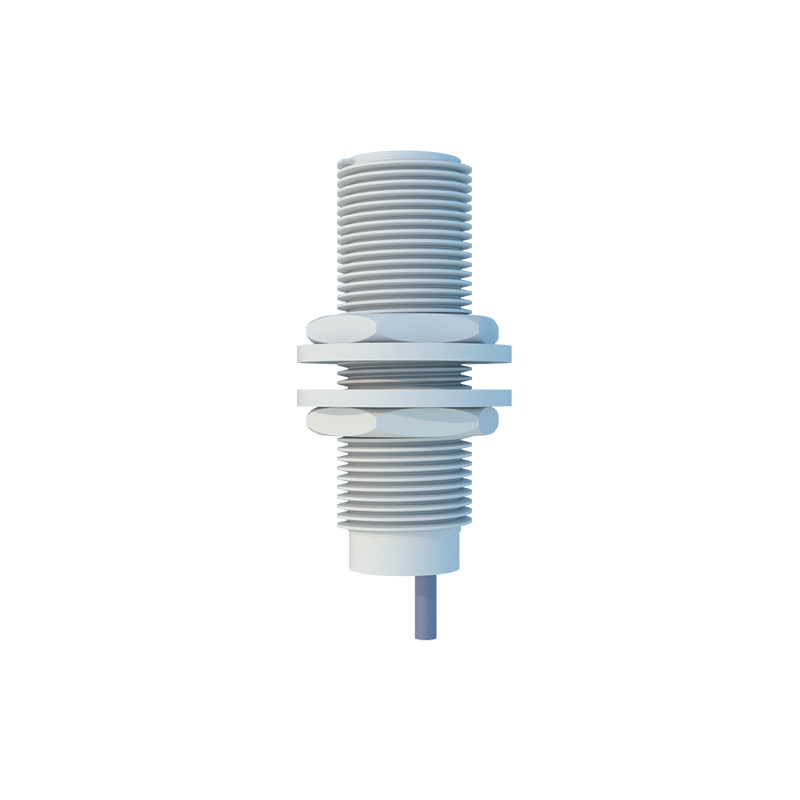
Core Function: Non-Contact Object Detection
The primary and most widespread use of proximity light sensors is non-contact object detection. In manufacturing assembly lines, they verify the presence of components on a conveyor belt. For instance, a sensor can confirm a bottle cap is correctly seated before filling, or a label is applied before packaging. This simple binary task—object present or absent—is crucial for process validation and quality control. In automated packaging machinery, arrays of these sensors ensure products are correctly positioned for wrapping or boxing, preventing jams and material waste. In the realm of consumer electronics, this same principle allows smartphones to deactivate the touchscreen when held to the ear during a call, preventing accidental inputs. The reliability and speed of optical detection far surpass mechanical alternatives for such high-cycle tasks.
Precision Measurement and Positioning
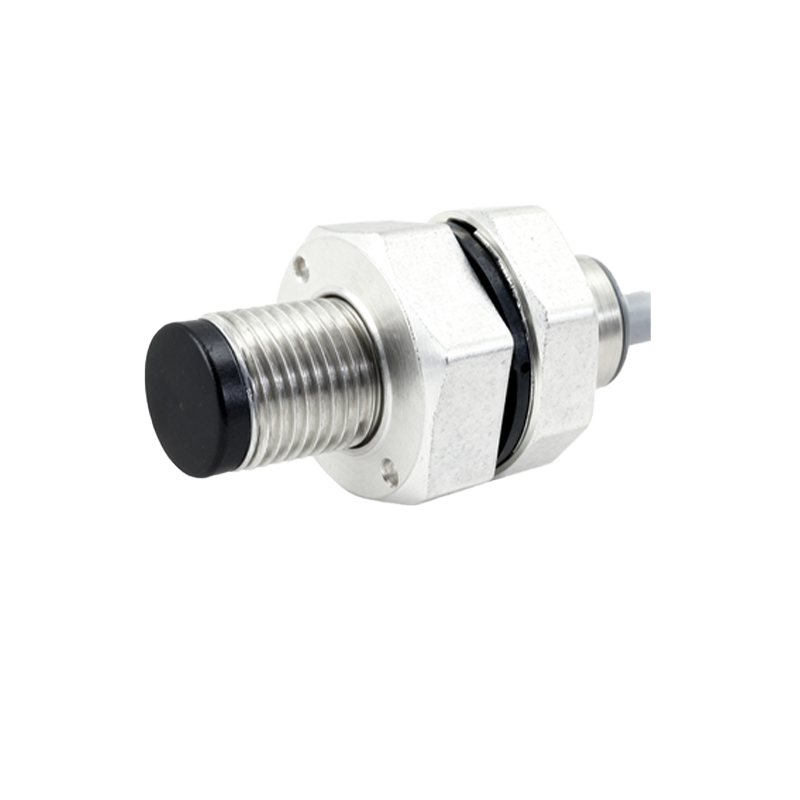
Beyond simple detection, advanced proximity light sensors perform precise distance measurement and positioning. Using time-of-flight (ToF) or triangulation methods, they can accurately gauge the distance to a target. This capability is vital in robotics for guiding robotic arms, ensuring precise placement of parts. In logistics, they measure the height of stacked goods in automated storage and retrieval systems (AS/RS). Within semiconductor fabrication, ultra-precise sensors position wafers with micron-level accuracy. Furthermore, in dimensional inspection systems, they scan objects to ensure they meet strict tolerances, identifying defects by detecting deviations in expected surface profiles. This application transforms the sensor from a simple switch into a critical measurement instrument, feeding data directly into control systems for real-time adjustments.
Enhancing Safety in Industrial Environments
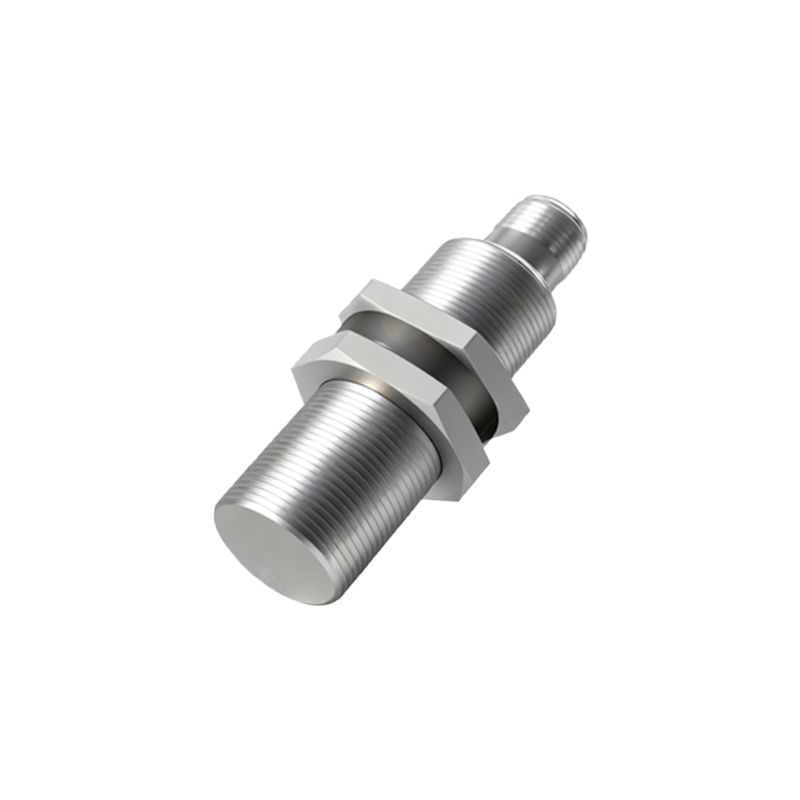
Safety is a paramount concern in factories and warehouses, and proximity light sensors are key enablers of safe operations. They form the backbone of safety light curtains and laser scanners that create invisible protective fields around hazardous machinery. If a beam is interrupted by a worker entering a dangerous zone, the system triggers an immediate machine shutdown or alarm. This non-intrusive safety solution allows for efficient workflow while providing a high level of personnel protection. Similarly, they are used in automatic doors on industrial ovens or cleanrooms to ensure safe passage without compromising the controlled environment. Their fail-safe designs and high reliability make them trusted components for meeting stringent occupational safety standards and regulations worldwide.
Improving Efficiency and Automation
The drive for Industry 4.0 and smart manufacturing hinges on data and automated decision-making. Proximity light sensors are essential data points in this ecosystem. By providing real-time information on production flow, machine status, and material handling, they enable predictive maintenance and process optimization. For example, monitoring the fill level of bins or hoppers with sensors allows for automated replenishment, preventing production stoppages. In automated guided vehicles (AGVs), they assist in navigation and collision avoidance. Their integration with Programmable Logic Controllers (PLCs) and Industrial IoT platforms allows for the creation of highly responsive, efficient, and self-regulating production systems, reducing downtime, minimizing waste, and boosting overall equipment effectiveness (OEE).
Applications in Specialized and Harsh Conditions
The utility of proximity light sensors extends into specialized and harsh industrial environments. Fiber-optic versions, where the sensing head is connected via a flexible cable to the amplifier, excel in extreme conditions. They can operate in high-temperature areas, tight spaces, or environments with intense electromagnetic interference. In food and beverage processing, sensors with stainless steel housings and hygienic designs withstand frequent washdowns. In mining or construction equipment, ruggedized sensors detect bucket positions or material levels despite vibration and dirt. Their versatility in form factor—from miniature sensors for electronics to large-area sensors for logistics—ensures a solution exists for nearly every challenging application, proving their adaptability and robustness.
Conclusion: An Indispensable Industrial Component
In summary, the utility of proximity light sensors is vast and integral to modern industrial and technological landscapes. From fundamental