Introduction to Photoelectric Sensors
Photoelectric sensors are essential components in modern industrial automation, utilizing light beams to detect the presence, absence, or distance of objects. These devices play a critical role in various applications, including manufacturing, packaging, and safety systems. They operate by emitting light from a transmitter and receiving it with a receiver, allowing for non-contact sensing that ensures high precision and durability. The technology behind photoelectric sensors has evolved significantly, incorporating advancements in LED and laser sources, as well as sophisticated signal processing. As industries worldwide adopt automation, the demand for reliable and efficient sensors continues to grow, making them a cornerstone of smart factories and IoT-enabled environments.
Global Market Overview
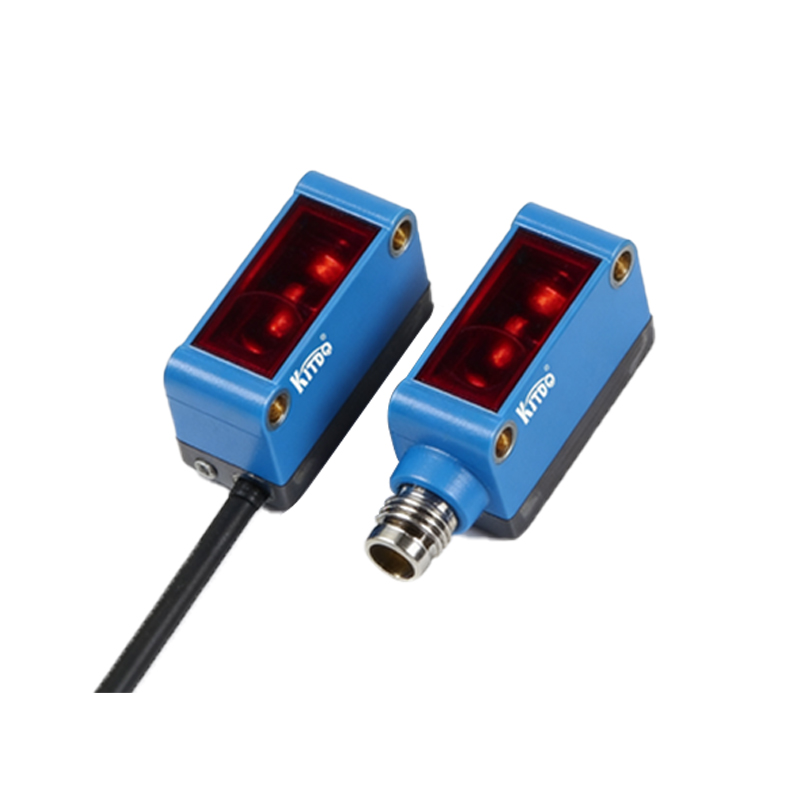
The global market for photoelectric sensors is robust and expanding, driven by increasing automation across sectors such as automotive, electronics, and logistics. Leading manufacturers from countries like Germany, Japan, and the United States dominate the industry, offering a wide range of products with advanced features. These sensors are integral to enhancing productivity, reducing errors, and improving safety in industrial settings. Market reports indicate steady growth, with innovations in miniaturization, energy efficiency, and connectivity fueling adoption. While established players hold significant market share, emerging economies are contributing to the supply chain, highlighting the sensor's universal importance in modern technology.
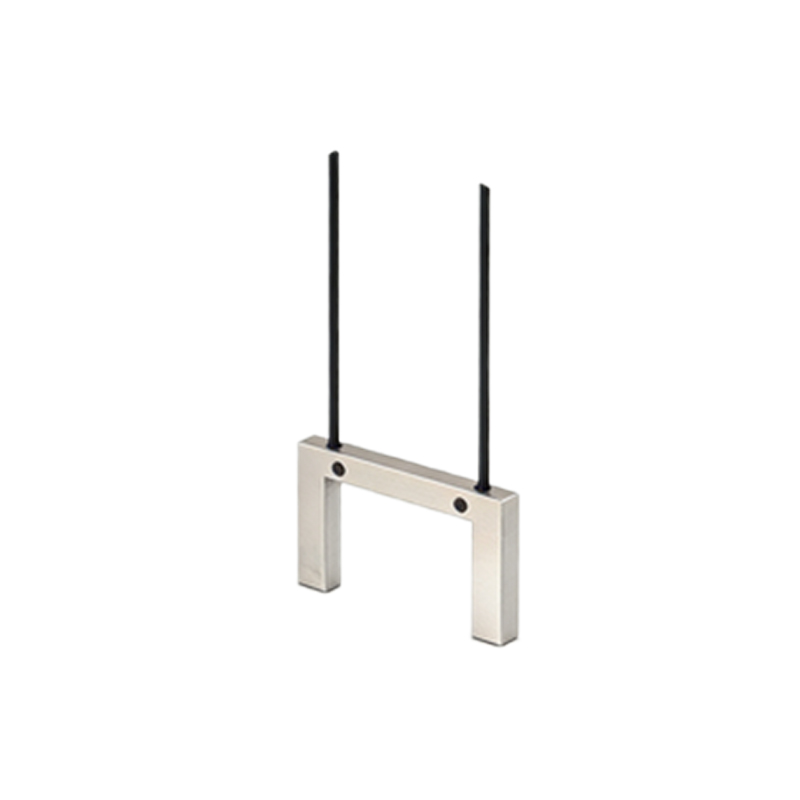
China's Role in Sensor Production
Contrary to the misconception that China lacks photoelectric sensors, the country is a major player in their manufacturing and development. Chinese companies have invested heavily in research and production, producing a vast array of photoelectric sensors for both domestic use and export. These sensors meet international standards and are utilized in diverse industries, from consumer electronics to heavy machinery. China's manufacturing capabilities, supported by a strong supply chain and technological advancements, enable it to compete globally. Many Chinese firms collaborate with international partners, further integrating into the global market and driving innovation in sensor technology.
Technological Advancements in China
China has made significant strides in photoelectric sensor technology, focusing on areas like precision, sensitivity, and integration with smart systems. Research institutions and companies are developing sensors with enhanced features, such as longer detection ranges, improved environmental resistance, and compatibility with Industry 4.0 standards. Innovations include the use of AI for data analysis and IoT connectivity, allowing sensors to contribute to predictive maintenance and real-time monitoring. These advancements demonstrate China's commitment to advancing sensor technology, positioning it as a key contributor to the global automation landscape.
Applications in Domestic Industries
In China, photoelectric sensors are widely applied across various sectors, underscoring their availability and utility. They are used in automotive assembly lines for quality control, in e-commerce warehouses for sorting and tracking, and in renewable energy systems for monitoring. The sensors support China's push toward industrial automation and smart manufacturing, as outlined in national initiatives like "Made in China 2025." Their adoption helps improve efficiency, reduce costs, and enhance safety, proving that photoelectric sensors are not only present but thriving within the country's industrial ecosystem.
Challenges and Opportunities
Despite China's strong presence in photoelectric sensor production, challenges remain, such as intense competition and the need for continuous innovation. However, these challenges present opportunities for growth, particularly in developing cost-effective solutions and expanding into emerging markets. Chinese manufacturers can leverage their scale and expertise to address global demand, while investing in R&D to stay ahead in technology. The ongoing digital transformation worldwide offers a promising outlook for China's sensor industry, with potential for increased exports and collaboration.
Conclusion on China's Sensor Landscape
In summary, China does have photoelectric sensors, and they are a vital part of its industrial and technological framework. The country's capabilities in manufacturing, innovation, and application dispel any notion of absence. As automation and smart technologies advance, China's role in the global sensor market is likely to expand, contributing to a more interconnected and efficient world. Stakeholders should recognize China's contributions and explore partnerships to harness the full potential of photoelectric sensor technology.