Introduction to Magnetic Proximity Sensors
Magnetic proximity sensors are fundamental components in modern industrial automation and control systems. These non-contact sensing devices detect the presence or absence of a magnetic field, typically generated by a permanent magnet or an electromagnet. Operating on the principle of detecting changes in magnetic flux density, they offer a robust and reliable solution for position sensing, object detection, and motion control in challenging environments. Unlike optical or capacitive sensors, magnetic sensors are largely immune to common industrial interferences such as dust, dirt, oil, and moisture, making them ideal for harsh applications in manufacturing, automotive, and material handling sectors. Their ability to function without physical contact eliminates mechanical wear and tear, ensuring long operational life and minimal maintenance requirements.
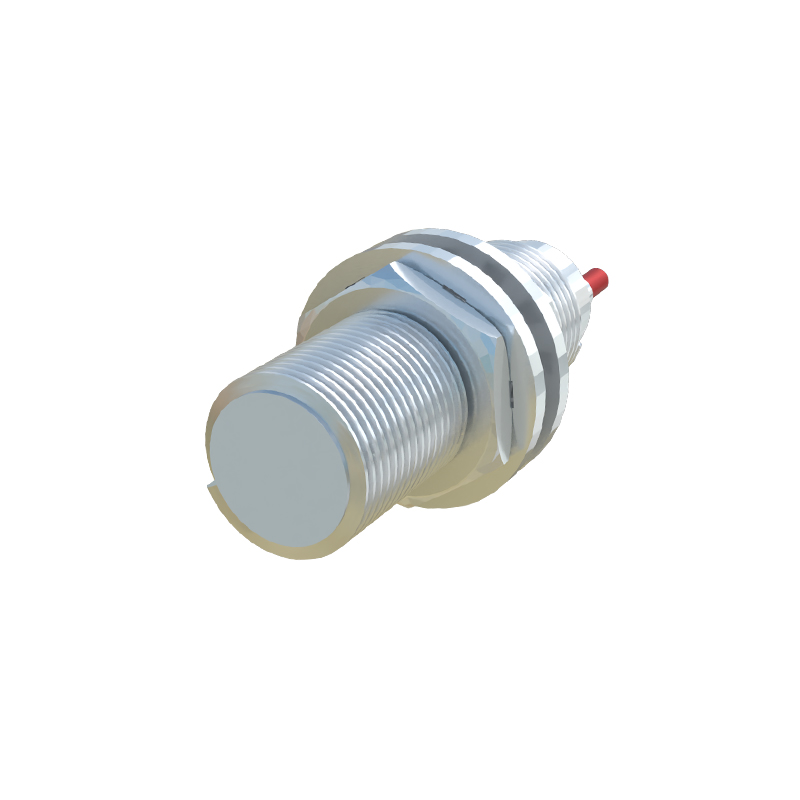
Operating Principles and Core Technologies
The core functionality of a magnetic proximity sensor hinges on its sensing element, which reacts to a magnetic field. The most common technologies include Reed Switches, Hall Effect sensors, and Magneto-Resistive (MR) sensors. A Reed Switch consists of two ferromagnetic reeds sealed within a glass tube filled with inert gas. When an external magnetic field of sufficient strength is applied, the reeds magnetize, attract each other, and make contact, closing the electrical circuit. Hall Effect sensors, on the other hand, generate a voltage difference (the Hall voltage) across an electrical conductor when a magnetic field is applied perpendicular to the current flow. This voltage is proportional to the magnetic field strength and is processed by integrated electronics to provide a digital or analog output signal. MR sensors change their electrical resistance in the presence of a magnetic field, offering high sensitivity and precision for detecting both the presence and the strength of a magnetic field.
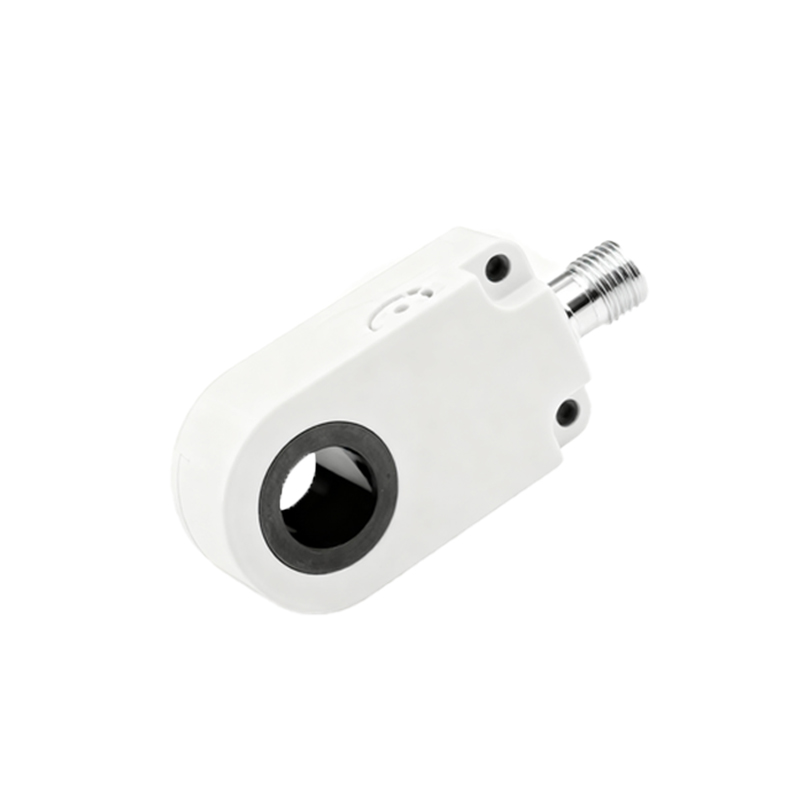
Key Design Features and Specifications
When selecting a magnetic proximity sensor, several critical specifications must be considered to ensure optimal performance. The sensing distance, or switching distance, defines the maximum range at which the sensor can reliably detect the target magnet. This distance is influenced by the magnet's strength, size, and orientation. The sensor's housing material, typically stainless steel, brass, or PBT plastic, determines its resistance to environmental factors like corrosion, chemicals, and physical impact. Electrical output types vary, including DC PNP/NPN transistor outputs, analog voltage/current outputs, and IO-Link digital communication for Industry 4.0 integration. Protection ratings, denoted by IP (Ingress Protection) codes (e.g., IP67, IP69K), indicate the level of protection against solid particles and liquids. Operating voltage range, temperature tolerance, and response frequency are also vital parameters for system compatibility and reliability.
Common Industrial Applications and Use Cases
The versatility of magnetic proximity sensors lends them to a vast array of applications. In factory automation, they are extensively used for end-of-travel detection on cylinders and linear actuators, providing feedback on piston position for pneumatic and hydraulic systems. In the automotive industry, they monitor gear position in transmissions, detect wheel speed for anti-lock braking systems (ABS), and sense seat belt buckle status. Material handling equipment utilizes these sensors to detect the position of pallets, trolleys, and doors. They are also crucial in safety systems, such as interlock switches on machine guards, where their non-contact nature and fail-safe designs are paramount. Furthermore, they find use in consumer electronics, medical devices, and renewable energy systems for precise and durable position feedback.
Advantages Over Other Sensor Types
Magnetic proximity sensors offer distinct advantages that make them the preferred choice in many scenarios. Their primary benefit is exceptional environmental robustness. Being unaffected by non-ferrous contaminants like dust, chips, or opaque fluids, they outperform optical sensors in dirty conditions. They are not influenced by the color, reflectivity, or material transparency of the target object, unlike photoelectric sensors. Compared to inductive proximity sensors, which only detect metals, magnetic sensors specifically respond to magnetic fields, allowing them to detect magnets through non-magnetic barriers like plastic, aluminum, or stainless steel walls. This enables completely sealed, non-penetrating sensing solutions. Their simple principle of operation translates to high reliability, long life, and consistent performance over millions of switching cycles.
Installation Considerations and Best Practices
Proper installation is crucial for reliable sensor operation. The alignment between the sensor and the target magnet is critical; the sensor's active face must be positioned perpendicular to the direction of the magnetic field lines for maximum sensing distance. The use of opposing magnets or magnetic assemblies can extend the effective sensing range. It is essential to avoid mounting the sensor near strong external magnetic fields, such as those from large motors, transformers, or welding equipment, as these can cause false triggering or desensitization. Electrical wiring should follow manufacturer guidelines, ensuring correct polarity for DC sensors