Introduction to Photoelectric Sensors in Flipping Mechanisms
In modern industrial automation, flipping mechanisms are critical for tasks such as component orientation, packaging, and assembly line transfer. The precise and reliable detection of an object's position before, during, and after a flip is paramount to system integrity. This is where photoelectric sensors become indispensable. These non-contact devices use light beams to detect the presence, absence, or distance of objects, offering a robust solution for the dynamic and often high-speed environment of flipping operations. Their ability to function without physical contact eliminates wear and tear, ensuring long-term reliability and minimal maintenance, which is a key consideration for continuous production lines.
Core Operating Principles and Technologies
Photoelectric sensors operate by emitting a beam of light—typically infrared, visible red, or laser—from a transmitter. A receiver then detects changes in this light beam. For flipping mechanisms, three primary sensing modes are commonly employed. The through-beam type, with separate transmitter and receiver units, offers the longest sensing range and highest reliability, ideal for detecting objects as they enter the flip station. The retro-reflective type uses a single unit and a reflector, suitable for detecting the presence of an object on a flipping arm or platform. Finally, the diffuse-reflective type senses light reflected directly from the target object itself, perfect for verifying the object's position or orientation after the flip has been completed, as the distance and angle change.
Key Selection Criteria for Flipping Applications
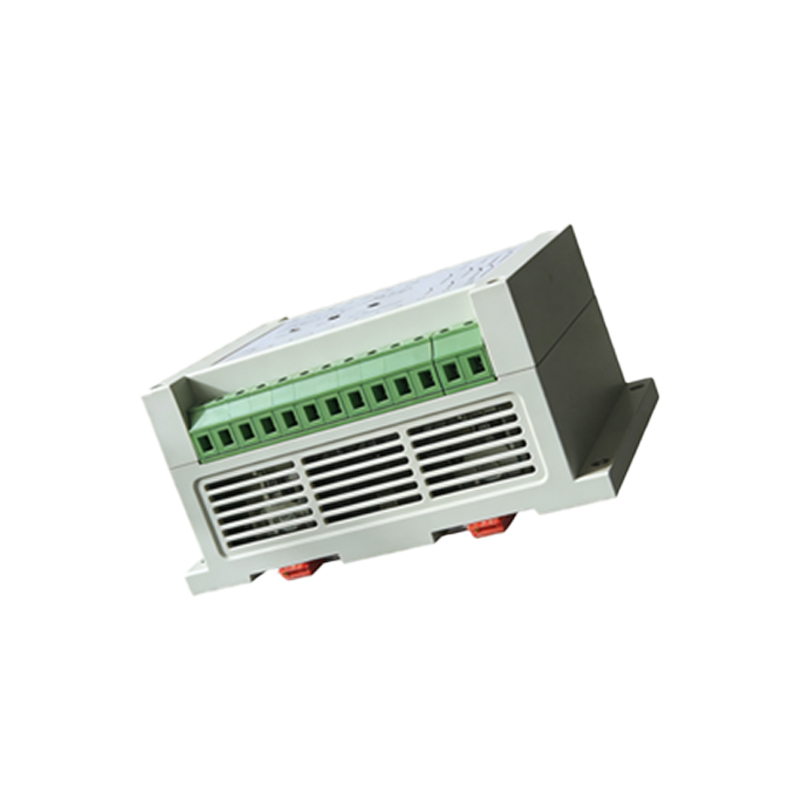
Selecting the appropriate photoelectric sensor for a flipping mechanism requires careful analysis of several parameters. Sensing range is primary; it must accommodate the maximum distance the object travels during the flip cycle. Response time is equally critical, as the sensor must be fast enough to detect objects at the mechanism's operational speed to provide timely feedback to the PLC. The size and shape of the sensing beam (spot size) must be considered to avoid false triggers from machine parts. Environmental factors like dust, oil mist, or ambient light interference necessitate sensors with robust housings (often IP67 or higher) and modulated light signals to ensure noise immunity. For precise positioning post-flip, background suppression or focused beam sensors are often specified.
Integration and Signal Processing with Control Systems
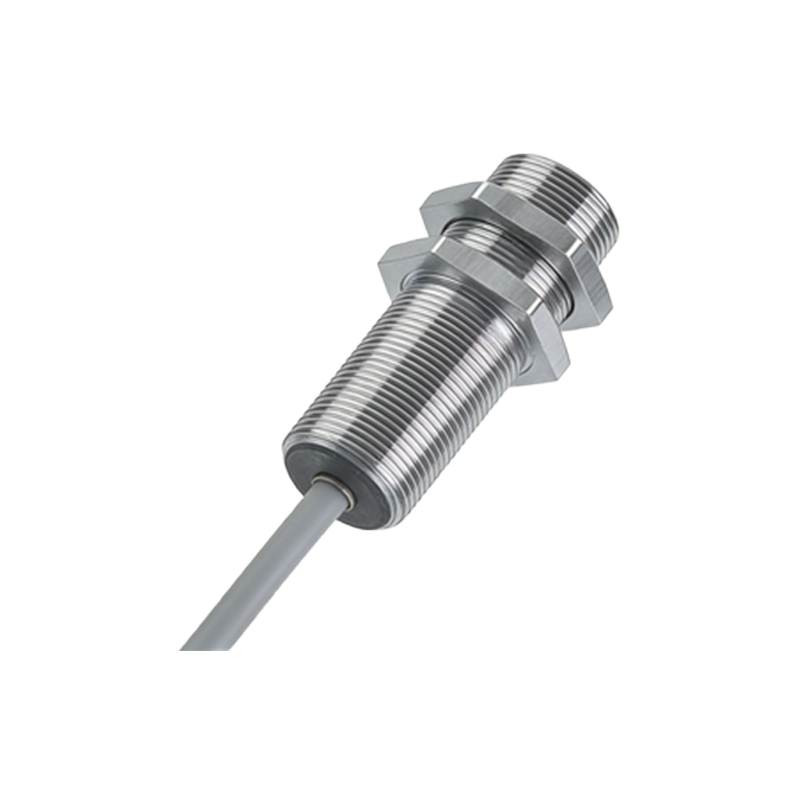
The true value of a photoelectric sensor is realized through its integration into the machine's control system. Sensors in flipping mechanisms typically provide discrete ON/OFF signals (PNP or NDC sourcing) to a Programmable Logic Controller (PLC). The timing of this signal is crucial. A sensor might trigger the flip actuator to begin its cycle, while another confirms the object has been securely grasped. A third sensor often verifies the successful completion of the flip and the object's release. Advanced sensors with analog outputs or IO-Link communication can provide additional data, such as slight distance variations, which can be used for predictive maintenance or quality checks, flagging a misaligned flipping arm before it causes a jam.
Common Challenges and Troubleshooting Strategies
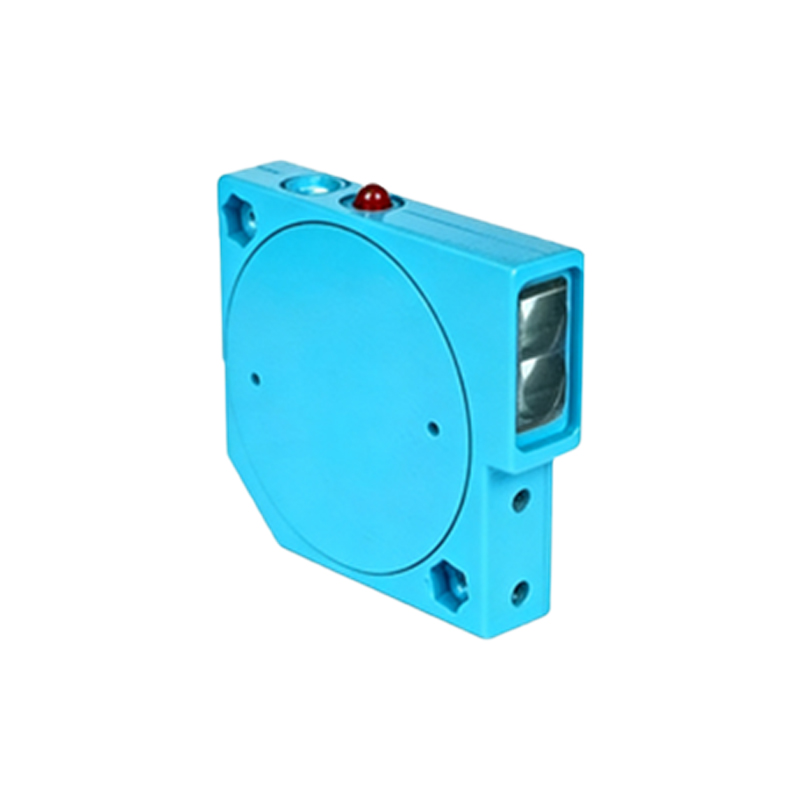
Despite their reliability, photoelectric sensors in flipping mechanisms face specific challenges. Mechanical misalignment over time can cause a through-beam or retro-reflective sensor to lose its "sight," leading to missed detections. Regular calibration checks are essential. Accumulation of debris on the lens or reflector will attenuate the light signal, requiring a scheduled cleaning protocol. In high-speed applications, selecting a sensor with a response frequency significantly higher than the flip cycle rate prevents signal aliasing. Electrical noise from motors and actuators can interfere with sensor signals; using shielded cables and proper grounding practices is mandatory. A systematic approach—checking power, alignment, lens cleanliness, and output signal with a multimeter or PLC diagnostic tools—is the standard troubleshooting methodology.
Future Trends and Advanced Implementations
The evolution of photoelectric sensing continues to enhance flipping mechanism capabilities. Sensors with integrated logic functions can now perform simple tasks, like a one-shot pulse upon detection, reducing PLC program load. The adoption of IO-Link is a significant trend, allowing for remote parameter configuration, real-time health monitoring, and detailed diagnostic data from the sensor itself. Furthermore, the integration of vision-based photoelectric sensors provides not just presence detection but also basic orientation verification, ensuring an object is not only present but correctly faced before initiating a flip. As Industry 4.0 progresses, these smart sensors will feed data into digital twin systems, optimizing flip cycle times and predicting maintenance needs with greater accuracy.