Understanding Laser Proximity Sensor Technology
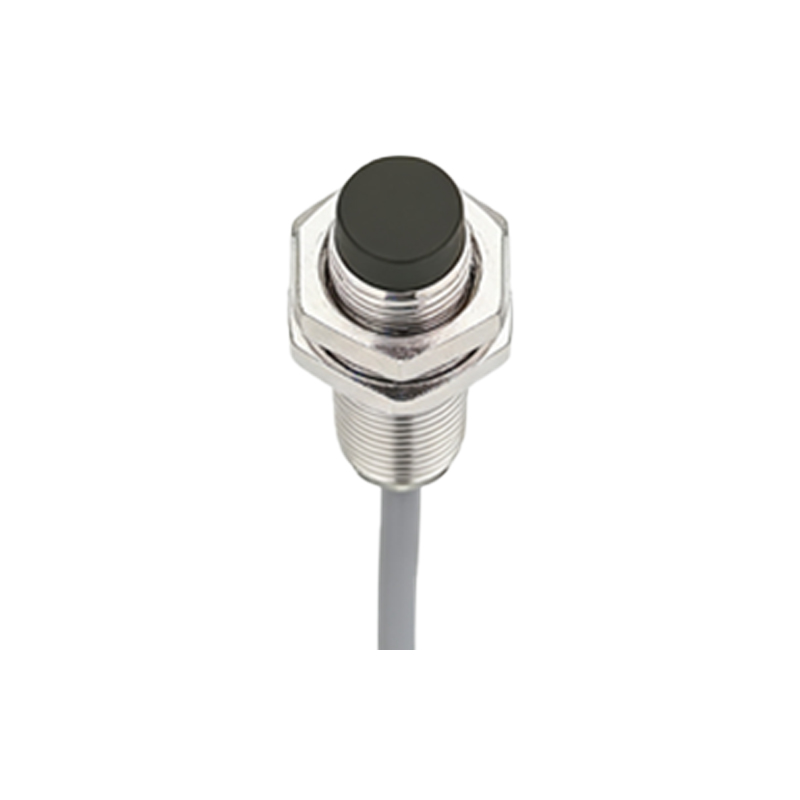
Laser proximity sensors are critical components in modern industrial automation, offering high-precision, non-contact detection of objects. These sensors operate by emitting a laser beam and measuring the time it takes for the reflection to return, calculating distance with remarkable accuracy. Key advantages include long sensing ranges, minimal beam divergence, and the ability to detect small or low-reflectivity targets. Industries such as automotive manufacturing, packaging, robotics, and logistics rely on these sensors for tasks like positioning, inspection, and quality control. When selecting a supplier, it is essential to understand the technical specifications, including measurement range, resolution, response time, and environmental ratings, to ensure compatibility with your application.
Key Factors in Evaluating Suppliers
Choosing a reliable laser proximity sensor supplier involves assessing several critical factors. First, consider the supplier's product portfolio—do they offer a variety of models with different ranges, outputs, and housing designs? A diverse lineup indicates flexibility to meet specific needs. Second, evaluate their technical support and customization capabilities. Top suppliers provide comprehensive documentation, application engineering assistance, and options for tailored solutions. Third, examine their manufacturing standards and quality certifications, such as ISO 9001, which ensure consistent performance and durability. Additionally, review their supply chain stability and lead times to avoid production delays.
Industry Applications and Case Studies
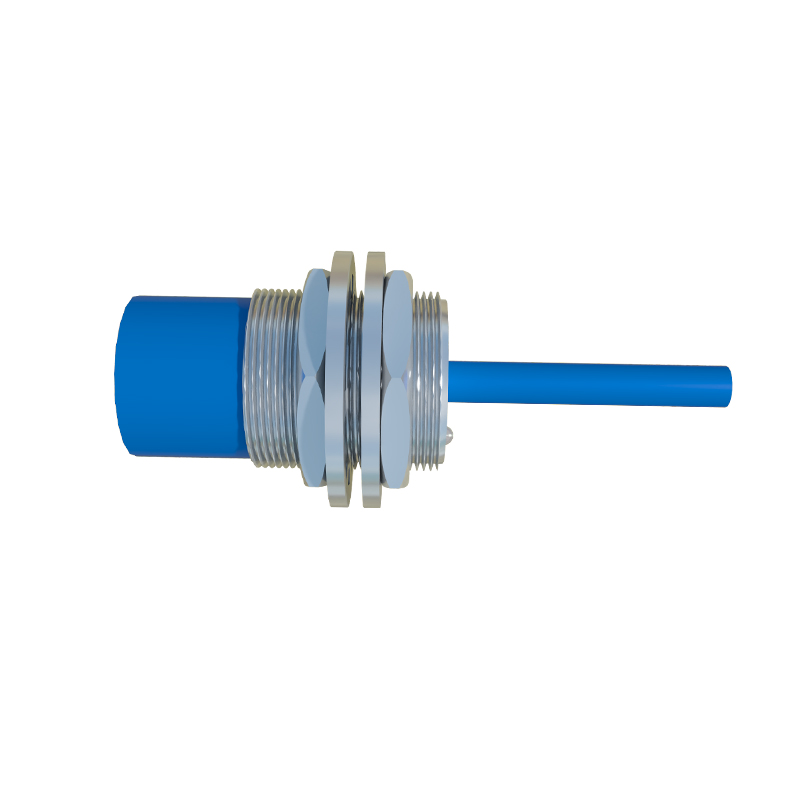
Laser proximity sensors are deployed across numerous sectors, each with unique demands. In automotive assembly lines, they ensure precise part placement and robot guidance, reducing errors. In packaging machinery, sensors monitor fill levels and detect label positions, enhancing efficiency. Robotics applications use them for obstacle avoidance and path planning, improving safety. A case study from a leading electronics manufacturer highlights how switching to a high-accuracy laser sensor supplier reduced defect rates by 15% through better component alignment. These examples underscore the importance of selecting a supplier with proven experience in your industry, as they can offer insights into optimal sensor configurations and integration.
Cost Considerations and Value Proposition
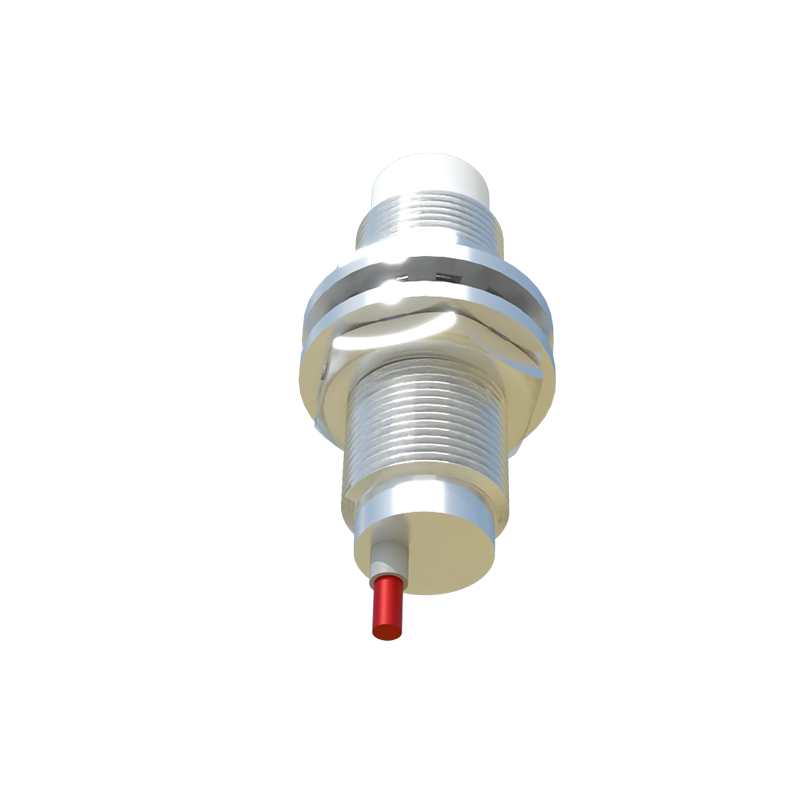
While initial cost is a factor, the total cost of ownership should guide your decision when choosing a laser proximity sensor supplier. High-quality sensors may have a higher upfront price but often lead to lower long-term expenses due to reduced downtime, maintenance, and replacement needs. Evaluate suppliers based on their warranty terms, after-sales service, and availability of spare parts. Some suppliers offer value-added services like calibration, training, or predictive maintenance support, which can enhance operational efficiency. It's also wise to compare pricing models, including volume discounts or leasing options, to align with your budget without compromising on reliability.
Future Trends and Supplier Innovation
The laser proximity sensor market is evolving with advancements in technology, such as integration with IoT and Industry 4.0 platforms. Leading suppliers are developing smart sensors with embedded connectivity for real-time data analytics and remote monitoring. Innovations in miniaturization and energy efficiency are also emerging, enabling use in compact or battery-powered devices. When selecting a supplier, consider their R&D investments and roadmap for new features like enhanced environmental resistance or AI-driven diagnostics. Partnering with an innovative supplier ensures your operations stay competitive and adaptable to future industrial challenges, making it a strategic investment beyond immediate needs.