What is a Proximity Sensor?
A proximity sensor is a non-contact electronic device designed to detect the presence or absence of an object within its sensing range without any physical contact. It operates by emitting an electromagnetic field, beam, or radiation and then monitoring for changes in the field or return signal. The core principle involves converting information about the presence or distance of a target object into an electrical signal. This fundamental capability makes proximity sensors indispensable in modern industrial automation, robotics, consumer electronics, and automotive systems, where reliable, wear-free detection is critical for efficiency, safety, and precision. Unlike mechanical limit switches, they offer longer service life and higher operational speeds by eliminating physical wear and tear.
Core Operating Principles and Technologies
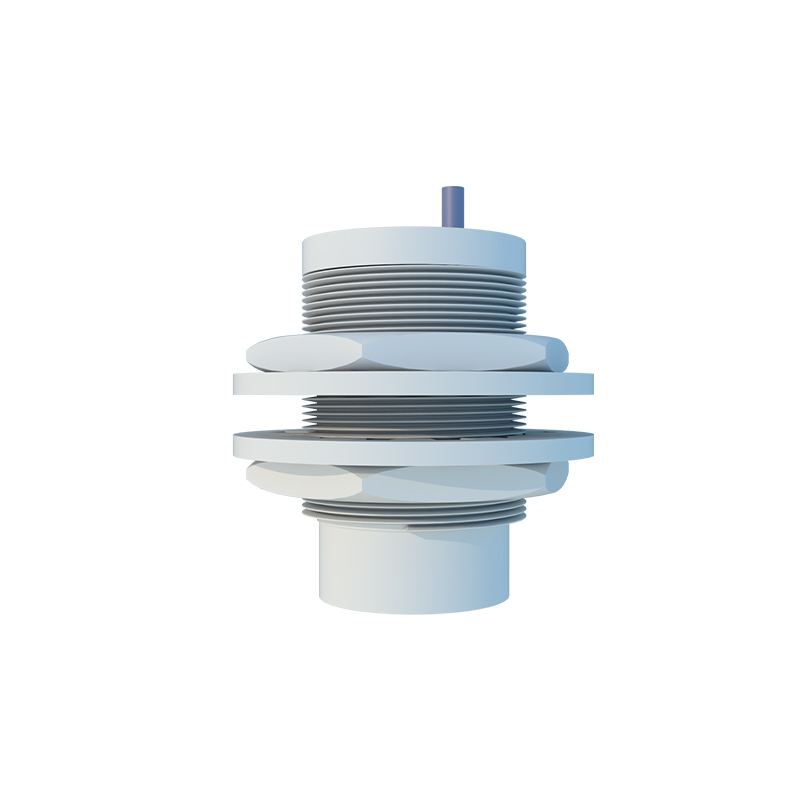
The functionality of proximity sensors is based on several distinct physical principles, leading to different sensor types. Inductive proximity sensors generate an oscillating electromagnetic field. When a metallic object enters this field, it induces eddy currents, causing a change in oscillation amplitude that is detected and triggers an output switch. Capacitive sensors create an electrostatic field and can detect both metallic and non-metallic materials (like plastic, wood, or liquids) by sensing changes in capacitance when an object alters the field. Photoelectric sensors use a light emitter (often LED) and a receiver; they detect objects by interpreting the interruption (beam-break mode) or reflection (reflective or diffuse mode) of the light beam. Ultrasonic sensors measure the time taken for a sound wave to reflect back from an object, calculating distance. Each technology has its unique advantages, dictated by factors like target material, required sensing distance, environmental conditions, and cost.
Primary Types and Their Characteristics
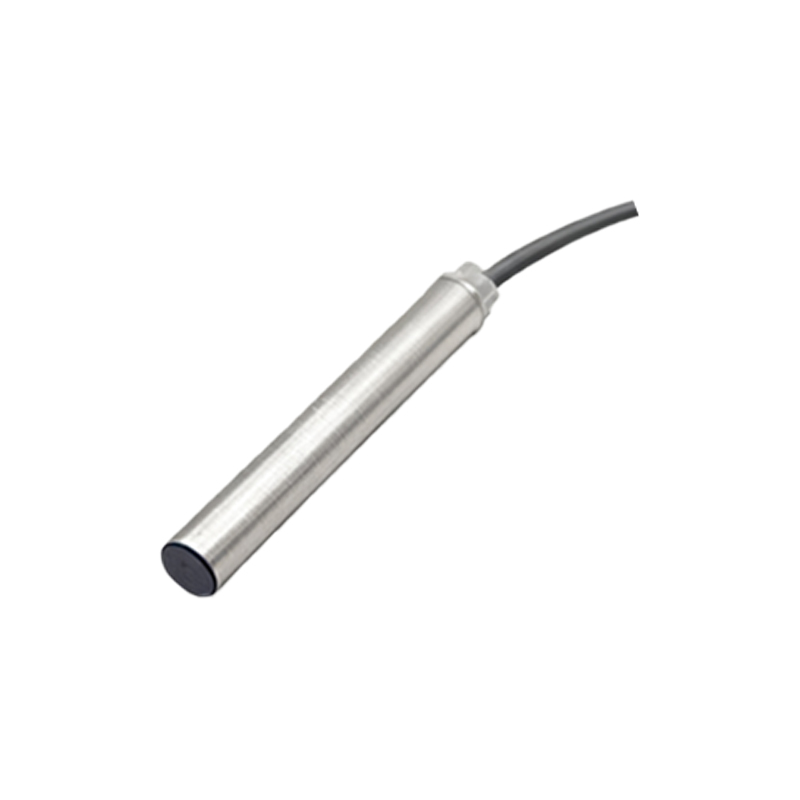
Understanding the main categories is key to selection. Inductive Proximity Sensors are robust, immune to environmental factors like dust or oil, and exclusively for detecting metals. They come in shielded (flush-mountable) and unshielded versions, with sensing ranges typically from a few millimeters to about 60 mm. Capacitive Proximity Sensors are versatile, capable of detecting almost any material, and are often used for level detection of powders or liquids. They can be influenced by humidity and temperature changes. Photoelectric Sensors offer the longest sensing ranges (up to several meters) and high precision but can be affected by ambient light, color, and surface reflectivity of the target. Ultrasonic Sensors excel in harsh environments (dust, fog) and are ideal for distance measurement and detecting transparent or sound-absorbing objects, though they may have a slower response time compared to other types.
Key Specifications and Performance Parameters
Selecting the right sensor requires careful analysis of its specifications. Sensing Distance, or nominal range, is the maximum distance at which the sensor can reliably detect a standard target. The Repeatability parameter indicates how consistently the sensor can detect an object at the same point. Response Time defines how quickly the sensor can react to a target's presence or absence, crucial for high-speed applications. Switching Frequency specifies how many on/off cycles the sensor can handle per second. Environmental ratings like IP (Ingress Protection) codes for dust/water resistance and temperature range are vital for durability. Output types (NPN/PNP, NO/NC) must be compatible with the control system (PLC, microcontroller). Understanding these parameters ensures the sensor meets the application's speed, accuracy, and environmental demands.
Industrial and Commercial Applications
The applications of proximity sensors are vast and cross-sector. In manufacturing automation, they are used for part positioning, counting, jam detection, and end-of-travel limits on machinery. Robotics relies heavily on them for object detection and precise arm positioning. The automotive industry uses them for assembly line control, gear position sensing, and in safety features like parking assist systems. In consumer electronics, they enable touchless faucets, smartphone screen deactivation during calls, and automatic doors. They are also fundamental in packaging, material handling, and aerospace for reliable non-contact feedback. Their ability to operate in difficult conditions makes them a cornerstone of Industry 4.0 and IoT setups, providing critical data for smart systems.
Critical Selection Criteria and Installation Tips
Choosing the optimal sensor involves a systematic approach. First, identify the Target Material (metal, plastic, liquid) to narrow down inductive vs. capacitive technology. Next, determine the Required Sensing Distance and any physical space constraints for sensor mounting. Consider the Operating Environment: presence of dust, moisture, chemicals, or temperature extremes will dictate the needed housing material and IP rating. Electrical requirements like supply voltage, output type, and connection method must match the control circuitry. For installation, ensure proper alignment, maintain the specified gap from metal surroundings (especially for unshield