Introduction to Photoelectric Sensing Technology
Photoelectric sensors are fundamental components in modern industrial automation and control systems. They operate on the principle of converting light signals into electrical signals to detect the presence, absence, or distance of an object. The core components typically include an emitter (light source), a receiver (photodetector), and associated signal processing circuitry. The emitter projects a beam of light, which is then either received directly, reflected off a target, or interrupted. The receiver detects changes in this light beam, and the sensor's electronics interpret these changes to provide a discrete or analog output signal. This non-contact detection method offers significant advantages over mechanical switches, including higher reliability, faster response times, and no physical wear from contact. From simple object counting on a conveyor belt to complex positioning in robotic arms, photoelectric sensors provide the essential "eyes" for automated systems, enabling precise and reliable operation in diverse and often harsh industrial environments.
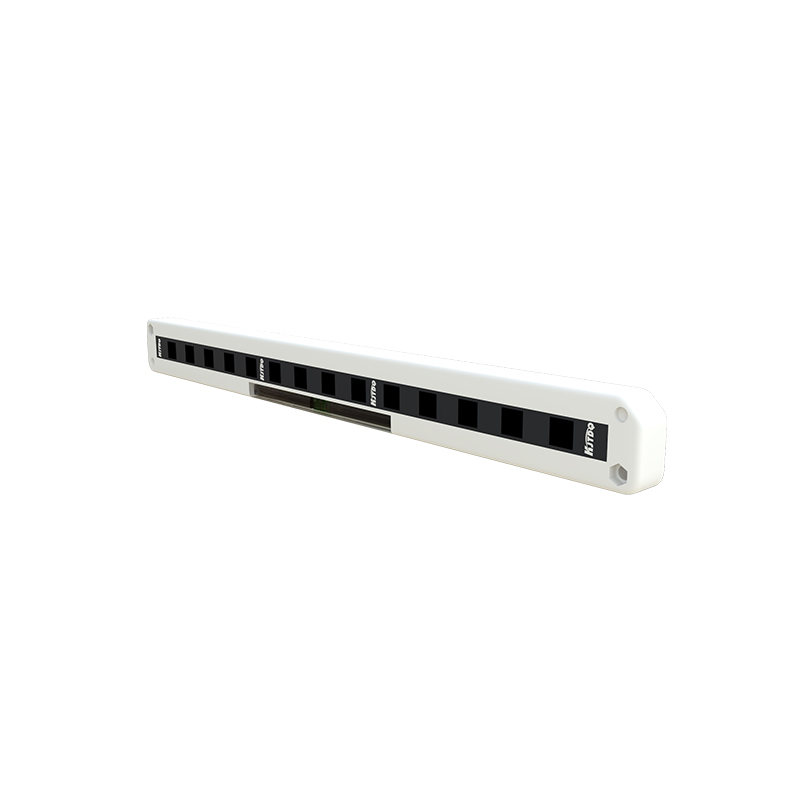
Core Operating Principles and Light Sources
The functionality of a photoelectric sensor hinges on its method of light projection and reception. The three primary operating modes are through-beam, retro-reflective, and diffuse (proximity) sensing. In through-beam sensors, the emitter and receiver are separate units aligned opposite each other. Detection occurs when an object breaks the light beam. This mode offers the longest sensing range and highest reliability. Retro-reflective sensors house both emitter and receiver in a single housing, using a reflector to bounce the light beam back. An object is detected when it interrupts this return path. Diffuse sensors also have a combined emitter and receiver, but they detect light reflected directly off the target object itself. The choice of light source is critical. Light-Emitting Diodes (LEDs) are most common, with red visible light being standard. Infrared LEDs provide invisible detection and better immunity to ambient light. Laser diodes enable extremely precise detection for small objects or long ranges. Recent advancements include specialized blue LEDs for detecting transparent objects and background suppression technology for precise detection regardless of object color or reflectivity.
Key Functional Outputs: Discrete and Analog
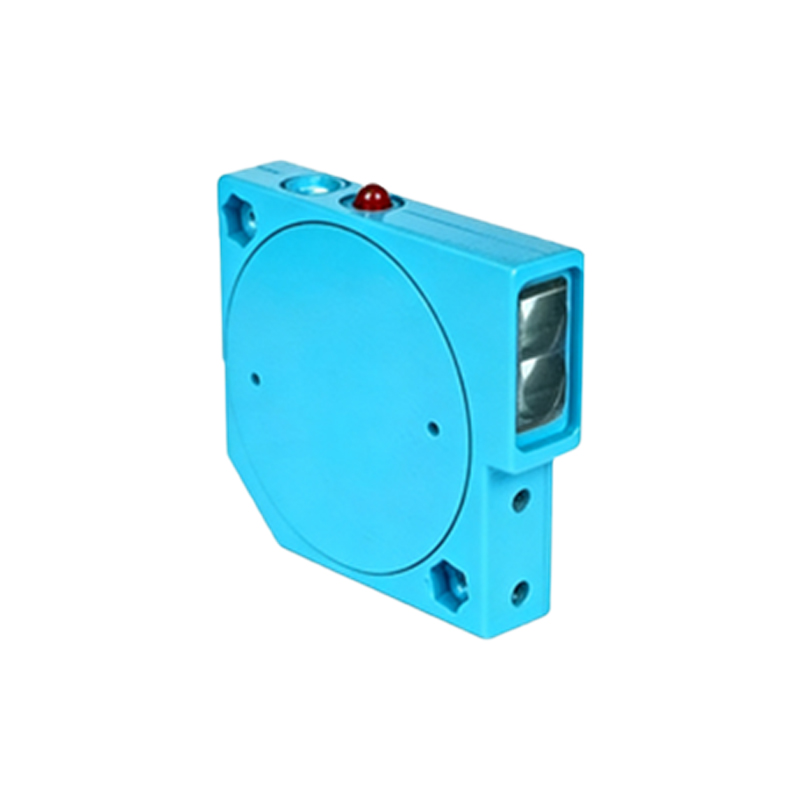
The output signal from a photoelectric sensor translates the detected light condition into actionable data for a control system, most commonly a Programmable Logic Controller (PLC). Discrete, or digital, outputs are the most prevalent. These provide a simple ON/OFF signal, such as a relay contact closure or a solid-state transistor switch (PNP or NMP). A "light-on" output is active when the receiver detects sufficient light, while a "dark-on" output becomes active when the light beam is blocked. This binary function is ideal for presence detection, counting, and limit switching. Analog outputs provide a continuous signal proportional to the measured quantity, typically distance or intensity. Common analog standards include 0-10V DC, 4-20 mA, or pulse-width modulation (PWM). This functionality is essential for tasks like monitoring fill levels, controlling tension, or precisely positioning objects. Many modern sensors offer programmability, allowing engineers to configure output behavior, sensitivity thresholds (teaching function), and timing functions like ON-delay or OFF-delay directly on the device.
Advanced Functionalities and Specialized Types
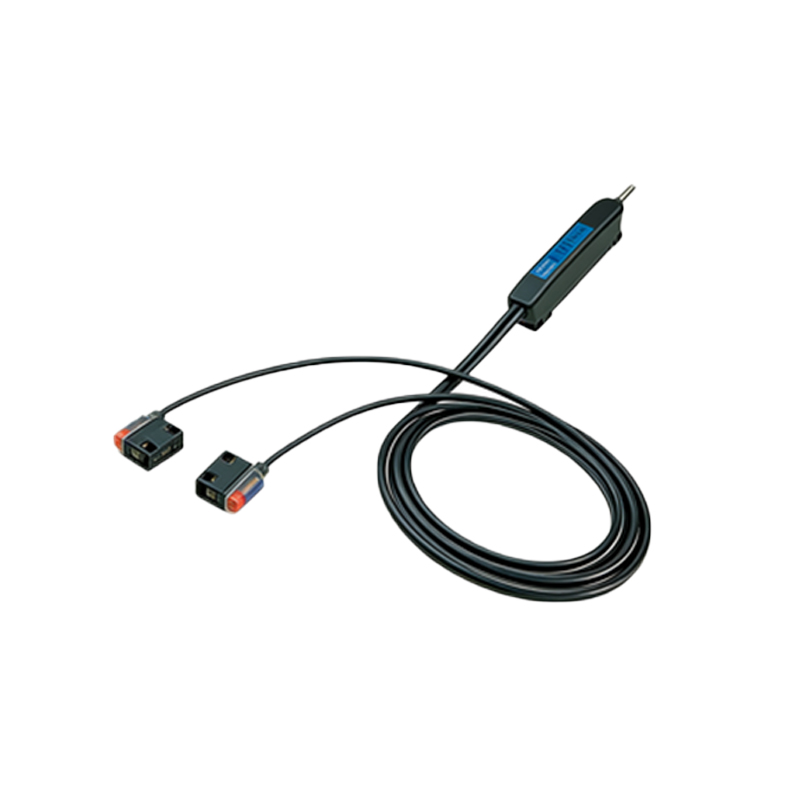
Beyond basic detection, photoelectric sensors incorporate advanced functionalities to solve complex application challenges. Background suppression sensors use triangulation to detect an object only within a precise, defined range, ignoring surfaces beyond the set distance. This is invaluable for detecting objects on a conveyor regardless of the conveyor color or detecting objects against a complex background. Contrast sensors are designed to detect differences in color, grayscale, or mark presence by comparing the reflected light intensity to a taught reference value. They are widely used in packaging and printing for label verification and registration mark detection. Luminescence sensors detect the presence of materials that glow under UV light, such as invisible security marks or specific adhesives. Fiber optic sensors represent a specialized type where the emitter and receiver connect to flexible fiber optic cables, allowing sensing in extremely tight spaces, high-temperature zones, or areas with high electromagnetic interference. The small sensing head can be configured for through-beam or diffuse operation.
Critical Selection Criteria for Industrial Applications
Selecting the correct photoelectric sensor requires a systematic evaluation of the application parameters. The sensing range is paramount; it must accommodate the maximum distance between the sensor and the target. The size, color, material, and surface finish of the target object directly influence the required sensor type and light source. A glossy white object reflects light strongly, while a matte black or transparent object poses a significant detection challenge. The required response time must be faster than the process speed to ensure no missed detections. The operating environment introduces constraints such as ambient light (sunlight or welding arcs), temperature extremes, humidity, dust, oil, or chemical exposure. Sensors are rated with Ingress Protection (IP) codes (e.g., IP67) to define their resistance to dust and water. Electrical characteristics like supply voltage (commonly 10-30V DC), output type, and connection method (connector or cable) must match the control system. Finally, mechanical factors like housing style (cylindrical, rectangular), mounting requirements, and alignment aids (built-in indicators) are crucial for reliable installation and maintenance.
Installation, Alignment, and Troubleshooting Best Practices
Proper installation is critical for optimal sensor performance. Secure mounting is essential to prevent vibration from misaligning the beam, especially for through-beam and retro-reflective types. For through-beam sensors, precise alignment of the emitter and receiver is necessary, often facilitated by built-in alignment LEDs that indicate signal strength. Retro-reflective sensors must be aligned perpendicularly to the reflector. Environmental protection, such as using shades to block ambient light or air blow-offs to keep the lens clean in dusty environments, can prevent false triggers. Common troubleshooting steps begin with verifying power and connections. Most sensors have stability or output indicators. Observing these LEDs while introducing a target can confirm basic operation. If detection is unreliable, potential issues include insufficient light signal (requiring sensitivity adjustment or cleaning of the lens), optical interference from reflective surfaces (solved by angling the sensor or using a polarized filter), or electrical noise (requiring proper shielding and grounding). Regular preventive maintenance, including lens cleaning and checking for physical damage, ensures long-term reliability and minimizes unplanned downtime in production systems.