Understanding Proximity Sensor Technology
Proximity sensors are fundamental components in industrial automation, designed to detect the presence or absence of an object without physical contact. These non-contact devices operate by emitting an electromagnetic field or a beam of electromagnetic radiation and then monitoring for changes in the field or return signal. The primary advantage lies in their ability to function in harsh environments where physical contact is impractical, such as in applications involving dirt, oil, or rapid motion. The core principle involves the sensor generating a sensing field; when a target object enters this field, it causes a detectable change—be it in capacitance, inductance, or the reflection of light or sound—which the sensor's electronics convert into a clear electrical output signal. This output is then used to trigger actions in a control system, such as counting, positioning, or initiating a machine cycle. Their versatility and robustness make them indispensable for tasks requiring high-speed, repetitive, and reliable detection.
Key Characteristics of High-Quality Proximity Sensors
Identifying a superior proximity sensor requires evaluating several critical performance parameters. First and foremost is sensing distance. A high-quality sensor offers a stable and repeatable sensing range, often with a generous operating margin to account for installation tolerances and environmental factors. Secondly, switching frequency is crucial for high-speed applications; top-tier sensors provide fast response times, enabling them to detect objects in rapid succession without missing a beat. Environmental resilience is another hallmark. Premium sensors boast high ingress protection (IP) ratings, ensuring reliable operation despite dust, moisture, and even temporary immersion. They also exhibit excellent immunity to electrical noise, temperature fluctuations, and voltage variations. Finally, construction quality is paramount. Durable housings made from materials like stainless steel or nickel-plated brass, coupled with robust cabling and connectors, ensure long-term mechanical integrity and resistance to vibration and shock.
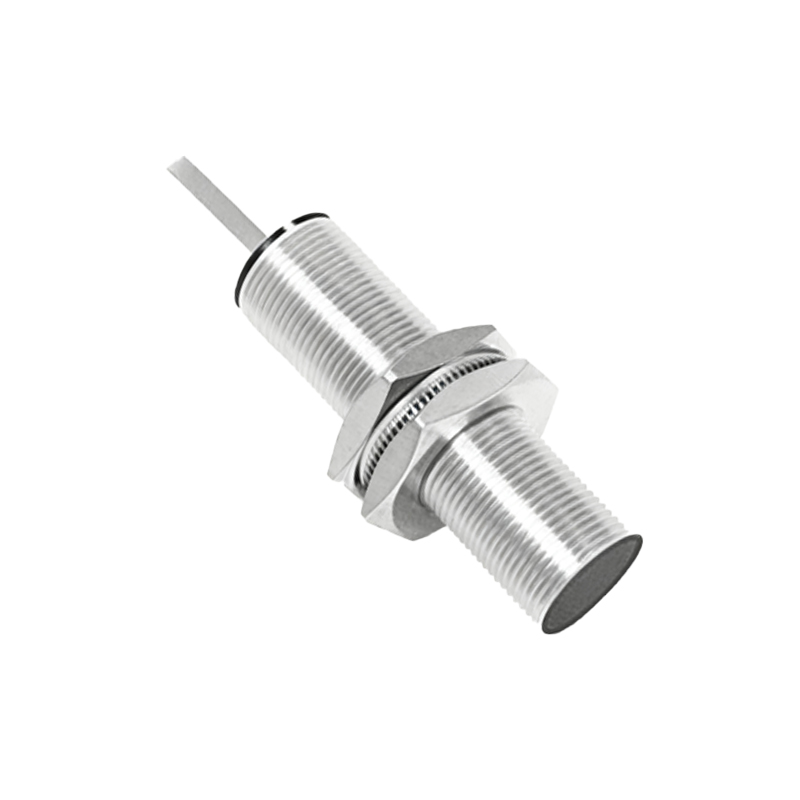
Inductive, Capacitive, and Photoelectric Variants
The selection of a proximity sensor type is dictated by the application's specific needs. Inductive proximity sensors are the most common in industrial settings. They detect metallic objects, primarily ferrous metals like steel and iron, by generating an electromagnetic field. Their strength lies in exceptional durability, high switching frequencies, and immunity to non-metallic contaminants. Capacitive proximity sensors, on the other hand, can detect nearly any material—liquids, plastics, wood, and granular substances—by sensing changes in capacitance. They are ideal for level detection, material handling, and applications involving non-metallic targets. Photoelectric sensors use a light beam, typically infrared, visible red, or laser. They offer the longest sensing ranges and can detect objects regardless of material composition, making them perfect for packaging, assembly, and complex positioning tasks. Each variant has its optimal use case, and a quality sensor will perform its designated function with unwavering consistency.
Critical Applications Across Industries
The utility of premium proximity sensors spans virtually every sector of manufacturing and automation. In automotive assembly lines, they are used for precise part positioning, robot guidance, and safety interlocking on robotic cells. In the packaging industry, they count bottles, detect label positions, and control filling levels with high accuracy. Machine tools rely on them for tool wear detection, workpiece positioning, and end-of-travel limits. In material handling and logistics, sensors monitor conveyor belts, sort packages, and manage inventory in automated storage systems. Furthermore, they play a vital role in safety systems, acting as non-contact guards to prevent machine operation when an operator is within a hazardous zone. The common thread in all these applications is the demand for fail-safe operation, minimal maintenance, and the ability to integrate seamlessly with Programmable Logic Controllers (PLCs) and other control architectures.
Installation and Maintenance Best Practices
To fully realize the performance and longevity of a high-quality proximity sensor, proper installation and maintenance are non-negotiable. During installation, it is critical to respect the specified mounting conditions. For inductive sensors, maintaining the correct distance from metal mounting surfaces and other sensors prevents interference and false triggering. Ensuring a stable power supply within the sensor's rated voltage range is essential. Wiring should be done carefully, often using shielded cables in electrically noisy environments, and routed away from high-power cables. Regular maintenance involves periodic checks for physical damage, buildup of debris on the sensing face (especially for photoelectric types), and verification of the output signal. Unlike mechanical switches, proximity sensors have no moving parts to wear out, but their electronics and housing must be protected from extreme abuse. A systematic approach to installation and a simple preventative maintenance schedule will maximize uptime and return on investment.
The Future: Smart Sensors and IIoT Integration
The evolution of proximity sensors is closely tied to the rise of Industry 4