Introduction to Photoelectric Sensing Technology
Photoelectric sensors are indispensable components in modern industrial automation, offering non-contact detection of objects based on the modulation of light. The P832 series represents a robust and versatile solution within this category, designed to meet the rigorous demands of diverse industrial environments. These sensors operate by emitting a beam of light, typically from an LED, and detecting changes in the received light intensity caused by the presence or absence of a target object. The fundamental principle relies on the interaction between the emitted light and the target, which can reflect, absorb, or transmit the light, thereby triggering a switch in the sensor's output state. This technology enables precise detection of a wide range of materials, including opaque, translucent, and even transparent objects, making it superior to mechanical limit switches or proximity sensors in many applications. The P832 model, in particular, is engineered for reliability, featuring advanced optics and circuitry to ensure consistent performance even in challenging conditions such as dust, moisture, or variable ambient light.
Key Features and Technical Specifications of the P832
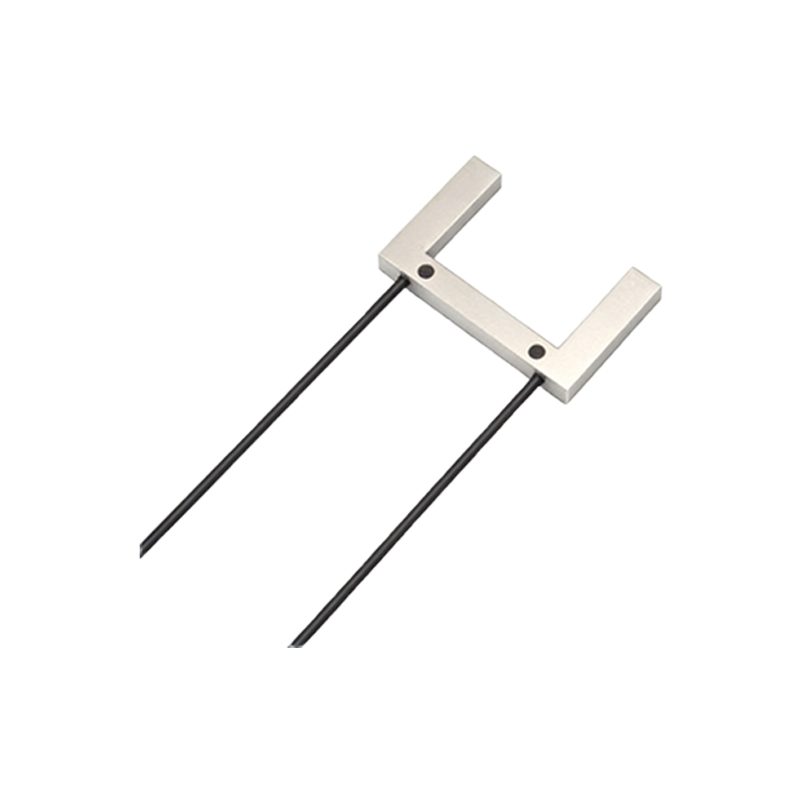
The P832 photoelectric sensor is characterized by a set of advanced features that enhance its functionality and durability. It typically offers multiple sensing modes, including through-beam, retro-reflective, and diffuse reflective, providing flexibility for different installation and detection requirements. The through-beam mode, with a separate emitter and receiver, allows for long sensing distances and high accuracy. The retro-reflective mode utilizes a reflector to bounce light back to the receiver, simplifying alignment for medium-range applications. The diffuse reflective mode, where the sensor detects light reflected directly from the target, is ideal for short-range detection without a separate reflector. Key technical specifications often include a sensing range up to several meters, a response time in the microsecond range, and a choice of output types such as NPN, PNP, or analog. The housing is usually constructed from rugged materials like nickel-plated brass or stainless steel, with high ingress protection ratings (e.g., IP67) ensuring resistance to water, oil, and dust. Additionally, many P832 models incorporate built-in diagnostics, such as stability indicators or teach-in functions, to facilitate easy setup and maintenance.
Typical Applications in Industrial Automation
The versatility of the P832 photoelectric sensor makes it suitable for a broad spectrum of industrial applications. In packaging lines, it is commonly used for detecting the presence of boxes, bottles, or labels, ensuring proper filling and sealing processes. On assembly lines, it can verify the correct positioning of components or count parts as they move on conveyors. In material handling systems, the sensor assists in monitoring object height, detecting jams, or controlling sorting gates. Its ability to sense transparent objects, like glass or plastic films, is particularly valuable in the pharmaceutical and food & beverage industries, where hygiene and precision are paramount. Furthermore, in harsh environments such as automotive manufacturing or metalworking, the P832's robust design allows it to withstand vibrations, temperature fluctuations, and exposure to coolants. By providing reliable object detection, these sensors contribute significantly to improving production efficiency, reducing downtime, and enhancing overall system safety.
Installation, Alignment, and Calibration Best Practices
Proper installation is critical to maximizing the performance and longevity of the P832 sensor. When mounting, ensure a stable and vibration-free base, and consider the sensor's orientation relative to the target path. For through-beam types, precise alignment between the emitter and receiver is essential; using alignment tools or laser pointers can aid in this process. In retro-reflective setups, the reflector must be positioned perpendicular to the sensor's beam axis. For diffuse reflective models, the sensing distance can be affected by the target's color, texture, and reflectivity, so preliminary testing with actual samples is recommended. Calibration, often via a teach-in button or potentiometer, allows adjustment of the sensitivity threshold to ignore background interference or detect faint objects. Environmental factors like ambient light from windows or machinery should be mitigated by using sensors with modulated light sources or physical shields. Regular maintenance, including lens cleaning and cable inspection, helps prevent false triggers and ensures consistent operation over time.
Advantages Over Alternative Sensing Technologies
Compared to other non-contact sensors like inductive or capacitive proximity sensors, the P832 photoelectric sensor offers distinct advantages. Its primary benefit is the ability to detect non-metallic objects, including plastics, wood, paper, and liquids, which are invisible to inductive sensors. It also provides a much longer sensing range than capacitive sensors, which are limited to very short distances. Unlike ultrasonic sensors, photoelectric sensors are not affected by air temperature or pressure variations and typically have faster response times. The P832's precision and versatility allow for more complex detection tasks, such as edge detection, color marking recognition, or level sensing in transparent containers. While photoelectric sensors may be susceptible to certain environmental interferences like heavy dust or fog, the P832 models often incorporate features to combat these issues, such as polarized filters or high-power LEDs. This makes them a preferred choice for applications requiring high speed, long range, and material versatility.
Troubleshooting Common Operational Issues
Even with robust design, users may occasionally encounter issues with P832 sensors. Common problems include failure to detect objects, intermittent operation, or false triggering. First, verify the power supply voltage and polarity, as incorrect wiring can cause malfunction. Check for physical obstructions, misalignment, or dirty lenses that may block the light beam. Ensure that the target object is within the specified sensing range and that its surface properties (e.g., highly reflective or absorbent) are compatible with the sensor's settings. Environmental interference from strong ambient light or reflective backgrounds can be addressed by adjusting the sensitivity, changing the sensing mode, or installing light shields. If the sensor has an indicator LED, observe its status for diagnostic clues—a steady light may indicate power, while a blinking pattern could signal an error. Consulting the manufacturer's manual for specific error codes and reset procedures is always advisable. In persistent cases, testing with a known-good sensor or using an oscilloscope to monitor the output signal can help isolate the fault to the sensor, wiring, or controller.
Future Trends and Integration with Industry 4.0
The evolution of photoelectric sensors like the P832 is closely tied to the advancement of Industry 4.0 and smart manufacturing. Future iterations are expected to feature enhanced connectivity through IO-Link or Ethernet interfaces, enabling real-time data exchange on parameters such as signal strength, temperature, or operating hours. This facilitates predictive maintenance, where sensors can alert operators to potential failures before they cause downtime. Integration with machine vision systems and artificial intelligence will allow for more sophisticated object recognition and quality inspection tasks. Miniaturization and increased energy efficiency will enable deployment in tighter spaces and battery-operated devices. Furthermore, improvements in LED technology and optical design may extend sensing ranges and improve immunity to challenging environmental conditions. As industrial networks become more interconnected, the P832 and similar sensors will play a pivotal role in creating adaptive, responsive, and highly efficient automated systems, driving productivity and innovation across manufacturing sectors.