Introduction to Proximity Switch Sensors
Proximity switch sensors are fundamental components in modern industrial automation, designed to detect the presence or absence of an object without physical contact. Among the various types available, capacitive proximity sensors stand out for their ability to sense both metallic and non-metallic materials, including liquids, plastics, and glass. The 3-wire configuration is particularly prevalent due to its straightforward integration into control systems, providing a reliable switching signal. When combined with the M12 connector standard, these sensors offer a robust and compact solution suitable for diverse industrial environments. This article delves into the specifics of 3-wire capacitive M12 proximity sensors, exploring their operational principles, key features, and practical applications.
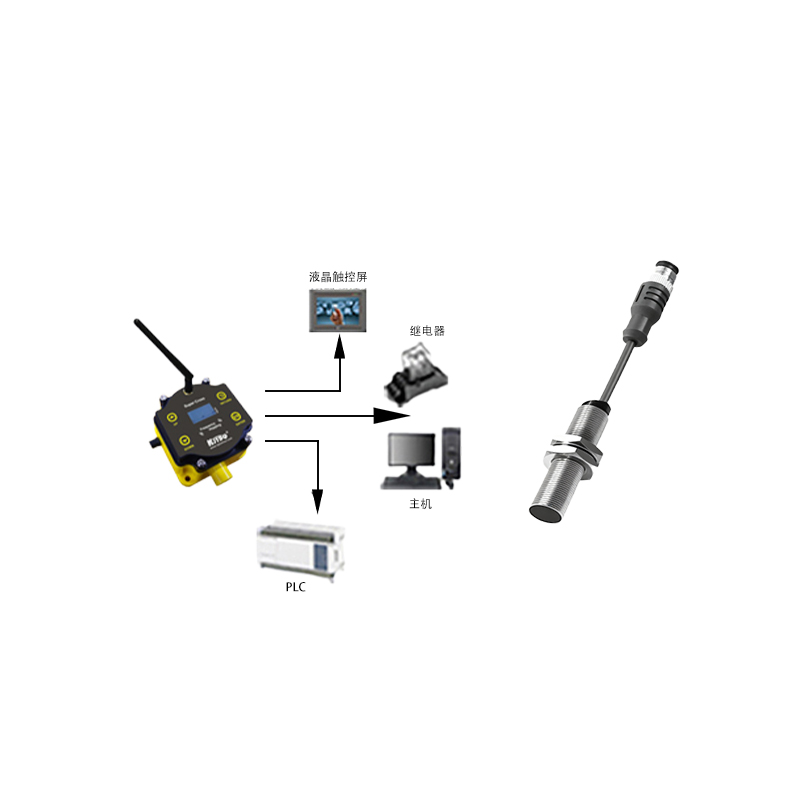
Understanding Capacitive Sensing Technology
Capacitive proximity sensors operate based on the principle of capacitance change. Each sensor contains an oscillator circuit that generates an electrostatic field. When an object enters this field, it alters the capacitance, causing a change in the oscillator's amplitude. This change is detected by the sensor's circuitry, which then triggers an output signal. Unlike inductive sensors, which only detect metals, capacitive sensors can sense any material that affects the dielectric constant of the sensing field. This versatility makes them ideal for applications involving non-conductive targets, such as detecting liquid levels through container walls or monitoring the presence of plastic components on a conveyor belt.
The 3-Wire Configuration Explained
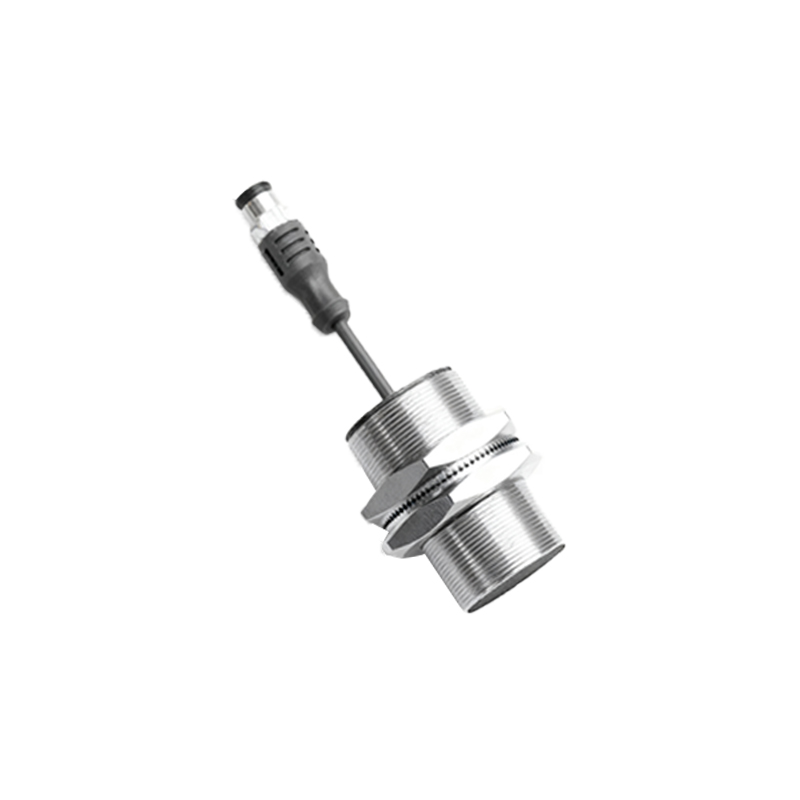
The 3-wire design is a common standard for DC-powered proximity sensors, including capacitive types. It typically consists of three leads: brown for positive supply voltage (V+), blue for negative or ground (V-), and black for the output signal. This configuration allows for easy connection to programmable logic controllers (PLCs) or other control devices. The output can be either normally open (NO) or normally closed (NC), providing flexibility in circuit design. A key advantage of the 3-wire system is its ability to source or sink current, depending on the PNP (sourcing) or NPN (sinking) transistor output. This ensures compatibility with a wide range of industrial control systems, enhancing the sensor's adaptability in various setups.
Benefits of the M12 Connector Standard
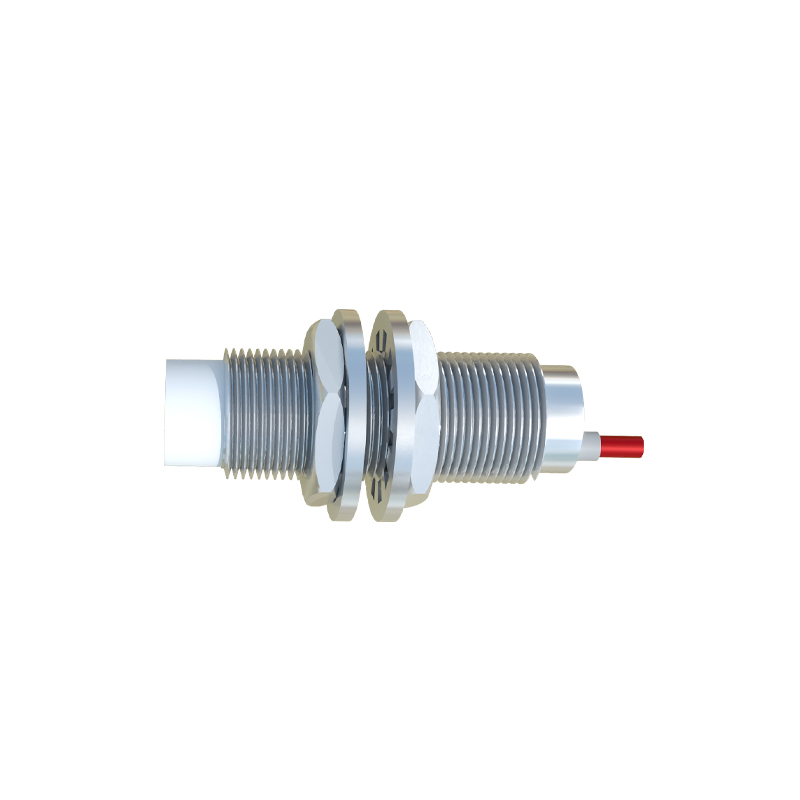
The M12 connector, characterized by its 12mm threaded coupling nut, has become an industry norm for sensor connectivity. Its compact size and robust construction make it highly resistant to vibration, moisture, and dust, which are common challenges in industrial settings. The M12 interface facilitates quick installation and replacement, reducing downtime during maintenance. For capacitive proximity sensors, the M12 connector often comes in 3-pin or 4-pin variants, with the 3-pin version perfectly suited for 3-wire sensors. This standardized connection ensures reliable signal transmission and power delivery, even in harsh environments like manufacturing floors or outdoor installations.
Key Features and Specifications
When selecting a 3-wire capacitive M12 proximity sensor, several specifications are crucial. The sensing range, typically between 2mm to 15mm for standard models, determines how close an object must be for detection. Factors like the target material and size can affect this range. Operating voltage usually ranges from 10-30V DC, accommodating most industrial power supplies. The output current capacity, often around 200mA, defines the load the sensor can drive. Additionally, features like short-circuit protection, reverse polarity protection, and LED status indicators enhance reliability and ease of use. Environmental ratings, such as IP67 (dust-tight and waterproof), ensure durability in demanding conditions.
Typical Applications in Industry
These sensors are employed across numerous sectors due to their versatility. In packaging machinery, they detect the presence of cardboard boxes or plastic bottles on production lines. In the food and beverage industry, they monitor liquid levels in tanks without direct contact, maintaining hygiene standards. Automotive assembly lines use them to verify the placement of non-metallic parts like rubber seals or glass windows. Their ability to sense through non-metallic walls also makes them suitable for container filling systems, where they prevent overflows by detecting material levels. The M12 connector's robustness further supports use in mobile equipment or areas with high vibration.
Installation and Wiring Guidelines
Proper installation is essential for optimal performance. Mount the sensor securely, ensuring the sensing face is unobstructed and aligned with the target path. Maintain the recommended sensing distance, accounting for any material-specific adjustments. For wiring, connect the brown wire to the positive DC supply, the blue wire to the negative or ground, and the black wire to the input of the control device. Always verify the output type (