Introduction to M12 Through-Beam Photoelectric Sensors
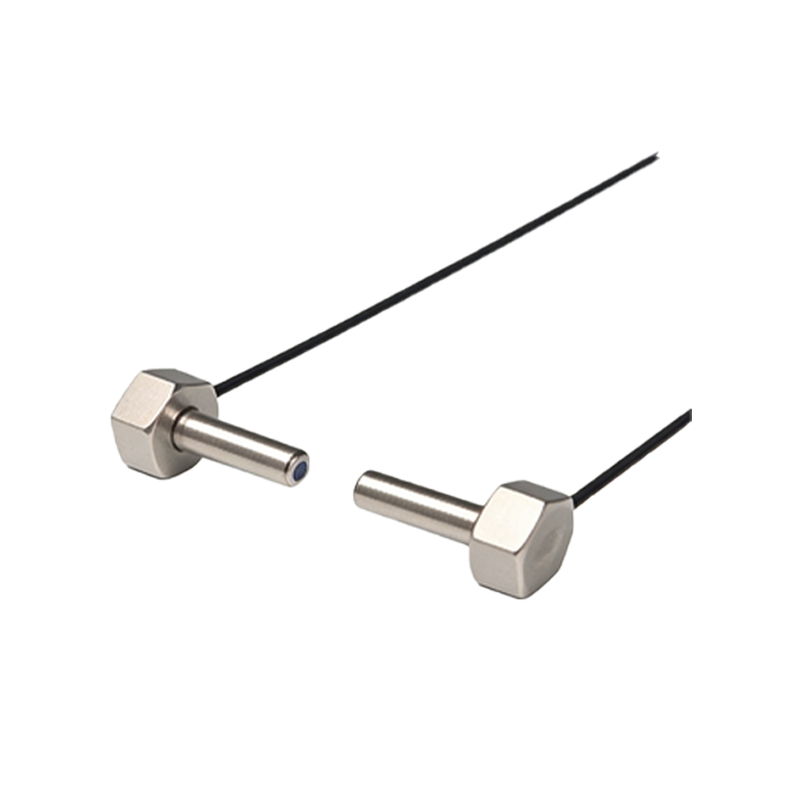
M12 through-beam photoelectric sensors, often referred to as opposed-mode sensors, represent a cornerstone technology in industrial automation. Characterized by their compact M12 threaded housing, these devices consist of two separate units: a transmitter and a receiver. The transmitter emits a focused beam of light—typically infrared, red, or laser—which is then detected by the receiver positioned directly opposite. An object is sensed when it physically interrupts this light beam. This fundamental operating principle grants through-beam sensors exceptional performance in terms of sensing range, reliability, and environmental immunity, making them indispensable for demanding applications across manufacturing, packaging, and material handling sectors.
Key Advantages and Operational Benefits
The primary advantage of the M12 through-beam configuration is its long, stable sensing distance. Since the light beam travels directly from emitter to detector, these sensors can achieve ranges significantly greater than diffuse or retro-reflective types, often exceeding 10 to 20 meters even with a small M12 form factor. This long range is coupled with high excess gain, meaning the sensor can reliably detect objects even if the lens becomes partially contaminated by dust, dirt, or moisture. Furthermore, the opposed-beam setup provides a very precise and consistent sensing point. The output switches precisely at the point of beam interruption, largely unaffected by the object's color, reflectivity, or surface texture. This results in highly reliable object detection, critical for high-speed counting, precise positioning, and safety edge applications.
Critical Technical Specifications and Selection Criteria
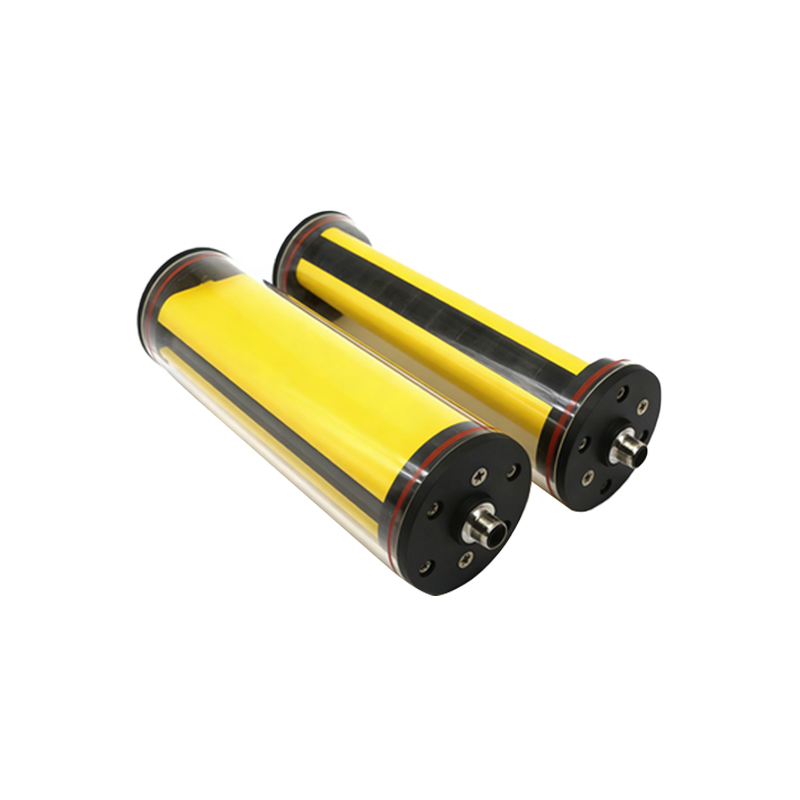
Selecting the correct M12 through-beam sensor requires careful analysis of several technical parameters. First, the sensing range must be specified based on the actual installation distance between the emitter and receiver. Second, the light source type is crucial: infrared LEDs offer the longest range and best ambient light immunity; red light versions provide a visible beam for easier alignment; and laser models deliver an extremely precise, collimated beam for detecting very small objects or for ultra-long-range tasks. Other vital specifications include response time, which must be fast enough for high-speed production lines; the type of electrical output (e.g., NPN, PNP, or analog); and the supply voltage rating (commonly 10-30V DC). Environmental protection ratings, denoted by IP67 or IP69K codes, are essential for sensors exposed to washdowns, oils, or outdoor conditions.
Common Industrial Applications and Use Cases
M12 through-beam sensors are deployed in a vast array of industrial scenarios. In packaging machinery, they are used for precise bottle or box counting on conveyor belts, ensuring accurate fill levels and packaging quantities. Within automated assembly lines, they detect the presence or absence of components, triggering robotic pick-and-place operations or verifying assembly completion. In material handling, they function as break-beam sensors to detect oversized packages, monitor bin levels, or act as safety curtains to protect personnel near robotic cells. Their robustness also makes them ideal for harsh environments, such as detecting logs in forestry equipment or monitoring product flow in food and beverage processing plants where equipment undergoes frequent cleaning.
Installation, Alignment, and Maintenance Best Practices
Proper installation is paramount for optimal sensor performance. The emitter and receiver must be securely mounted on stable surfaces, perfectly aligned along the same axis to ensure the beam is centered on the detector. Many models feature alignment indicators, such as LED status lights that change color or intensity when optimal alignment is achieved. During operation, regular maintenance involves keeping the lenses clean from buildup that could attenuate the light signal. It is also critical to ensure that the mounting hardware remains tight, as vibration can cause misalignment over time. For long-range applications, using a sensor with a visible light beam or a dedicated alignment tool can drastically reduce setup time and improve accuracy.
Comparison with Other Sensing Modes
Understanding how through-beam sensors differ from other photoelectric modes is key to proper application engineering. Diffuse (proximity) sensors contain the emitter and receiver in a single housing, detecting light reflected directly off the target. While more compact for installation, they have shorter ranges and are sensitive to the target's color and finish. Retro-reflective sensors bounce the beam off a reflector, offering a good compromise with longer ranges than diffuse types but can be fooled by shiny objects that reflect light directly. The through-beam method, with its separate units, provides the ultimate in range, accuracy, and environmental stability but requires mounting and wiring two separate devices, which can be a drawback in space-constrained applications.
Future Trends and Technological Developments
The evolution of M12 through-beam sensors continues to align with broader Industry 4.0 trends. Modern sensors are increasingly incorporating advanced diagnostics and communication capabilities. Features like IO-Link connectivity allow for remote parameter configuration, real-time monitoring of signal strength (excess gain), and predictive maintenance alerts, notifying operators of lens contamination or potential misalignment before a failure occurs. There is also a trend toward miniaturization without sacrificing performance, enabling integration into tighter machine designs. Furthermore, enhanced resistance to extreme temperatures, intense ambient light, and electromagnetic interference (EMI) is expanding their usability into more challenging environments, solidifying their role as a fundamental component in smart, connected factories.