Introduction to Proximity Switch Sensors in Rolling Mills
In modern steel manufacturing, particularly within Thermo-Mechanically Treated (TMT) rebar rolling mills, the demand for precision, reliability, and automation is paramount. Proximity switch sensors, as non-contact detection devices, play a critical role in monitoring and controlling various stages of the rolling process. These sensors detect the presence or absence of metallic objects—such as rebar strands, rollers, or guide mechanisms—without physical contact, thereby minimizing wear and preventing contamination. In the high-vibration, high-temperature, and dusty environments typical of TMT mills, robust proximity sensors ensure continuous operation by providing accurate positional feedback to Programmable Logic Controllers (PLCs). This feedback is essential for synchronizing machinery, preventing jams, and maintaining consistent product quality throughout the winding and coiling stages.
Key Operational Principles and Sensor Types
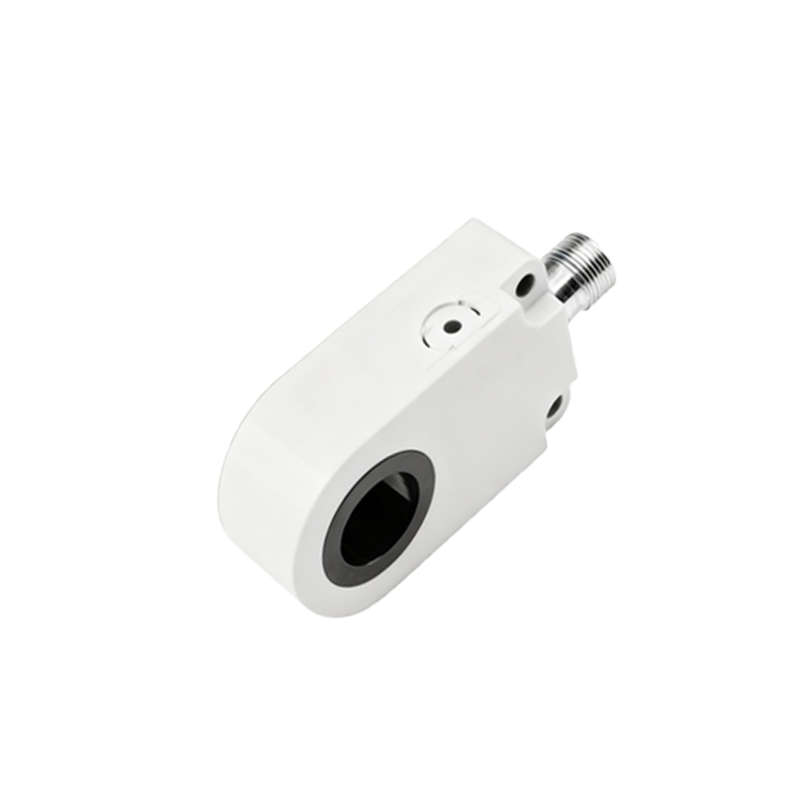
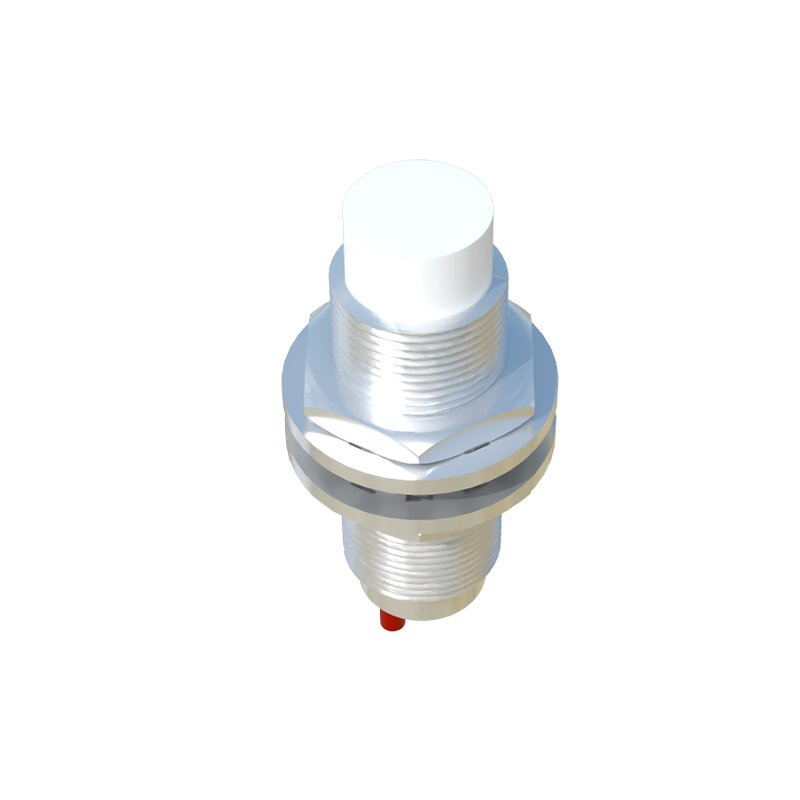
Proximity switches in TMT rolling mills primarily operate on inductive, capacitive, or magnetic principles, with inductive sensors being most common for detecting ferrous metals. An inductive proximity sensor generates an electromagnetic field; when a metallic target enters this field, it induces eddy currents, causing a change in oscillation amplitude that triggers the sensor's output. For TMT applications, sensors are selected based on factors like sensing distance, switching frequency, temperature tolerance, and housing material. Heavy-duty models with IP67 or higher ingress protection are standard to withstand coolant sprays, scale, and mechanical shocks. Additionally, high-temperature variants are employed near reheat furnaces or cooling beds, where ambient conditions can exceed standard operational limits. The choice between normally open (NO) and normally closed (NC) configurations depends on the safety and control logic of the winding system.
Applications in TMT Rebar Winding and Coiling Systems
Within the TMT mill's winding section, proximity sensors are strategically installed to oversee the rebar's progression from the finishing stand to the coiling machine. Key applications include loop control in laying heads, where sensors monitor the rebar loop size to ensure smooth entry into the coller. They also detect the end of a bar to initiate automatic cutting and coil ejection sequences. In automatic bundling systems, sensors verify the presence of strapping wires or the completion of a bundle before transfer. Furthermore, on the mandrel of the coller itself, sensors confirm proper coil formation and alert operators to potential overwind or underwind conditions. This real-time detection prevents costly downtimes and material waste, optimizing the entire winding process for high-speed production lines.
Integration with Automation and Control Systems
The effectiveness of proximity switches is amplified through seamless integration with mill automation systems. Typically connected to PLCs or Distributed Control Systems (DCS), these sensors provide digital signals that govern the logic of winding machinery. For instance, a sensor detecting a full coil on a mandrel may trigger the PLC to slow down the incoming rebar, activate the shear, and start the tying mechanism. Advanced setups employ networked sensors with IO-Link communication, enabling not only binary detection but also diagnostic data transmission, such as sensor health, temperature readings, and switch cycle counts. This predictive maintenance capability allows engineers to schedule replacements before failures occur, significantly enhancing overall equipment effectiveness (OEE) in the rolling mill.
Challenges and Selection Criteria for Harsh Environments
TMT rolling mills present a hostile operating environment characterized by extreme temperatures, pervasive metallic dust, vibration from heavy machinery, and electromagnetic interference. Proximity sensors must be meticulously chosen to endure these conditions. Key selection criteria include a robust stainless steel or nickel-plated brass housing, wide temperature ranges (often -25°C to 70°C or higher), high resistance to electrical noise, and immunity to adjacent metal interference (shielding). Sensing distance should account for target material and installation tolerances; a factor of 0.7 to 0.8 is typically applied to rated distances for reliable operation. Regular calibration and testing are advised, as buildup of scale or misalignment can lead to false triggers or missed detections, jeopardizing the winding process.
Maintenance and Troubleshooting Best Practices
To ensure longevity and accuracy, a proactive maintenance regimen for proximity sensors is essential. This includes periodic cleaning of sensing faces to remove iron oxide dust or oil deposits, checking mounting brackets for looseness due to vibration, and verifying electrical connections for corrosion. Troubleshooting common issues often involves using a multimeter to check output signals or a metal target to test responsiveness. If a sensor fails intermittently, environmental factors like temperature spikes or nearby welding operations should be investigated. Keeping spare sensors calibrated and on hand minimizes downtime. Additionally,