Introduction to Caohang Photoelectric Sensors
In the intricate world of industrial automation, the ability to detect objects with precision, speed, and reliability is paramount. Caohang photoelectric sensors have established themselves as critical components in this domain, offering robust solutions for a wide array of applications. These sensors operate on a fundamental principle: they emit a beam of light, typically from an LED, and detect changes in the received light signal caused by the presence or absence of a target object. This non-contact method of detection makes them ideal for environments where physical wear or contamination is a concern, ensuring long-term operational stability and minimal maintenance requirements. The versatility of Caohang sensors allows them to be deployed in packaging lines, material handling systems, assembly robots, and safety interlocks, forming the sensory backbone of modern smart factories.
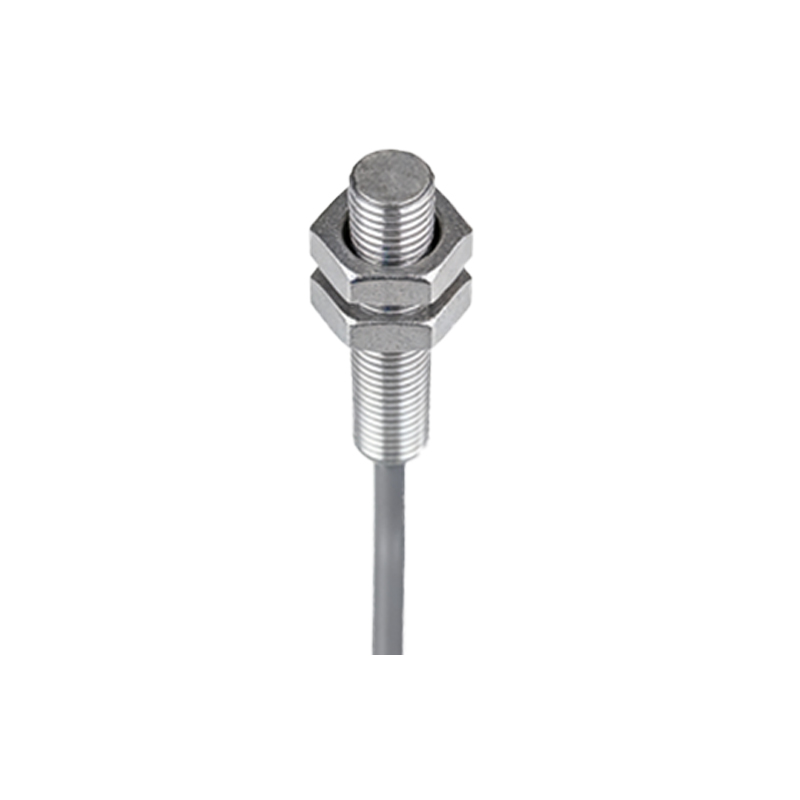
Core Technologies and Operating Modes
Caohang photoelectric sensors are available in several key operating modes, each tailored to specific environmental and application challenges. The through-beam, or opposed mode, consists of separate emitter and receiver units. It offers the longest sensing range and highest reliability, as the beam is only interrupted by the target. Retro-reflective sensors house both emitter and receiver in one housing, using a reflector to bounce the light back. They provide a good balance of range and ease of installation. Diffuse, or proximity, sensors detect light reflected directly from the target itself, making them compact and suitable for detecting objects at close range. Advanced models incorporate background suppression technology, which allows them to ignore distant objects or reflective backgrounds, and polarized filters to reliably detect shiny materials. These technological refinements underscore Caohang's commitment to solving complex sensing problems.
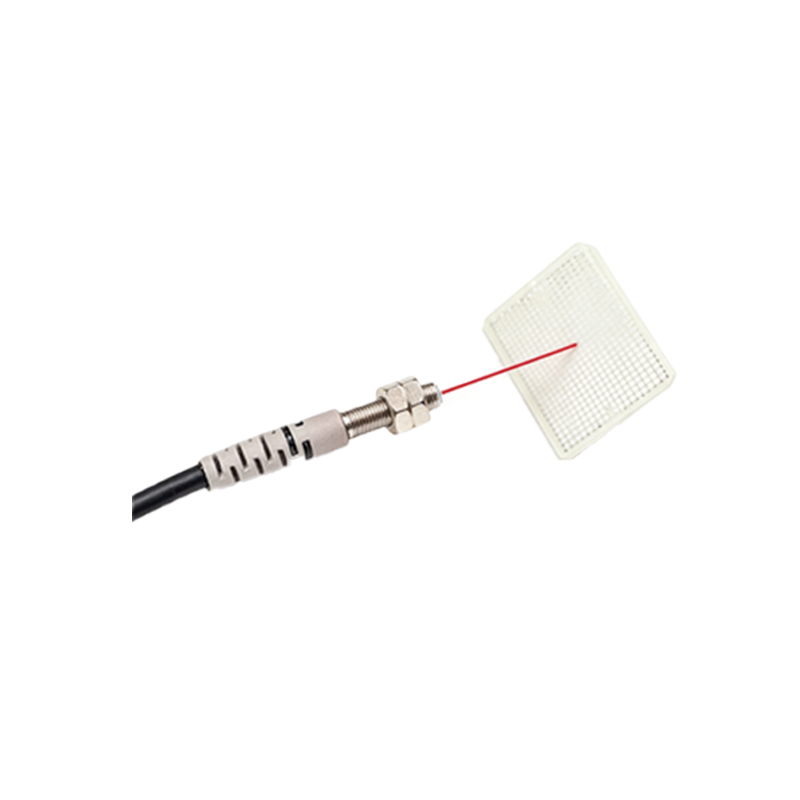
Key Features and Performance Specifications
The performance of Caohang photoelectric sensors is defined by a set of critical specifications. Sensing range is a primary consideration, varying from a few centimeters in diffuse models to several meters in through-beam configurations. Response time, often in the microsecond range, determines how quickly the sensor can detect a passing object, which is crucial for high-speed production lines. Many Caohang sensors feature adjustable sensitivity, allowing engineers to fine-tune the detection threshold to avoid false triggers from dust or ambient light. Housing materials are typically engineered from robust plastics or metals with high IP (Ingress Protection) ratings, such as IP67 or IP69K, ensuring resistance to water, oil, dust, and mechanical impact. This durability is essential for harsh industrial environments, from food processing plants to automotive welding shops.
Application Scenarios in Modern Industry
The practical applications of Caohang photoelectric sensors are vast and varied. In logistics and packaging, they are indispensable for counting products on conveyor belts, detecting jam-ups, and ensuring correct box positioning for labeling or sealing. Within automated assembly systems, these sensors verify the presence of components, check for correct orientation, and confirm the completion of process steps. In material handling, they control the filling levels in silos or detect the position of pallets on automated guided vehicles (AGVs). Furthermore, they play a vital role in safety, acting as light curtains or presence detectors to ensure machinery only operates when human operators are at a safe distance. This breadth of application highlights their role as enablers of efficiency, quality control, and workplace safety.
Selection Criteria and Installation Best Practices
Selecting the right Caohang photoelectric sensor requires a careful analysis of the application. Engineers must consider the target object's properties (size, color, material, surface finish), the required sensing distance, the environmental conditions (ambient light, temperature, contaminants), and the necessary output type (PNP/NPN, analog, IO-Link). Proper installation is equally critical for optimal performance. For through-beam sensors, precise alignment of the emitter and receiver is necessary. For diffuse sensors, the mounting position must account for the target's reflectivity and potential background interference. Cabling should be routed away from power lines to prevent electrical noise, and protective housings or brackets may be needed in areas with high vibration or risk of physical damage. Adhering to these best practices maximizes sensor lifespan and system uptime.
Advantages Over Alternative Sensing Technologies
Compared to other proximity sensing technologies like inductive or capacitive sensors, Caohang photoelectric sensors offer distinct advantages. Their primary strength is the ability to detect virtually any material—metal, plastic, glass, wood, or liquid—as long as it affects the light beam. Inductive sensors, in contrast, only detect metals. Photoelectric sensors also provide much longer sensing ranges. While ultrasonic sensors share this long-range capability and are unaffected by color or reflectivity, they generally have slower response times and can be influenced by temperature gradients or air turbulence. The non-contact nature of photoelectric sensing eliminates mechanical wear, making Caohang sensors a superior choice for high-cycle applications where reliability and reduced maintenance are key operational goals.
Future Trends and Integration with Industry 4.0
The evolution of Caohang photoelectric sensors is closely tied to the advancement of Industry 4.0 and the Industrial Internet of Things (IIoT). The next generation of sensors is becoming smarter and more connected. Features like IO-Link communication are becoming standard, allowing for bidirectional data exchange. This enables remote configuration, real-time monitoring of sensor health (predictive maintenance), and the transmission of process parameters beyond a simple on/off signal. Furthermore, advancements in laser diode technology and integrated circuitry are leading to sensors with even smaller form factors, higher precision, and enhanced resistance to challenging environmental conditions. As production systems demand greater flexibility and data transparency, Caohang photoelectric sensors are poised to be intelligent nodes within a fully networked industrial ecosystem.