Introduction to Coaxial Reflective Photoelectric Sensors
Coaxial reflective photoelectric sensors represent a sophisticated category of non-contact detection devices widely used in industrial automation. Unlike standard diffuse or retro-reflective sensors, these units feature a unique optical design where the light emitter and receiver are positioned along the same optical axis. This configuration is achieved through the use of a semi-transparent mirror or a beam splitter within the sensor head. The emitted light beam, typically from an LED or laser diode, travels outward along this central axis. When the beam strikes a target within its sensing range, a portion of the light is reflected back along the same path. This reflected light is then directed by the internal optical component onto the photoelectric receiver. This coaxial alignment is the key to their high precision and stability, making them exceptionally effective for detecting small, shiny, or highly reflective objects where other sensor types may fail.
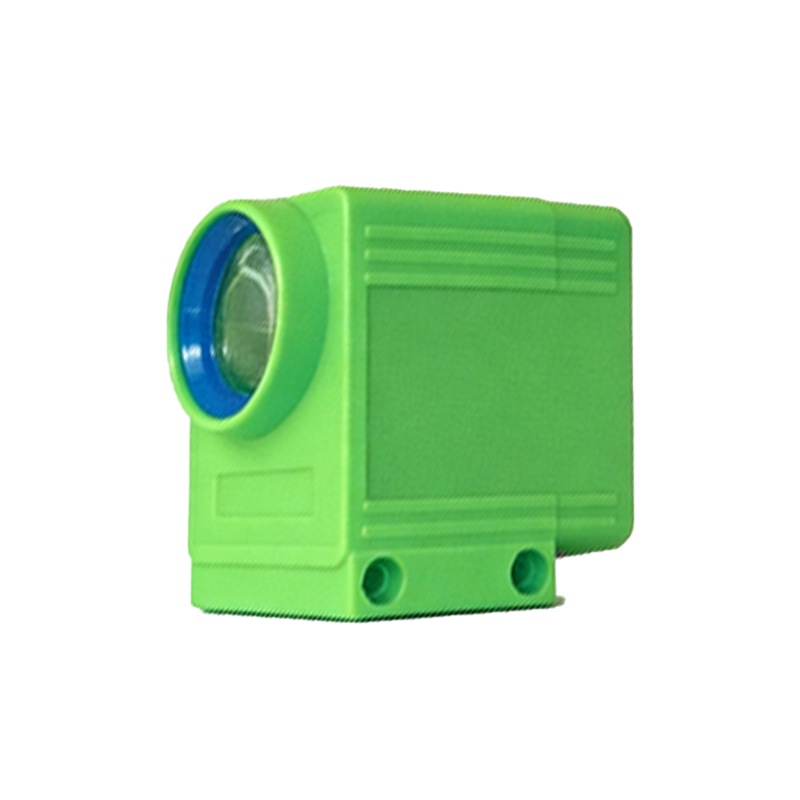
Core Operating Principle and Advantages
The fundamental principle hinges on the precise optical path. The internal beam splitter allows the transmitter and receiver to share the same lens system. When a target is present, the sensor evaluates the intensity of the returned light signal. A primary advantage is the significant reduction of background interference. Because the receiver only accepts light returning directly along the emission axis, stray reflections from surrounding surfaces are largely ignored. This results in excellent background suppression. Furthermore, these sensors exhibit remarkable consistency in detecting objects with varying surface properties, such as differences in color, texture, or reflectivity. They maintain a consistent sensing distance regardless of whether the target is matte black or mirror-like, a challenge for traditional diffuse sensors. Their compact, single-lens design also allows for a very small sensing spot, enabling the detection of minute components or precise edge positioning.
Key Technical Specifications and Performance Factors
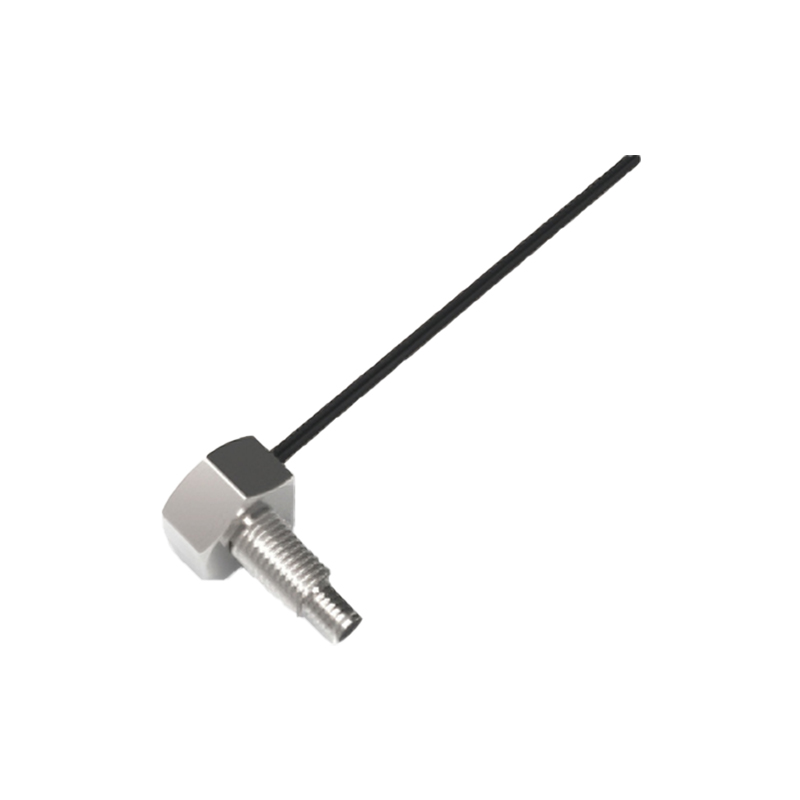
Several critical parameters define the performance of a coaxial reflective sensor. Sensing distance is a primary consideration, with models available for short-range precision work (a few millimeters) and longer ranges (tens of millimeters). Repeat accuracy, often in the micrometer range, is crucial for high-precision applications. The type of light source is another key factor; red LED lights are common and cost-effective, while laser diodes provide a smaller, more intense spot for ultra-precise detection. Response time, measured in microseconds, determines how fast the sensor can detect a passing object. Environmental ratings, such as IP67 or IP69K for dust and water resistance, and resistance to ambient light interference, are vital for reliable operation in harsh industrial settings. Understanding these specifications is essential for selecting the right sensor for a specific task.
Primary Industrial Applications and Use Cases
The unique capabilities of coaxial reflective sensors make them indispensable in numerous industries. In semiconductor and electronics manufacturing, they are used for wafer presence detection, chip counting, and verifying the placement of tiny, reflective components on printed circuit boards (PCBs). In the automotive sector, they ensure the precise positioning of pistons, bearings, and other metallic parts on assembly lines. They are also extensively used in packaging machinery to detect the presence of foil lids, transparent films, or highly reflective labels on products. Furthermore, their ability to ignore background objects makes them ideal for robotic guidance, where a robot arm needs to pick a shiny part from a bin without being confused by other parts or the bin's walls.
Guidelines for Selection and Installation
Selecting the appropriate coaxial sensor requires a systematic approach. First, clearly define the application: target material (metal, plastic, glass), size, required sensing distance, and environmental conditions (temperature, contaminants). For detecting very small features, a laser-based model with a tiny spot size is preferable. For applications involving different colored targets, ensure the sensor's stated operating margin can handle the lowest reflectivity expected. During installation, precise alignment is less critical than with through-beam sensors but remains important for optimal performance. Mount the sensor securely to minimize vibration, which can affect signal stability. Always refer to the manufacturer's datasheet for wiring diagrams, load specifications, and recommended setup procedures, including potentiometer adjustments for sensitivity or teach-in functions for setting the detection threshold.
Comparison with Other Photoelectric Sensor Types
It is instructive to compare coaxial reflective sensors to other common types. Standard diffuse sensors are simpler and cheaper but suffer from variations in sensing distance based on target color and are prone to background reflection issues. Retro-reflective sensors offer longer ranges but require a reflector and can be fooled by shiny objects passing between the sensor and reflector. Through-beam sensors provide the longest range and highest reliability but require separate emitter and receiver units, complicating installation. Coaxial sensors fill the niche where high precision, background suppression, and consistent detection of reflective or small targets are paramount, albeit often at a higher cost than basic diffuse models.
Maintenance, Troubleshooting, and Best Practices
To ensure long-term reliability, regular maintenance is advised. Keep the lens clean from dust, oil, or debris using appropriate cleaning materials to prevent signal attenuation. Periodically check the alignment and mounting stability. Common issues include failure to detect, intermittent operation, or false triggers. Troubleshooting should start with verifying power supply and connections. Check for changes in the target's surface condition or the presence of new reflective surfaces in the background. Use the sensor's indicator LED and, if available, diagnostic outputs to assess signal strength. Implementing best practices such as using shielded cables in electrically noisy environments and providing stable voltage supply will maximize sensor lifespan and performance.