Introduction to Non-Adjustable Photoelectric Sensors
In the realm of industrial automation, photoelectric sensors are indispensable components for object detection, positioning, and counting. Among the various types available, non-adjustable photoelectric sensors represent a specific category designed for simplicity and reliability. Unlike their adjustable counterparts, these sensors come with fixed sensing parameters, meaning their sensitivity, timing functions, and output configurations are preset at the factory and cannot be altered in the field. This design philosophy prioritizes ease of use, reduced installation complexity, and enhanced long-term stability in well-defined applications. They are engineered to perform consistently under specific, repeatable conditions without the need for manual calibration, making them ideal for high-volume production environments where uniformity is paramount.
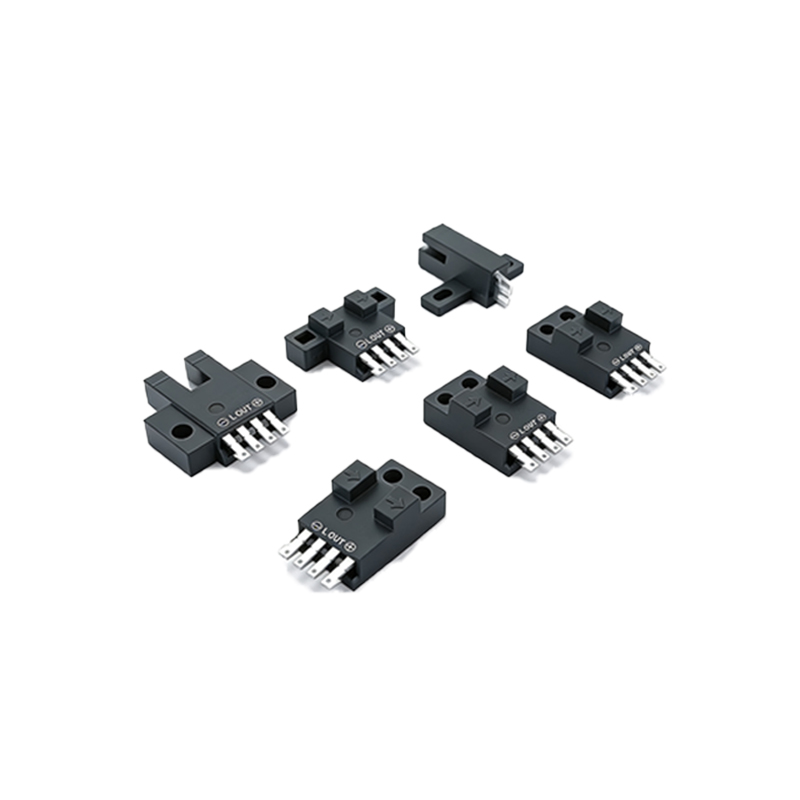
Core Operating Principles and Fixed Parameters
The fundamental operation of a non-adjustable photoelectric sensor is identical to standard types: it emits a beam of light (visible red, infrared, or laser) from a transmitter. A receiver then detects the presence or absence of this beam. The fixed nature refers to its operational parameters. The sensing range is precisely defined and unchangeable. The output, typically a digital ON/OFF signal from an NPN or PNP transistor, is set to a specific switching logic (light-on or dark-on). Furthermore, the hysteresis—the difference between the switch-on and switch-off points to prevent output chatter—is factory-calibrated. The response time is also fixed, optimized for the intended detection speed. This eliminates variables, ensuring every sensor of the same model behaves identically, which is crucial for quality control and system predictability.
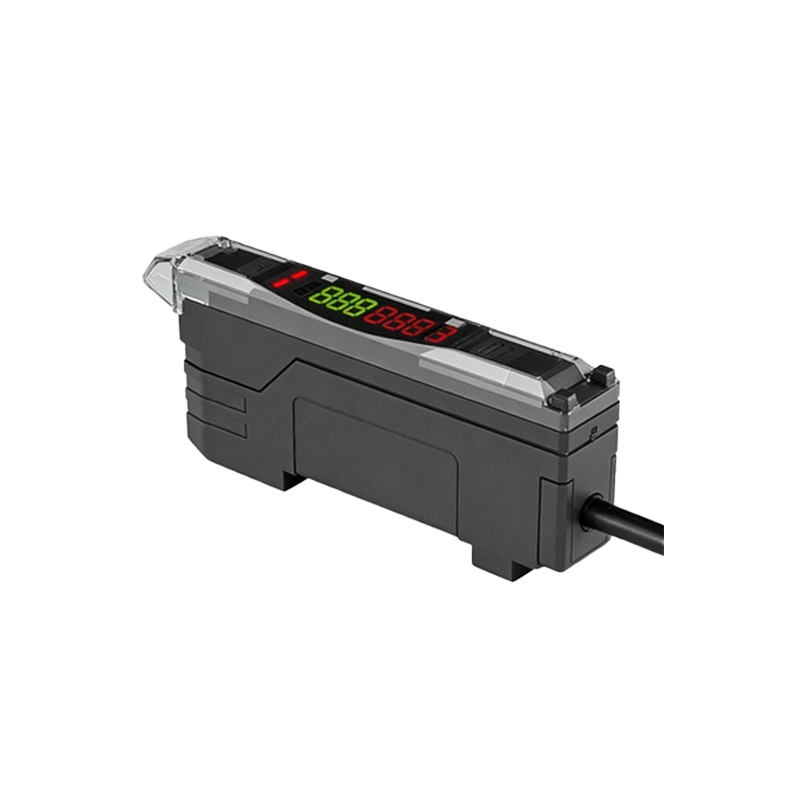
Key Advantages in Industrial Applications
The primary advantage of non-adjustable photoelectric sensors is their exceptional reliability and reduced potential for human error. Since there are no potentiometers or configuration buttons, settings cannot be accidentally altered by maintenance personnel or environmental vibrations. This leads to lower downtime and less need for skilled troubleshooting. They offer a faster, plug-and-play installation process, significantly reducing machine setup time. From a manufacturing and inventory perspective, using a single, fixed-specification sensor across a production line simplifies procurement and replacement logistics. Their robust design often translates to a higher degree of environmental sealing (IP ratings) as there are no external adjustment points to compromise the housing integrity.
Common Types and Typical Use Cases
Non-adjustable sensors are commonly found in diffuse (proximity), through-beam, and retro-reflective models. They excel in applications with consistent target characteristics. For example, in packaging machinery, a fixed-range diffuse sensor can reliably detect the presence of identical boxes on a conveyor. Through-beam sensors with a fixed beam are perfect for counting objects on a high-speed bottling line where the object size and path are constant. Retro-reflective sensors with a fixed sensing window are often used in door safety curtains or elevator positioning where the distance to the reflector is unchanging. Any scenario where the detection distance, target size, color, and ambient light conditions are stable and predictable is a suitable candidate for a non-adjustable solution.
Selection Criteria and Installation Best Practices
Selecting the correct non-adjustable sensor requires careful analysis of the application parameters. Engineers must precisely define the required sensing distance, ensuring it falls within the sensor's fixed range with a comfortable margin. The target's size, color, material, and surface finish must be compatible with the sensor's fixed optical characteristics. Environmental factors like dust, moisture, and temperature must align with the sensor's IP and operational ratings. During installation, precise mechanical alignment is critical, especially for through-beam and retro-reflective types, as the fixed parameters offer no forgiveness for misalignment. Ensuring a stable power supply and proper electrical wiring according to the datasheet is essential to achieve the promised performance and longevity.
Limitations and Considerations
The inherent limitation of non-adjustable photoelectric sensors is their lack of flexibility. They cannot adapt to changes in the application. If the target material changes color, the production line speed increases beyond the sensor's response time, or the mounting distance needs alteration, the sensor must be physically replaced with a different model. They are not suitable for prototyping, R&D environments, or applications with highly variable conditions. Furthermore, any drift in performance due to aging components or lens contamination cannot be compensated for via adjustment, potentially necessitating replacement. Therefore, a thorough and forward-looking application assessment is mandatory before commitment.
Conclusion: The Role of Fixed-Parameter Sensors
Non-adjustable photoelectric sensors are not a one-size-fits-all solution but a specialized tool for specific, well-controlled industrial tasks. Their value lies in delivering uncompromising reliability, operational consistency, and lower total cost of ownership in their designated niche. For engineers designing automated systems, understanding when to specify a fixed-parameter sensor versus an adjustable one is a key decision. By leveraging their strengths in stable, high-volume applications, companies can build more robust, maintainable, and efficient automation systems. As technology advances, even these "fixed" sensors are benefiting from improved LED life, better lens materials, and more resilient electronics, further solidifying their role on the factory floor.