External Housing and Material Composition
Infrared proximity sensors typically feature a compact and durable external housing designed to withstand industrial environments. The most common housing materials include engineering plastics such as ABS or polycarbonate, which offer excellent impact resistance and thermal stability. For harsh conditions, metal casings made of aluminum alloy or stainless steel are employed, providing enhanced protection against moisture, dust, and mechanical stress. The housing shape is often cylindrical or rectangular, with standardized dimensions to facilitate easy integration into machinery and equipment. A transparent or semi-transparent window, usually made of infrared-transmissive materials like polyimide or specialized glass, protects the internal optical components while allowing infrared light to pass through efficiently.
Optical Component Layout
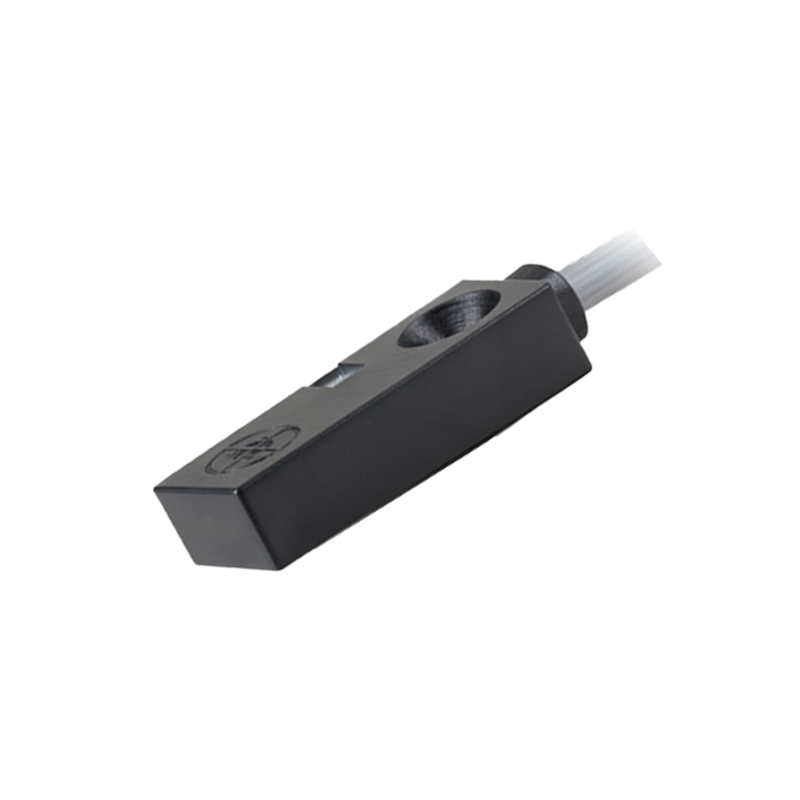
The front face of an infrared proximity sensor houses the key optical elements: an infrared LED emitter and a phototransistor or photodiode receiver. These components are arranged in precise configurations to optimize detection performance. In diffuse reflection sensors, the emitter and receiver are placed side-by-side, often separated by a physical barrier to minimize crosstalk. Through-beam sensors feature separate units for emission and reception, each with a focused lens to direct the infrared beam. The lenses are typically molded from acrylic or epoxy resins, designed to collimate or focus the infrared light. Some advanced models incorporate multiple emitters or receivers to expand the detection field or improve accuracy, resulting in a more complex but symmetrical front-end appearance.
Electrical Connection Interfaces
Connection interfaces are critical for sensor functionality and vary based on application requirements. Most infrared proximity sensors utilize standardized cable outlets or connector ports located at the rear or side of the housing. Common connector types include M8 or M12 circular connectors with three to five pins, providing secure connections for power, ground, and output signals. Alternatively, fixed cables with PVC or PUR sheathing extend directly from the sensor body, offering strain relief and flexibility. The wiring typically follows color-coding conventions: brown for positive voltage supply, blue for ground, and black or white for output signals. These design elements ensure quick installation and compatibility with industrial control systems.
Indicator Lights and Status Displays
Many infrared proximity sensors incorporate visual indicators to display operational status. A power-on LED, often colored green or red, illuminates when the sensor is energized. A separate signal LED, usually yellow or orange, activates when an object is detected within the sensing range. These LEDs are embedded behind small windows on the housing surface, providing clear visibility even in low-light conditions. Some models feature adjustable sensitivity potentiometers accessed via a small screw hole or rotary dial, allowing fine-tuning without disassembly. High-end sensors may include digital displays or multi-color LEDs that convey additional information such as signal strength or diagnostic alerts.
Mounting Features and Accessories
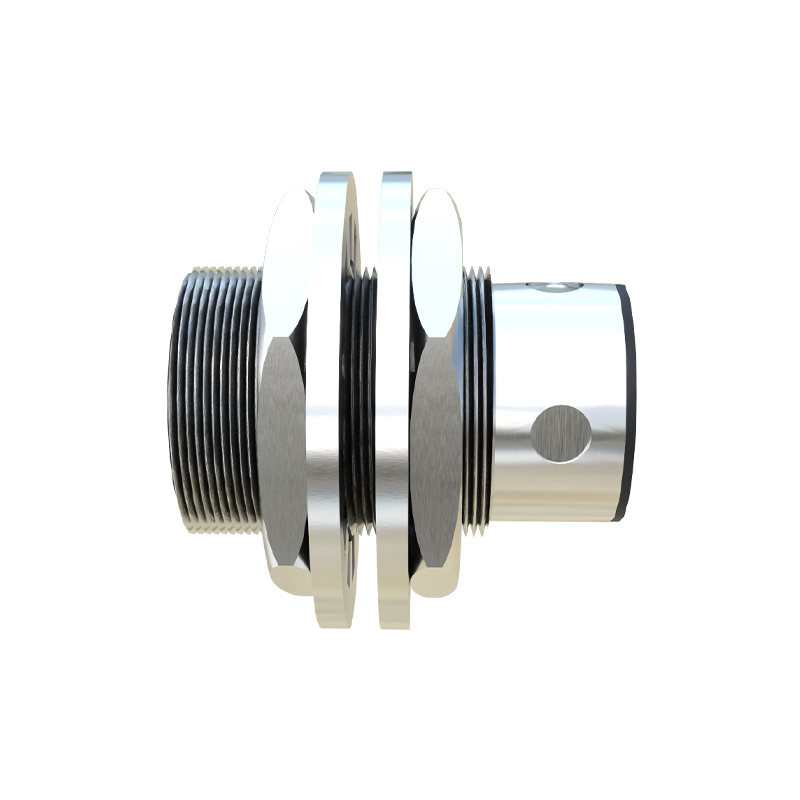
To ensure stable installation, infrared proximity sensors are equipped with various mounting mechanisms. Threaded barrels with standard sizes like M8, M12, or M18 allow direct screw-in mounting to brackets or machine frames. Bracket mounts with slotted holes enable adjustable positioning along multiple axes. Flange-mounted sensors offer flat surface attachment using screws or adhesives. Additionally, protective accessories such as mounting nuts, lock washers, and protective caps are often included to enhance durability and alignment. The design prioritizes modularity, enabling easy replacement or upgrades in automated systems without extensive reconfiguration.
Environmental Sealing and Protection Ratings
The external design of infrared proximity sensors emphasizes robustness against environmental challenges. Most industrial-grade sensors achieve an IP67 or IP68 rating, indicating complete protection against dust ingress and temporary or prolonged immersion in water. Sealing is accomplished through O-rings, gaskets, and ultrasonic welding between housing components. The optical window is hermetically sealed to prevent fogging or contamination. In corrosive environments, sensors may feature chemical-resistant coatings or materials such as PTFE. These protective measures ensure reliable performance in diverse settings, from clean rooms to outdoor applications, without compromising the sensor's sleek, functional appearance.