What Are Garage Proximity Sensors?
Garage proximity sensors are sophisticated electronic devices designed to detect the presence or absence of objects within a defined range without any physical contact. Primarily installed in residential and commercial garage door systems, these sensors operate by emitting an electromagnetic field or a beam of radiation (often infrared). When an object, such as a vehicle, person, or pet, enters this field, it causes a detectable change. The sensor then sends a signal to the garage door opener's control unit. This technology is a critical component of modern automated garage systems, moving beyond simple mechanical switches to provide intelligent, non-contact detection for enhanced safety and operational reliability.
Core Functions and Primary Uses
The fundamental utility of garage proximity sensors lies in their dual role of preventing accidents and enabling automation. Their most recognized function is acting as a safety reversal mechanism. Modern safety standards mandate that all automatic garage door openers must include this feature. If the sensor beam, typically positioned near the floor on both sides of the door, is interrupted while the door is closing, the system immediately halts and reverses the door's motion. This prevents the door from closing on a vehicle, child, or pet, effectively avoiding potential injury or property damage. Beyond safety, these sensors are integral to "smart" automation, allowing doors to open automatically as a vehicle approaches or to confirm that a door has fully closed, sending alerts if it remains open.
Enhancing Home Security
Security is a paramount concern for homeowners, and garage proximity sensors contribute significantly. An open or insecure garage door is a major vulnerability, providing easy access to your home and belongings. Proximity sensors work in tandem with security systems to monitor the status of the garage door. They can trigger alarms if the door is opened unexpectedly or at an unusual time. Furthermore, when integrated with a home automation hub, these sensors can send real-time notifications to a smartphone, informing the homeowner if the door is left ajar. This constant monitoring deters potential intruders and provides peace of mind, knowing that one of the largest entry points to the home is securely managed.

Improving Convenience and Automation
The convenience factor offered by advanced proximity sensors cannot be overstated. For systems equipped with vehicle detection, the garage door can open automatically as the homeowner's car approaches, eliminating the need to search for a remote or use a smartphone app in inclement weather. This hands-free operation is a hallmark of modern smart homes. Additionally, sensors can be used to control interior and exterior lighting, turning on lights as a person or vehicle enters the garage space. This automation streamlines daily routines, enhances accessibility for individuals with mobility challenges, and adds a layer of sophisticated, effortless control to the home environment.
Types of Proximity Sensors for Garages

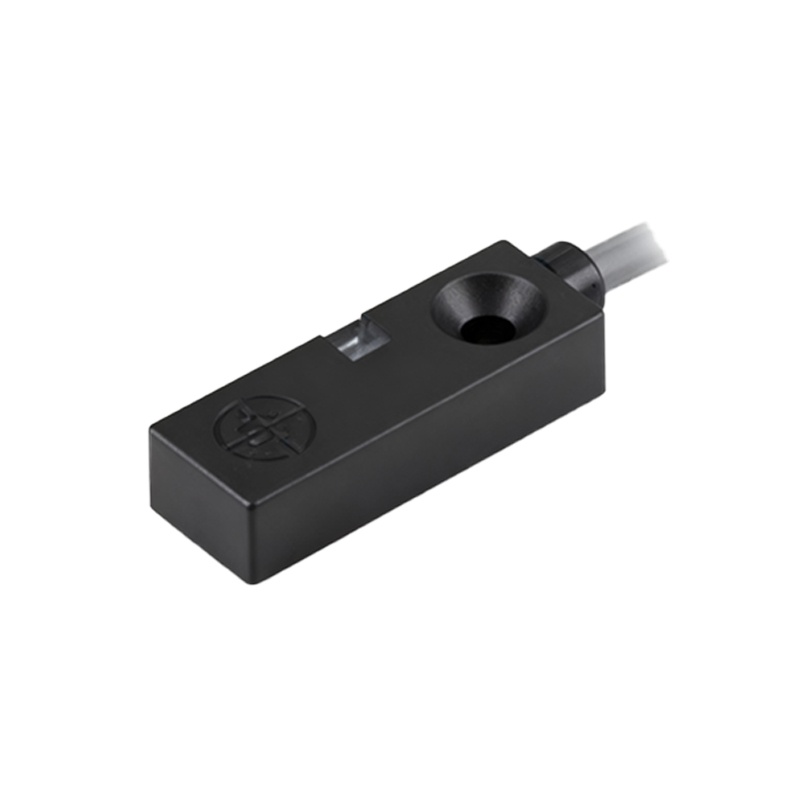
Several sensor technologies are employed in garage applications, each with specific advantages. The most common is the photoelectric sensor, which uses an infrared beam between a transmitter and a receiver. Inductive proximity sensors are another type, often used to detect metal objects like vehicles at a short range, useful for vehicle presence detection on the driveway. Ultrasonic sensors measure the reflection of sound waves to detect objects and are less susceptible to environmental factors like dust. Capacitive sensors can detect both metallic and non-metallic objects. The choice depends on the required detection range, environmental conditions, and the specific application, whether for safety reversal, vehicle presence, or occupancy detection.
Installation and Maintenance Considerations
Proper installation is crucial for the reliable operation of garage proximity sensors. Safety beam sensors must be aligned perfectly; even a slight misalignment can cause nuisance faults or, worse, a failure to detect an obstruction. They should be mounted no higher than six inches above the garage floor to ensure they can detect small objects. Wiring must be secure and protected from physical damage. Maintenance is generally minimal but important. Lenses should be kept clean from dirt, spider webs, and ice buildup, which can block the infrared beam. Regularly testing the safety reversal feature by placing an object like a roll of paper towels in the door's path is a recommended monthly practice to ensure ongoing safety compliance.
Integration with Smart Home Systems
Today's garage proximity sensors are increasingly designed for seamless integration into broader smart home ecosystems. They can connect via Wi-Fi, Zigbee, or Z-Wave protocols to central hubs like Amazon Alexa, Google Home, or Apple HomeKit. This integration unlocks advanced functionalities. Users can create automation routines, such as having the garage lights turn on and the door unlock when the sensor detects arrival after sunset. Security cameras can be triggered to record when motion is detected in the garage. The sensor's status can be monitored remotely, and users