Introduction to Photoelectric Sensors in Bulk Handling
In the demanding world of bulk material handling, circular stacker reclaimers stand as engineering marvels, orchestrating the continuous storage and retrieval of materials like coal, iron ore, and limestone. At the heart of their precise and reliable operation lies a suite of sophisticated control systems, with photoelectric sensors playing a pivotal, often understated role. These non-contact sensing devices, which utilize light beams to detect the presence, absence, or position of an object, are critical for automation, safety, and operational efficiency. Unlike mechanical limit switches prone to wear in harsh, dusty environments, photoelectric sensors offer a robust and maintenance-friendly solution. Their ability to function without physical contact with the target material makes them ideal for the abrasive and particulate-laden atmospheres typical of ports, power plants, and steel mills where these massive machines operate. This article delves into the specific applications, selection criteria, and maintenance best practices for photoelectric sensors in circular stacker reclaimers.
Core Applications on the Circular Machine
The circular stacker reclaimer's unique radial travel path presents specific challenges that photoelectric sensors are uniquely equipped to solve. One primary application is position detection for the slew mechanism. Retro-reflective or through-beam sensors are strategically mounted to detect reference points on the circular rail or stationary structure, providing precise angular position feedback. This ensures the machine's boom is accurately aligned for stacking in concentric circles or reclaiming from specific stockpile segments. Another critical use is in limit switching for the boom's luffing (raising/lowering) motion. Sensors prevent the bucket wheel or boom from exceeding safe travel limits, protecting against structural damage. Furthermore, they are indispensable for detecting the presence of material on the central conveyor. A through-beam sensor mounted across the conveyor chute can detect blockages or verify material flow, triggering alarms or automatic shutdowns to prevent spillage and belt damage. On the bucket wheel itself, sensors can monitor rotation speed or detect missing buckets, providing vital data for predictive maintenance.
Sensor Types and Selection for Harsh Environments
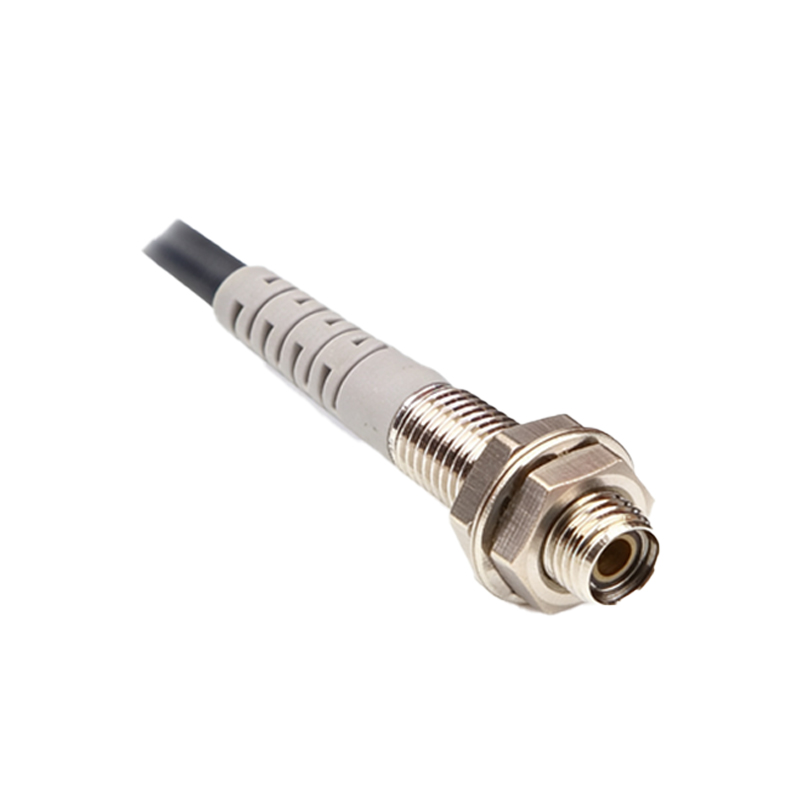
Selecting the correct type of photoelectric sensor is paramount for reliable performance. The three main types—through-beam, retro-reflective, and diffuse—each have their place. Through-beam sensors, with a separate emitter and receiver, offer the longest sensing range and highest reliability for critical applications like conveyor flow monitoring, as they are less affected by dust accumulation on the lens. Retro-reflective sensors, which bounce a beam off a reflector, are excellent for position detection over moderate distances, such as slew home position finding. Diffuse sensors, which detect light reflected directly from the target, are suitable for short-range detection, like verifying the position of a mechanical latch. For the extreme conditions, sensors must have high Ingress Protection (IP) ratings (e.g., IP67 or IP69K) to resist dust and water ingress. The housing should be made of robust, corrosion-resistant materials like stainless steel. The light source is also crucial; while traditional infrared is common, laser-based sensors provide a more focused beam for precise long-range detection, and background suppression models can ignore distant reflective backgrounds like metal structures.
Overcoming Environmental Challenges: Dust and Vibration
The operating environment is the greatest adversary of any sensor on a stacker reclaimer. Continuous clouds of fine, abrasive dust can coat lens surfaces, attenuating the light beam and causing false signals or failures. To combat this, sensors with built-in air purge connections are highly recommended. A constant flow of clean, dry air across the lens creates a positive pressure barrier, keeping dust at bay. Additionally, models with automatic lens contamination monitoring (often indicated by a separate alarm output) can alert operators before a failure occurs, enabling proactive cleaning. Vibration from the machine's movement and the impact of heavy materials is another concern. Sensors must be mounted securely using anti-vibration brackets, and their internal components should be designed to withstand constant shock and vibration. Choosing sensors with robust, threaded metal housings and secure cable glands ensures physical integrity. Regular inspection of mounting hardware for loosening is a simple but essential maintenance task.
Integration with Control Systems and Diagnostics
Modern photoelectric sensors are intelligent devices that integrate seamlessly with the reclaimer's Programmable Logic Controller (PLC) or distributed control system. They typically offer both digital (ON/OFF) and analog (e.g., 4-20mA) output signals, providing not just presence detection but also signal strength information that can indicate gradual lens contamination. The use of sensors with IO-Link or other industrial communication protocols is becoming increasingly prevalent. This allows for remote configuration, real-time parameter monitoring (like received light intensity), and advanced diagnostics from the control room. Technicians can identify a weakening signal trend or a misaligned sensor without physically accessing the machine, significantly reducing troubleshooting time and enhancing overall system availability. This level of integration is key for implementing Industry 4.0 principles in bulk handling, enabling data-driven decision-making for maintenance and optimization.
Maintenance and Troubleshooting Best Practices
A proactive maintenance regimen is essential to maximize sensor lifespan and reliability. The cornerstone of this regimen is regular, scheduled cleaning of lens surfaces using appropriate, non-abrasive materials and cleaners compatible with the lens material. Inspecting cables and connectors for wear, corrosion, or damage from mechanical stress is equally important. During troubleshooting, a systematic approach is required. First, verify the power supply to the sensor. Next, use the sensor's built-in LED indicators (present on most models) to check its operational status—a stable light typically indicates proper operation, while a blinking light may signal misalignment, weak signal, or contamination. For alignment checks, especially for through-beam or retro-reflective types, a precise laser alignment tool is invaluable. Keeping a log of sensor performance and failure events can help identify patterns and preempt future issues, contributing to a more reliable and efficient material handling operation.