Introduction to Photoelectric Sensors in Inkjet Coding
Photoelectric sensors are integral components in modern industrial inkjet coding systems, often referred to as "friendly" coders due to their user-friendly interfaces and reliable performance. These sensors function as the eyes of the coder, detecting the presence, position, and movement of products on a production line. By emitting a beam of light—typically infrared, visible red, or laser—and measuring the reflection or interruption of that beam, photoelectric sensors provide critical real-time data to the coder's control system. This data ensures precise inkjet placement, consistent print quality, and efficient line operation, making them indispensable in industries such as food and beverage, pharmaceuticals, cosmetics, and logistics where accurate coding and marking are paramount for traceability and compliance.
Core Operating Principles and Types
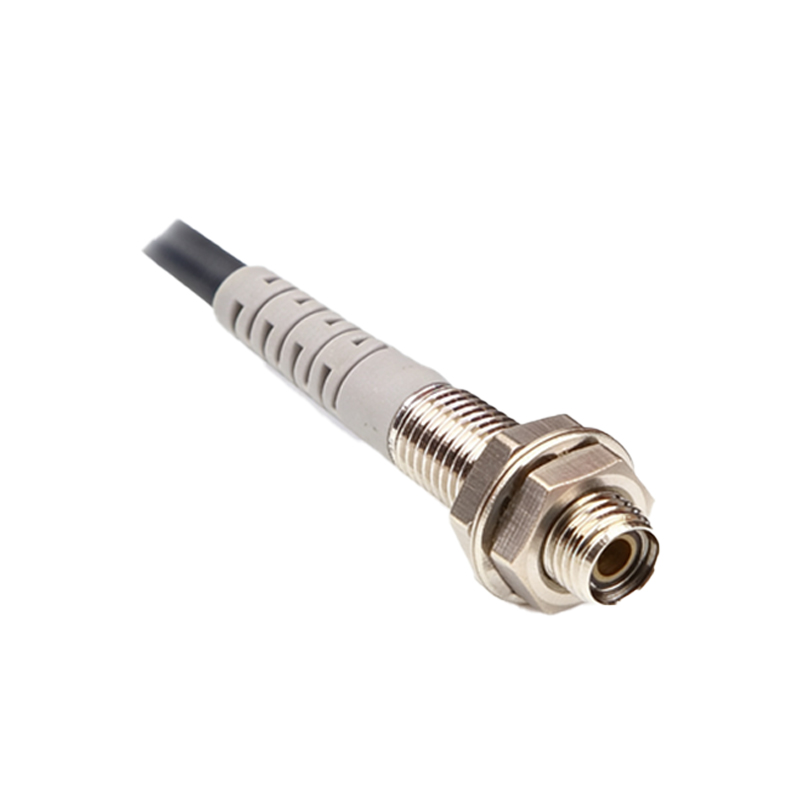
The fundamental principle behind a photoelectric sensor involves a light emitter and a receiver. The emitter projects a light beam toward a target or a background. The receiver then detects changes in the light pattern. There are three primary sensing modes utilized in friendly inkjet coders. The through-beam (or opposed) mode employs separate units for the emitter and receiver, positioned opposite each other. Detection occurs when the product breaks the light beam between them, offering the longest sensing range and highest reliability for clear object detection. The retro-reflective mode uses a single unit containing both emitter and receiver, along with a reflector. The sensor detects an object when it interrupts the beam reflected back from the reflector. This mode simplifies installation but can be sensitive to shiny objects. Finally, the diffuse (or proximity) mode relies on the reflection of light directly off the target object itself back to the receiver within the same housing. This self-contained design is compact and ideal for detecting objects at close range without additional hardware, though sensing distance and performance can vary with the object's color and surface texture.
Key Specifications for Optimal Selection
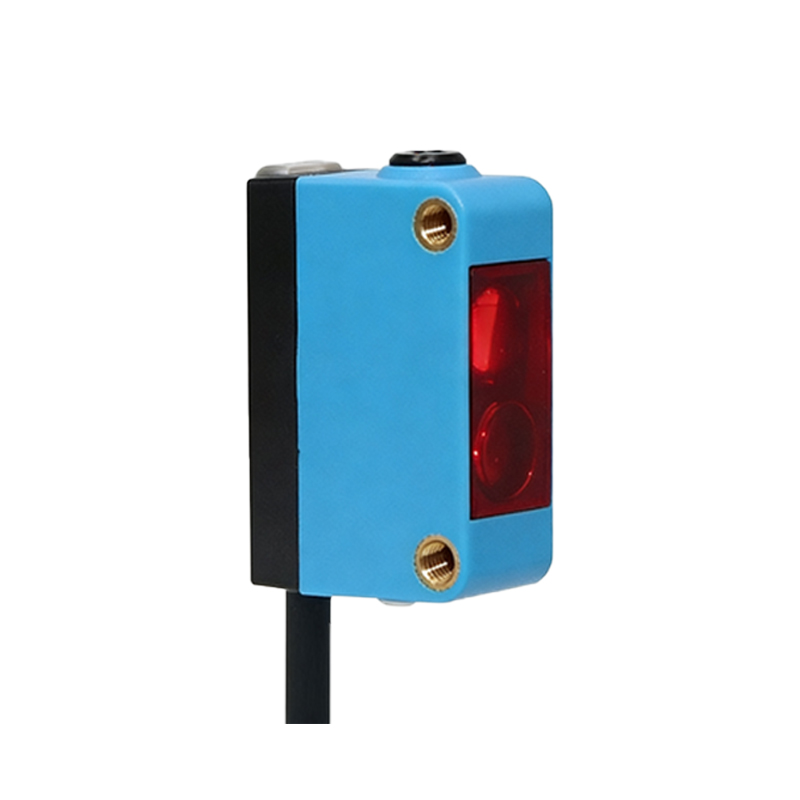
Selecting the correct photoelectric sensor for an inkjet coder application requires careful analysis of several technical specifications. Sensing range, the maximum distance at which the sensor can reliably detect an object, is crucial and varies by type. Response time, the speed at which the sensor can detect a change and send a signal, must be fast enough to match high production line speeds to prevent missed triggers. Light source type is another key factor; infrared LEDs are common for immunity to ambient light, visible red LEDs aid in easier alignment, and laser diodes provide a precise, narrow beam for detecting small objects or precise edges. Environmental factors like IP (Ingress Protection) rating for dust and water resistance, operating temperature range, and resistance to electrical noise or vibration are vital for ensuring longevity in harsh industrial environments. Additionally, output type—whether NPN, PNP, or a digital communication protocol—must be compatible with the coder's input module.
Integration with Inkjet Coder Control Systems
The true value of a photoelectric sensor is realized through its seamless integration with the inkjet coder's programmable logic controller (PLC) or mainboard. The sensor's output signal acts as the primary trigger for the printhead. When a product is detected, the sensor sends a discrete signal to the controller. The controller, using pre-programmed logic that accounts for the sensor's position along the conveyor and the line speed, calculates the exact moment to fire the ink droplets, ensuring the code is printed in the correct location on every product. Advanced systems may use multiple sensors for functions like product differentiation, gap detection between items, or verifying the presence of a label before printing. This tight integration allows for automated, high-speed, and error-free coding, which is essential for modern manufacturing efficiency.
Common Challenges and Troubleshooting Practices
Despite their robustness, photoelectric sensors in coding applications can face operational challenges. Misalignment is a frequent issue, where the emitter and receiver (or reflector) are not properly aligned, causing false triggers or failure to detect. Regular checks and secure mounting are essential. Accumulation of dust, dirt, or product residue on the sensor lens or reflector can attenuate the light beam, leading to unreliable performance. Implementing a routine cleaning schedule is a simple yet effective preventive measure. Electrical interference from nearby motors, variable frequency drives, or welding equipment can disrupt sensor signals. Using shielded cables, proper grounding, and physical separation from noise sources can mitigate this. Furthermore, environmental conditions like heavy fog, steam, or extreme ambient light can interfere with certain light wavelengths. Selecting sensors with modulated light (which ignores constant ambient light) or specific spectral ranges suited to the environment is critical during the initial design phase.
Maintenance and Future Trends
Proactive maintenance is key to maximizing the uptime and service life of photoelectric sensors in inkjet coding systems. This includes periodic visual inspection for physical damage, cleaning optical components with appropriate solvents, verifying alignment, and checking electrical connections for corrosion or looseness. Technicians should also monitor performance logs if available, watching for an increase in missed triggers or false signals, which can indicate a degrading sensor. Looking forward, trends in sensor technology are enhancing friendly coders. The integration of IO-Link communication allows for advanced diagnostics, parameter setting via software, and condition monitoring, enabling predictive maintenance. Furthermore, the development of background suppression sensors with finer resolution allows for reliable detection of objects regardless of color or surface, and miniaturized designs enable integration into increasingly compact coding systems for flexible packaging and small-part marking.