Introduction to 7.1 Proximity Sensors
In the realm of industrial automation, 7.1 proximity switch sensors represent a critical category of non-contact detection devices. Characterized by their compact cylindrical housing with a standard 7.1mm diameter, these sensors are engineered for precision and reliability in confined spaces. Unlike mechanical limit switches, they detect the presence or absence of a target object without physical contact, thereby eliminating mechanical wear and enabling high-speed operation. The "7.1" designation primarily refers to the thread size (typically M7.1x1 or similar), which is a common standard for miniaturized sensor installations in European and global markets. This form factor makes them indispensable in applications where space is at a premium, such as in small machinery, robotic grippers, and precision assembly lines.
Operating Principles and Technologies
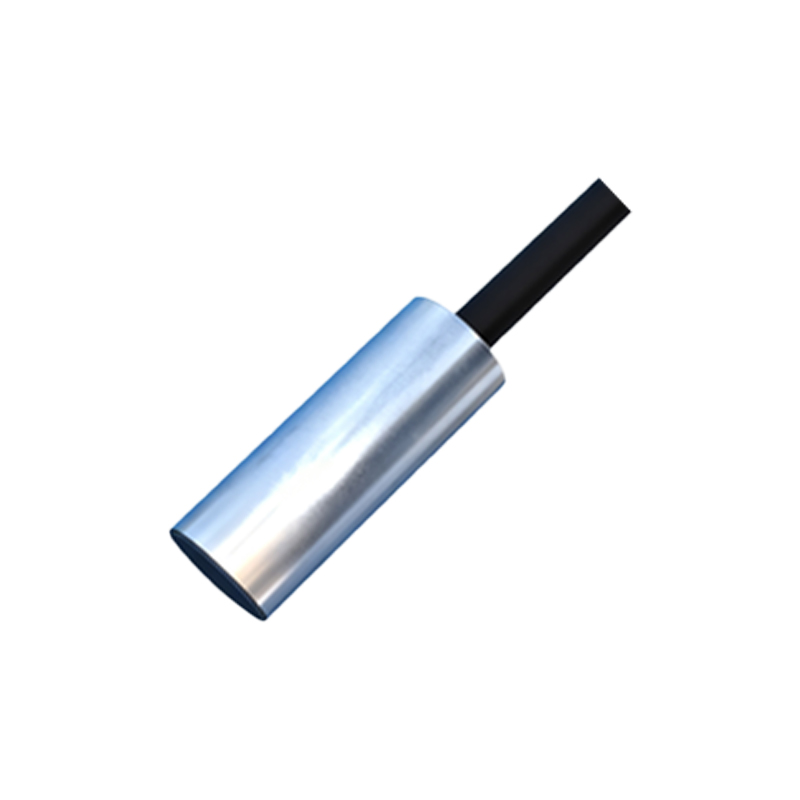
7.1 proximity sensors are available in several core technologies, each suited for different material types and environmental conditions. Inductive proximity sensors are the most prevalent type within this size. They generate an electromagnetic field from a coil and oscillator. When a metallic target enters this field, it induces eddy currents, causing a change in the oscillation amplitude. This change is detected by the sensor's circuitry, triggering a solid-state output switch. Capacitive 7.1 sensors operate on a similar principle but can detect both metallic and non-metallic materials (plastics, liquids, wood) by sensing changes in capacitance. While less common in the 7.1 size due to typically shorter sensing ranges, photoelectric versions also exist, using a tiny infrared LED and phototransistor to detect objects by light beam interruption or reflection.
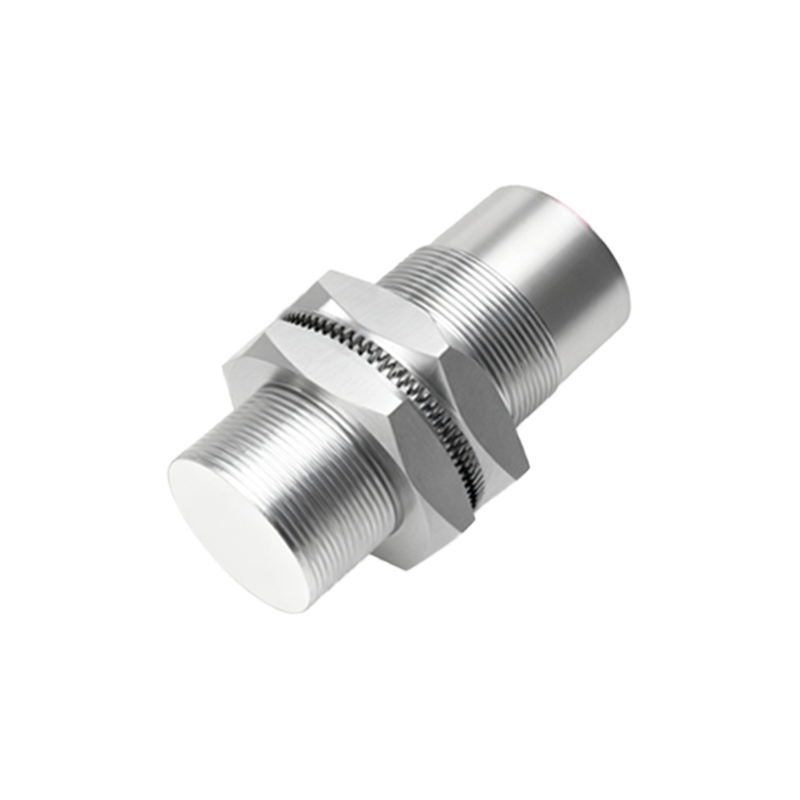
Key Electrical Specifications and Output Types
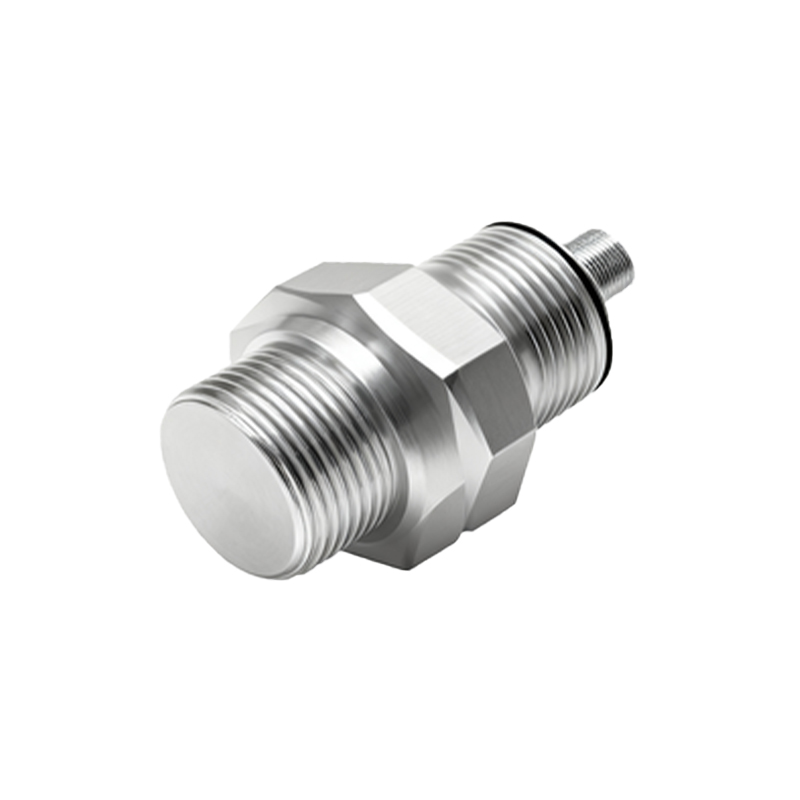
Understanding the electrical characteristics is paramount for system integration. Most 7.1 proximity switches operate on DC voltages, commonly 10-30V DC, though some AC/DC universal models are available. The output configuration is a crucial selection criterion. Two-wire sensors are simple to wire, acting like a switch in series with the load, but they have a residual leakage current. Three-wire sensors (PNP or NPN) are more standard, offering a clear switching signal (sourcing or sinking) to programmable logic controllers (PLCs) with minimal leakage. The output can be normally open (NO) or normally closed (NC). Key parameters include the nominal sensing distance (Sn), often between 0.5mm to 2mm for inductive 7.1 models, hysteresis, repeat accuracy, and switching frequency, which can exceed 1 kHz, allowing for detection of very fast-moving parts.
Environmental Ratings and Housing Materials
The robustness of a 7.1 proximity sensor is defined by its housing material and ingress protection (IP) rating. Stainless steel housings, particularly V4A (AISI 316), offer superior resistance to corrosive chemicals, coolants, and washdown procedures, making them ideal for food processing, pharmaceutical, and marine applications. Brass or nickel-plated brass housings provide good general-purpose protection. A high IP rating, such as IP67 or IP69K, is essential. IP67 guarantees protection against temporary immersion in water, while IP69K certifies the sensor can withstand high-pressure, high-temperature jet cleaning. This ensures reliable operation in harsh industrial environments where exposure to dust, oil, and moisture is inevitable.
Application Scenarios and Installation Best Practices
The primary advantage of the 7.1 form factor is its ability to be installed in extremely tight locations. Common applications include end-position detection on miniature pneumatic cylinders, monitoring the presence of tiny components (screws, springs) in vibratory feeders, tool breakage detection in compact drilling units, and position verification in small robotic assemblies. For optimal performance, correct installation is critical. Engineers must ensure the sensor is mounted securely using its thread, maintaining the recommended lateral and axial clearance from metal surroundings to prevent false triggering. The sensing face must be parallel to the target, and the approach should be axial for the rated sensing distance. Shielding (embedding the sensor in metal) can reduce the sensing range, while non-shielded (flush-mountable) versions allow for side-by-side mounting without interference.
Troubleshooting and Maintenance Considerations
Despite their solid-state design, 7.1 proximity sensors can encounter issues. Common problems include failure to detect targets, which may be caused by a target material outside the sensor's specification, insufficient sensing distance, or excessive buildup of debris on the sensing face. Intermittent operation can result from loose wiring, electrical noise interference, or a fluctuating power supply. A systematic approach to troubleshooting involves verifying the power supply voltage, checking the output state