Introduction to Proximity Light Sensors
Proximity light sensors, often simply called proximity sensors, are integral components in modern smartphones. These sensors primarily detect the presence of nearby objects without any physical contact. Typically, they combine an infrared (IR) LED and an IR light detector. When a user places a smartphone near their ear during a call, the sensor emits an IR beam. If an object is close enough, the IR light reflects back to the detector, triggering the system to turn off the touchscreen display. This prevents accidental touches, such as cheek-initiated dialing, and reduces power consumption by disabling the screen when not needed. The technology relies on the principle of infrared reflection, offering a reliable, non-mechanical method for object detection in compact devices.
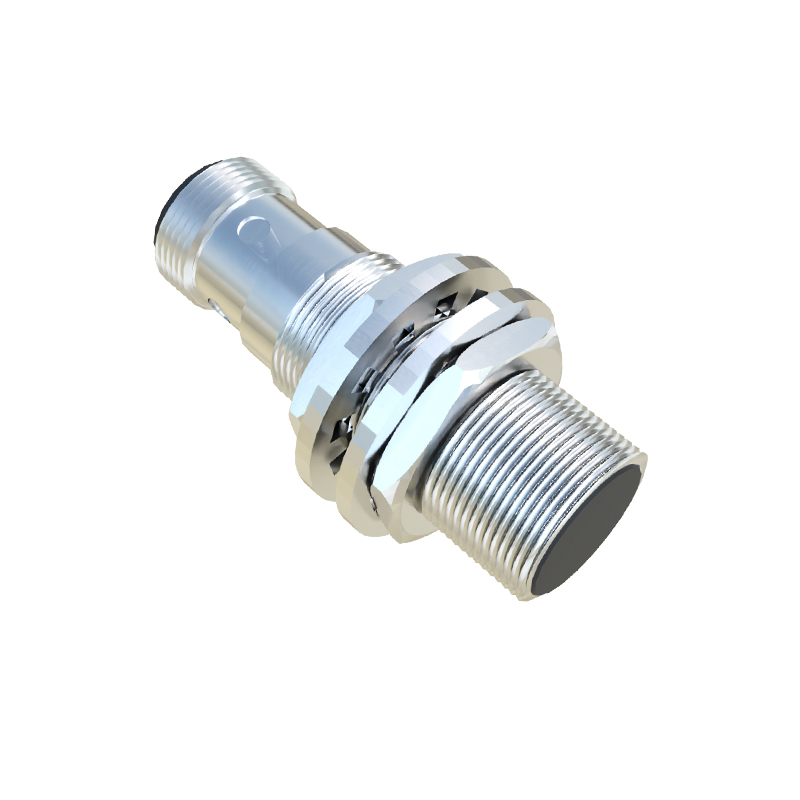
Core Components and Operating Principles
The sensor module consists of an IR emitter, an IR receiver (usually a photodiode or phototransistor), and control circuitry. The emitter sends out a modulated infrared signal—often at a specific frequency to minimize interference from ambient light. The receiver measures the intensity of reflected IR light. In smartphones, the sensor is calibrated to recognize reflections within a short range, typically up to 5 centimeters. Advanced sensors incorporate ambient light sensors (ALS) to adjust screen brightness based on environmental lighting, but the proximity function operates independently. The control IC processes the signal, distinguishing between ambient IR noise and genuine reflections, ensuring accurate detection even in varying light conditions.
Integration and Calibration in Smartphone Design
Integrating proximity sensors requires careful design considerations. They are usually placed near the earpiece or front-facing camera, behind a small window on the phone's bezel. The cover material must be transparent to IR wavelengths while blocking visible light to maintain aesthetics. Calibration is critical during manufacturing; each sensor is tested to set thresholds for "near" and "far" states. Factors like cover glass thickness, IR transmissivity, and assembly tolerances affect performance. Manufacturers use automated systems to calibrate sensors, ensuring consistent response across devices. Poor calibration can lead to false triggers or failure to detect proximity, impacting user experience.
Applications Beyond Phone Calls
While initially designed for call management, proximity sensors now enable various smartphone features. In power-saving modes, they help turn off displays when devices are in pockets or bags. Some apps use them for gesture control—for example, waving a hand over the sensor to silence alarms or scroll through content. In augmented reality (AR) applications, proximity data can enhance object interaction. Additionally, they contribute to safety by disabling touch input during VR usage to prevent unintended actions. As smartphones evolve, these sensors support always-on functionalities, like waking the screen when a user approaches, blending convenience with efficiency.
Challenges and Technological Advancements
Despite their reliability, proximity sensors face challenges. Reflective surfaces or certain materials may not reflect IR well, causing detection issues. Ambient IR sources, like sunlight or heaters, can interfere with signals. To address this, modern sensors use pulsed IR emission and digital filtering algorithms. Recent advancements include time-of-flight (ToF) sensors, which measure the time for IR light to return, offering more precise distance measurements. Integration with other sensors, such as accelerometers, allows context-aware decisions—like ignoring proximity when the phone is on a table. Future developments may see sensor fusion with AI for predictive behavior, improving accuracy and expanding use cases in IoT and wearable tech.
Conclusion and Industry Outlook
Proximity light sensors are essential for smartphone usability and energy efficiency. Their simple yet effective design has made them a standard in mobile devices. As technology progresses, we can expect smaller, more power-efficient sensors with enhanced capabilities, such as multi-object detection or environmental sensing. The trend toward bezel-less displays poses new integration challenges, potentially leading to under-display sensor placement. Overall, these components will continue to evolve, supporting innovative features while maintaining their core role in human-device interaction. Engineers must balance performance, cost, and design constraints to meet growing consumer expectations.