Understanding Universal Photoelectric Sensors
Universal photoelectric sensors are indispensable components in modern industrial automation, offering non-contact detection of objects based on the modulation of light. These sensors are celebrated for their versatility, reliability, and ability to function in diverse and challenging environments. They operate on a simple principle: a light emitter sends a beam (visible red, infrared, or laser) towards a receiver. The presence, absence, or characteristics of a target object interrupts or reflects this beam, triggering an electrical output signal. This fundamental technology is deployed in countless applications, from basic object counting on conveyor belts and precise positioning in assembly robots to complex safety curtain systems and level detection in bulk material handling. The term "universal" often refers to sensors with adaptable sensing modes (through-beam, retro-reflective, diffuse), configurable outputs (PNP/NPN, analog, IO-Link), and robust housing designs suitable for various industrial standards. For engineers and procurement specialists, selecting the right sensor involves a detailed analysis of range, sensing mode, light source, housing material, electrical characteristics, and environmental ratings like IP67 or IP69K for washdown areas.
The Critical Role of Direct Sales Support
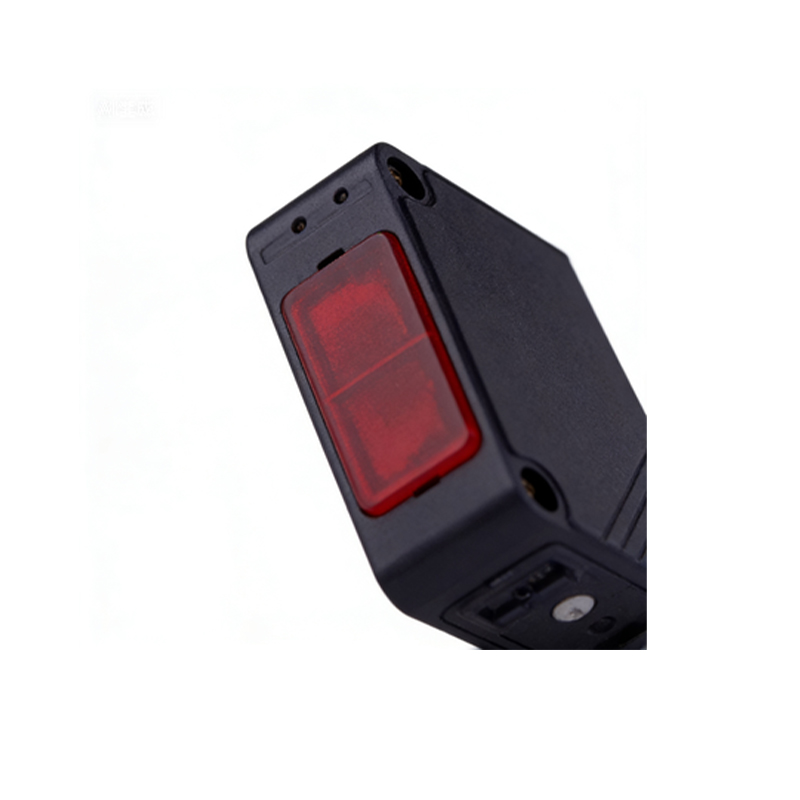
While online catalogs and datasheets provide foundational information, complex automation projects frequently demand direct, expert consultation. This is where contacting the Universal Photoelectric Sensor sales team becomes a critical step. A sales engineer does more than just process an order; they act as a technical consultant. They can help navigate extensive product portfolios to match a sensor's specifications precisely to your application's unique demands. For instance, detecting a clear glass bottle versus a matte black rubber tire requires vastly different sensor technologies (e.g., polarized retro-reflective vs. background suppression diffuse). A sales professional can clarify these nuances, preventing costly misapplications and downtime. Furthermore, they provide vital information on lead times, global availability, compatible accessories (brackets, cables, fiber optic tips), and potential alternatives during supply chain shortages. They are also the gateway to accessing application engineers for deeper technical challenges, sample programs for testing, and detailed documentation beyond standard datasheets.
Preparing to Contact Sales: Essential Information
To ensure a productive conversation with a Universal Photoelectric Sensor sales representative, preparation is key. Having the following information ready will streamline the process and lead to a more accurate solution. First, clearly define your application: What is the object being detected (size, material, color, surface finish)? What is the required sensing distance? What are the environmental conditions (temperature, humidity, dust, fumes, washdown)? Second, know your electrical and mechanical requirements: What is the supply voltage (10-30V DC, 90-250V AC)? What output type and current rating are needed for your PLC or controller? What is the required housing size and shape (cylindrical, rectangular, slot-style) and mounting method? Third, gather any existing part numbers you may be replacing or considering. Finally, be prepared to discuss your project timeline, required quantity (for prototyping vs. full production), and any specific industry certifications needed (e.g., FDA for food and beverage, ATEX for hazardous areas). This preparedness demonstrates professionalism and enables the sales team to provide the most effective support.
How to Find the Official Universal Sales Contact
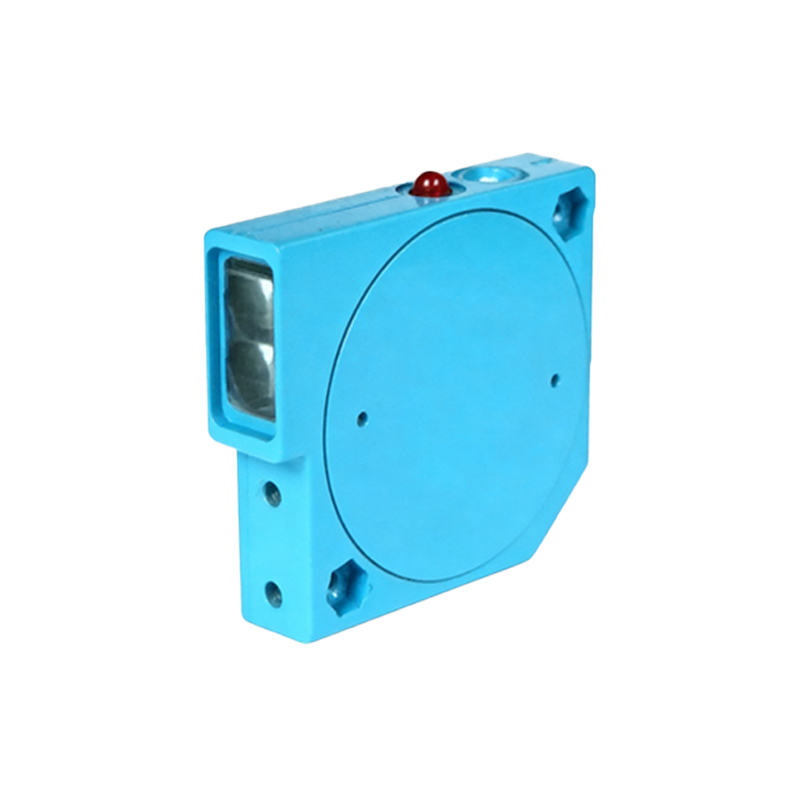
Locating the correct, official sales contact is paramount to receiving authoritative support. The primary and most reliable source is the official website of the manufacturer whose "Universal" brand photoelectric sensors you are interested in, such as ifm, SICK, Banner Engineering, Omron, or Keyence. Avoid using generic third-party directory sites which may list outdated or incorrect information. On the manufacturer's website, navigate to the "Contact Us," "Sales & Support," or "Find a Representative" section. Larger global manufacturers often have a regional selector where you can choose your country or continent to access local office phone numbers and email addresses. Many sites also offer a "Request a Quote" or "Contact Sales" web form. For urgent technical and sales inquiries, a direct phone call to the regional sales office is typically the fastest method. It is also advisable to request a connection with a dedicated distributor in your area, as authorized distributors hold local stock and offer valuable on-the-ground application support and faster delivery for standard items.
Effective Communication for Optimal Solutions
When you make the call or send the email, structuring your communication effectively will yield the best results. Start by introducing yourself, your company, and your role. Briefly state the overall project goal before diving into technical details. Use the prepared application information to describe your needs systematically. Be open to questions from the sales engineer; their probing is designed to uncover hidden variables that could affect performance. Don't hesitate to ask your own questions regarding warranty, return policies for evaluation units, software configuration tools, and long-term product lifecycle plans. If the conversation resolves a complex issue, consider requesting a summary email that documents the recommended part numbers, configuration notes, and pricing for your records. Building a positive, professional relationship with your sensor manufacturer's sales team is an investment. It creates a reliable channel for future projects, keeps you informed about new product developments, and ensures you have expert support to maintain the efficiency and reliability of your automated systems.