Understanding the Core Principle
Capacitive proximity sensors operate on the fundamental principle of capacitance change. Every object possesses an inherent electrical capacitance. The sensor itself functions as one plate of a capacitor, with the target object acting as the second plate, and the air gap between them serving as the dielectric. The sensor generates an electrostatic field. When a target enters this detection field, it alters the dielectric constant and thus the capacitance of the system. The sensor's internal oscillator circuit is tuned to trigger a state change (typically an output signal) when this capacitance reaches a specific threshold. Unlike inductive sensors, capacitive sensors can detect a wide range of materials, including metals, plastics, glass, wood, and liquids, provided the material has a dielectric constant different from air.
Key Components and Internal Operation
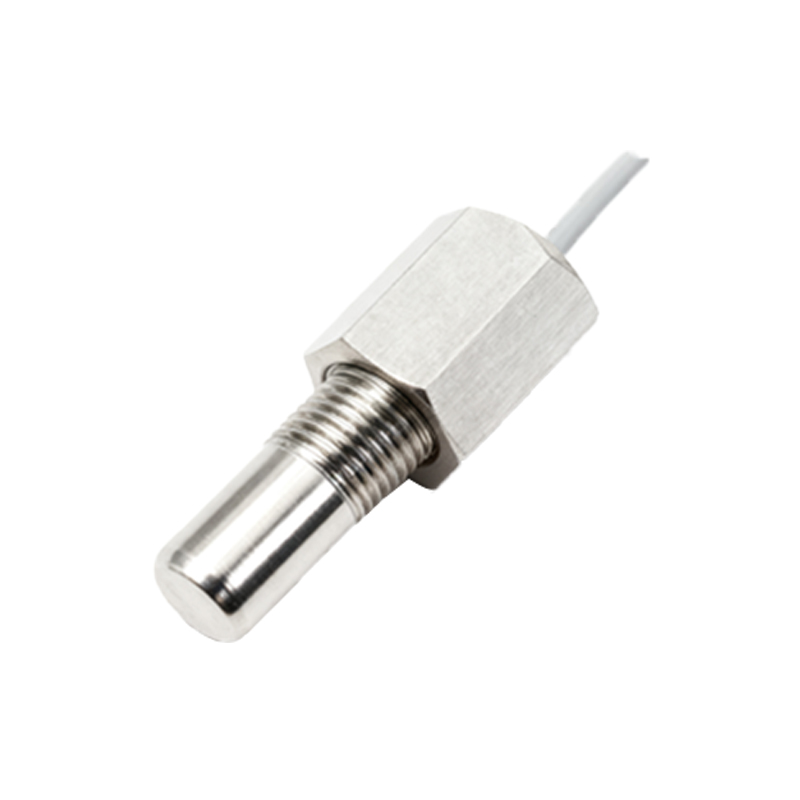
A standard capacitive proximity sensor comprises several critical components. The sensing face or electrode is the active area that establishes the electrostatic field. Behind it lies the oscillator circuit, which generates the high-frequency field and monitors its amplitude. The trigger circuit compares the oscillator's signal level to a predefined reference point. When the threshold is crossed, it activates the output switching device, which can be a solid-state transistor (PNP/NPN) or an electromechanical relay. Finally, a signal conditioner or amplifier shapes the output signal. Modern sensors often include potentiometers for sensitivity adjustment, allowing the user to fine-tune the detection range and ignore background interference, such as a container wall.
Primary Advantages and Strengths
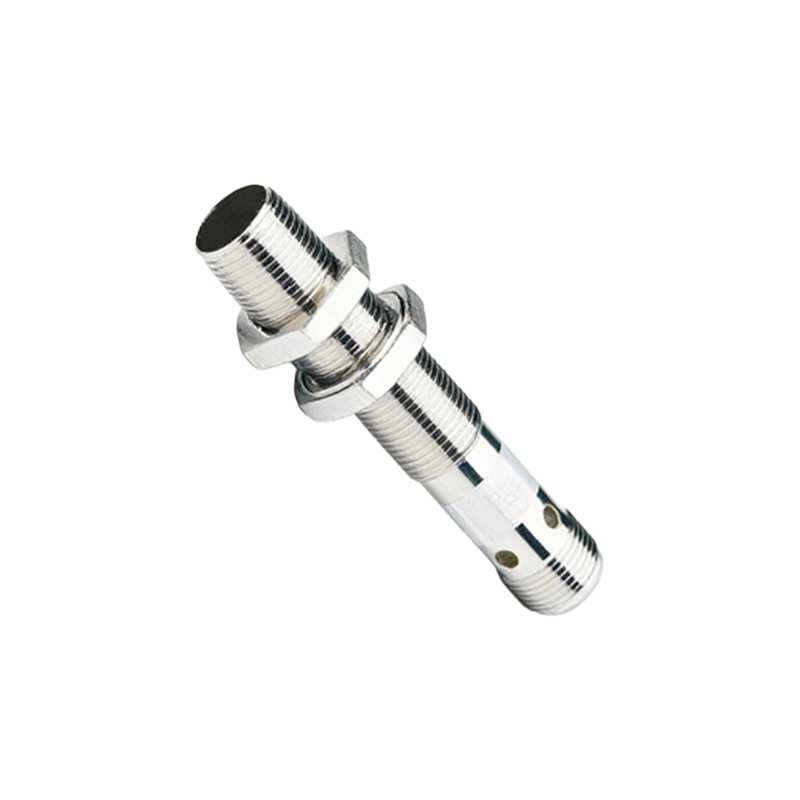
The most significant advantage of capacitive sensors is their material versatility. They solve application problems where inductive sensors fail, such as detecting non-metallic objects. They are excellent for level detection of liquids, granules, or powders through non-metallic container walls, enabling non-contact measurement. Their performance is generally unaffected by the target's color or surface finish. Furthermore, they offer good resistance to environmental contaminants like dust, moisture, and oil splashes when properly housed. With no moving mechanical parts, they provide high reliability and long operational life in demanding industrial settings.
Common Industrial Applications
Capacitive proximity sensors find extensive use across diverse industries. In packaging, they detect the presence of plastic bottles, cardboard boxes, or foil lids. In the food and beverage sector, they monitor levels of liquids, sauces, or granular materials like sugar in plastic or glass tanks. Woodworking and furniture manufacturing employ them for board counting and glue application verification. They are crucial in automotive assembly for verifying the presence of plastic components, rubber seals, or composite materials. Another critical application is in electronics manufacturing, where they can detect tiny components on tape and reel or verify the presence of non-conductive materials on a PCB.

Critical Selection Criteria
Selecting the correct capacitive sensor requires careful consideration of several parameters. First, determine the required sensing distance or range, noting that the rated operating distance is calibrated for a metal target; for other materials, a reduction factor must be applied. The housing material and form factor (cylindrical, rectangular, block-style) must suit the mechanical and environmental conditions, with options like PTFE coatings for sticky materials. Output type (NO/NC, PNP/NPN, analog) must match the control system's input card. The operating voltage (e.g., 10-30V DC, 20-250V AC) is essential. Key specifications also include switching frequency, temperature range, IP rating for ingress protection, and the availability of built-in diagnostics like LED indicators.
Installation and Commissioning Best Practices
Proper installation is paramount for stable operation. Maintain the recommended clearance around the sensor's sensing face to prevent false triggers from the surrounding metal (mounting in a metal bracket) or from accumulated material. Use non-metallic brackets when possible. For level control, adjust the sensitivity so the sensor reliably detects the material but does not trigger on the empty container wall. Always consider the dielectric constant of the target material; materials with a low constant (e.g., some plastics) require a shorter mounting distance. Ensure stable power supply lines, and in electrically noisy environments, use shielded cables and proper grounding. Regularly clean the sensing face to prevent coating from insulating materials, which can diminish sensitivity.
Limitations and Considerations
While versatile, capacitive sensors have limitations. Their sensing range is typically shorter than that of ultrasonic or some photoelectric sensors. They can be influenced by environmental factors such as extreme humidity, which changes the air's dielectric constant, or conductive dust buildup. Highly conductive materials like metals are detected at the maximum range, while low-dielectric materials significantly reduce the effective sensing distance. They may also detect unwanted background objects if not carefully adjusted, making them less suitable for applications with highly variable environments