Introduction to Photoelectric Sensing Technology
Photoelectric sensors are fundamental components in modern industrial automation, providing non-contact detection of objects through the use of light beams. Cisco, a globally recognized leader in networking and industrial communication solutions, extends its expertise into the realm of industrial sensing with its line of robust and intelligent photoelectric sensors. These devices operate by emitting a beam of light—typically visible red, infrared, or laser—and detecting changes in the received light signal. The core principle involves the transmitter projecting light and the receiver analyzing the reflected or interrupted beam to determine the presence, absence, or distance of a target object. This technology offers significant advantages over mechanical limit switches, including higher precision, longer sensing ranges, minimal physical wear, and the ability to detect a wide variety of materials, including transparent or reflective surfaces. Cisco's integration of advanced optics and signal processing ensures reliable performance even in challenging industrial environments characterized by dust, vibration, or variable ambient light conditions.
Key Features of Cisco Photoelectric Sensors
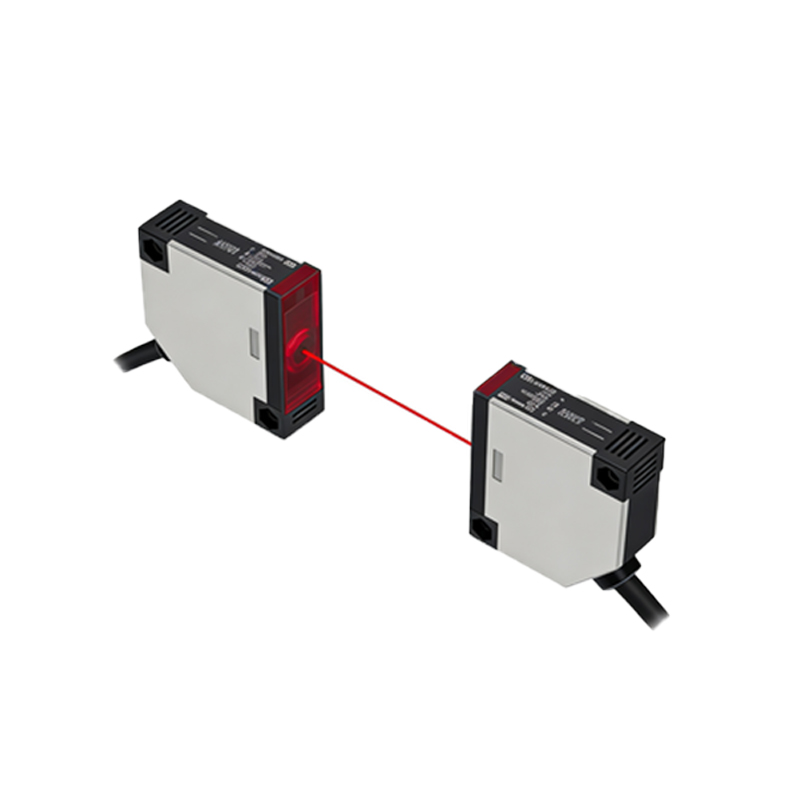
Cisco photoelectric sensors are engineered with a focus on reliability, connectivity, and smart functionality. A primary feature is their ruggedized design, featuring high IP (Ingress Protection) ratings such as IP67 or IP69K, which guarantees resistance against water, oil, and particulate ingress. This makes them ideal for harsh applications in manufacturing, packaging, and material handling. Many models incorporate advanced sensing modes: through-beam, retro-reflective, and diffuse reflective. Through-beam models, with separate emitter and receiver units, offer the longest range and highest reliability. Retro-reflective types use a reflector and are easier to align, while diffuse sensors detect light reflected directly from the target, simplifying installation in space-constrained areas. Furthermore, Cisco sensors often include integrated IO-Link communication. This smart sensor protocol enables detailed parameter configuration, real-time diagnostics, and process data monitoring directly onto the control system, facilitating predictive maintenance and seamless integration into Industrial Internet of Things (IIoT) architectures.
Applications in Industrial Automation Systems
The application scope for Cisco photoelectric sensors is vast and critical to operational efficiency. In conveyor belt systems, they are indispensable for precise object detection, counting, and positioning, ensuring smooth material flow and preventing jams. Within automated packaging lines, these sensors verify the presence of products in boxes, check fill levels, and confirm label placement. In robotic workcells, they provide essential feedback for pick-and-place operations, ensuring the robot's end-effector correctly locates components. Another significant application is in edge detection and web break detection within printing, textile, or paper processing industries, where a sensor can instantly identify a tear or misalignment, triggering an automatic shutdown to prevent waste and damage. The high-speed response time of Cisco sensors makes them suitable for high-throughput production environments, while their ability to interface with Cisco's broader industrial networking ecosystem—such as switches and routers—simplifies data aggregation and network management.
Installation, Alignment, and Best Practices
Proper installation is paramount for optimal sensor performance. The first step involves selecting the correct sensing mode and model for the specific application, considering factors like target material, size, required sensing distance, and environmental conditions. For through-beam sensors, careful alignment of the emitter and receiver is crucial; many Cisco models feature visible LED beams or alignment indicators to simplify this process. Mounting must be secure to minimize vibration-induced misalignment. Environmental considerations are critical: for instance, sensors aimed at detecting transparent objects might require a polarized filter model to ignore glare from shiny surfaces. Regular maintenance, though minimal, should include lens cleaning to prevent dust or grime buildup that could attenuate the light signal. Utilizing the diagnostic capabilities via IO-Link or the sensor's built-in status LEDs allows for proactive troubleshooting, identifying issues like lens contamination, marginal operating conditions, or power supply fluctuations before they lead to system downtime.
The Future: Smart Sensors and IIoT Integration
The evolution of photoelectric sensors is tightly linked to the growth of Industry 4.0 and IIoT. Cisco is at the forefront of this transition, embedding greater intelligence into its sensing products. Future developments will see enhanced data analytics capabilities at the sensor edge, allowing for more sophisticated condition monitoring and quality control. For example, a sensor could not only detect an object but also analyze its color, contrast, or precise dimensions, communicating this data directly to cloud platforms for centralized analysis. Enhanced cybersecurity features, leveraging Cisco's networking security heritage, will become standard to protect sensor data and network integrity. Furthermore, the convergence of sensing and networking will lead to more decentralized control architectures, where sensors with integrated computing power can make localized decisions, reducing latency and load on central PLCs. This intelligent, connected sensing layer forms the foundational data source for digital twins and AI-driven optimization in smart factories.