Introduction to PMR25 Photoelectric Sensors
The PMR25 photoelectric sensor represents a significant advancement in industrial sensing technology. Designed for reliability and precision in demanding environments, this sensor utilizes a modulated infrared light beam to detect the presence or absence of objects. Its core principle involves an emitter that projects a light beam and a receiver that detects the beam's status. When an object interrupts or reflects this beam, the sensor's output state changes, triggering a control action in the connected automation system. The PMR25 series is renowned for its robust housing, typically rated at IP67, making it resistant to dust and water ingress, which is crucial for operation in harsh manufacturing settings such as assembly lines, packaging machinery, and material handling systems.
Key Technical Specifications and Operating Modes
Understanding the technical parameters of the PMR25 is essential for proper integration. These sensors commonly operate on a DC voltage range, such as 10-30V DC, and feature both NPN and PNP output configurations for compatibility with various PLCs (Programmable Logic Controllers). The sensing range is a critical specification, with the PMR25 often offering a precise range suitable for medium-distance applications. It operates primarily in three modes: through-beam, retro-reflective, and diffuse reflective. The through-beam mode, with separate emitter and receiver units, provides the longest and most reliable sensing distance. The retro-reflective mode uses a single unit and a reflector, while the diffuse reflective mode detects objects by the light reflected directly from the target itself, ideal for detecting non-reflective materials.
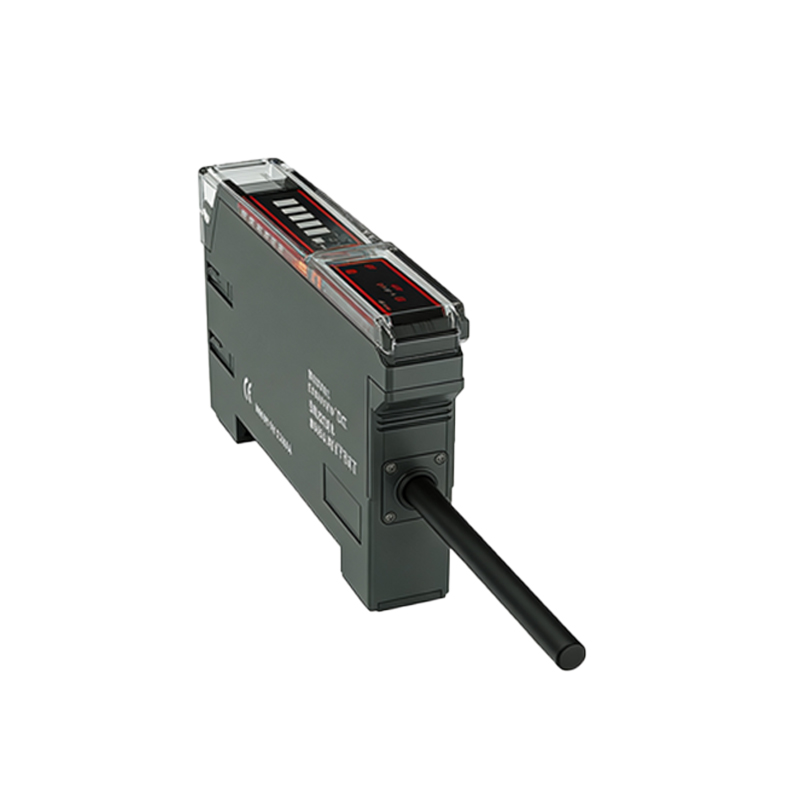
Advanced Features for Enhanced Performance
Modern PMR25 sensors incorporate several advanced features that set them apart. Many models include a built-in potentiometer or teach-in function for easy adjustment of sensitivity, allowing technicians to fine-tune the sensor to ignore background objects or detect specific materials. The use of modulated LED light (often infrared) prevents interference from ambient factory lighting, such as fluorescent or sunlight. Furthermore, features like short-circuit protection, reverse polarity protection, and an LED status indicator for power and output state are standard, enhancing operational safety and simplifying maintenance and troubleshooting procedures on the factory floor.
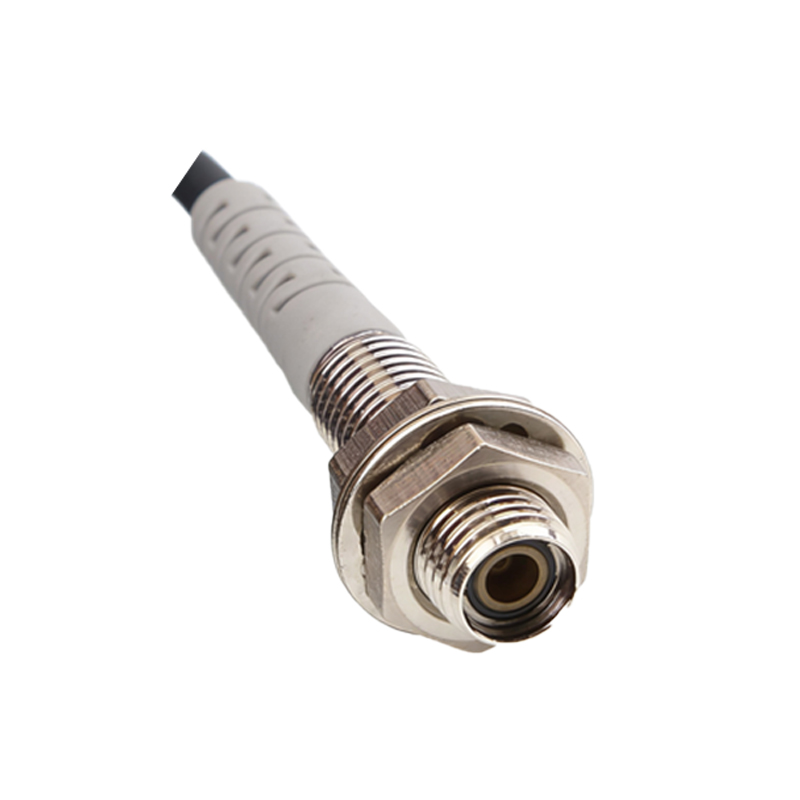
Application Scenarios in Industrial Automation
The versatility of the PMR25 photoelectric sensor makes it a cornerstone in numerous automation applications. A primary use is in object detection on conveyor belts, where it counts products, verifies placement, or triggers sorting mechanisms. In packaging machinery, it ensures correct box formation by detecting flap positions or verifying the presence of a product before sealing. It is also extensively used for level detection in silos or bins, controlling fill levels of powders or granular materials. Additionally, its precision is leveraged in robotic guidance systems, ensuring accurate positioning of components for pick-and-place operations, thereby increasing overall production line efficiency and reducing errors.
Installation, Alignment, and Calibration Best Practices
Correct installation is paramount for optimal sensor performance. The PMR25 must be securely mounted using appropriate brackets to minimize vibration, which can cause false triggers. For through-beam sensors, precise alignment of the emitter and receiver is critical; the use of alignment tools or the sensor's built-in alignment indicator LEDs is highly recommended. When using retro-reflective models, ensuring the reflector is clean and correctly angled is necessary. During calibration, the sensitivity should be adjusted with the target object in place, setting it just above the threshold required for reliable detection to account for environmental variables like dust accumulation or minor object color variations.
Common Troubleshooting and Maintenance Guidelines
Even robust sensors like the PMR25 may encounter issues. Common problems include failure to detect objects, intermittent operation, or constant output activation. Troubleshooting should begin with checking the power supply voltage and wiring connections for integrity. Inspect the lens of the sensor and, if applicable, the reflector for dirt, condensation, or physical damage, cleaning them with a soft cloth as needed. Verify that the sensing range is appropriate for the application and that no new obstructions are in the beam path. Regularly scheduled maintenance, including visual inspections and functional tests, can prevent unexpected downtime and extend the operational lifespan of the sensor in a continuous production environment.
Future Trends and Integration with Industry 4.0
The evolution of photoelectric sensors like the PMR25 is closely tied to the rise of Industry 4.0 and smart manufacturing. Future iterations are expected to feature integrated IO-Link communication, enabling digital parameter setting, advanced diagnostics, and process data monitoring directly from the sensor to the control system. This facilitates predictive maintenance by providing real-time data on device health and performance trends. Furthermore, enhanced sensing capabilities, such as the ability to distinguish colors or detect minute contrasts, will expand their application scope. The PMR25 platform is poised to become an intelligent node within larger networked systems, contributing to more adaptive, efficient, and data-driven industrial operations.