Introduction to Inductive Proximity Sensing
Inductive proximity sensors represent a cornerstone of modern industrial automation, providing non-contact detection of metallic objects. The GL-8F model stands as a specific implementation within this broad category, engineered for reliability and precision in demanding environments. These sensors operate on the principle of electromagnetic induction. An internal oscillator generates a high-frequency electromagnetic field that radiates from the sensor's active face. When a conductive metal target enters this field, eddy currents are induced on the target's surface. This action dampens the oscillation amplitude within the sensor. The integrated evaluation circuit detects this change and triggers a switching signal, enabling the detection of the object's presence without any physical contact.
Key Technical Specifications of the GL-8F Sensor
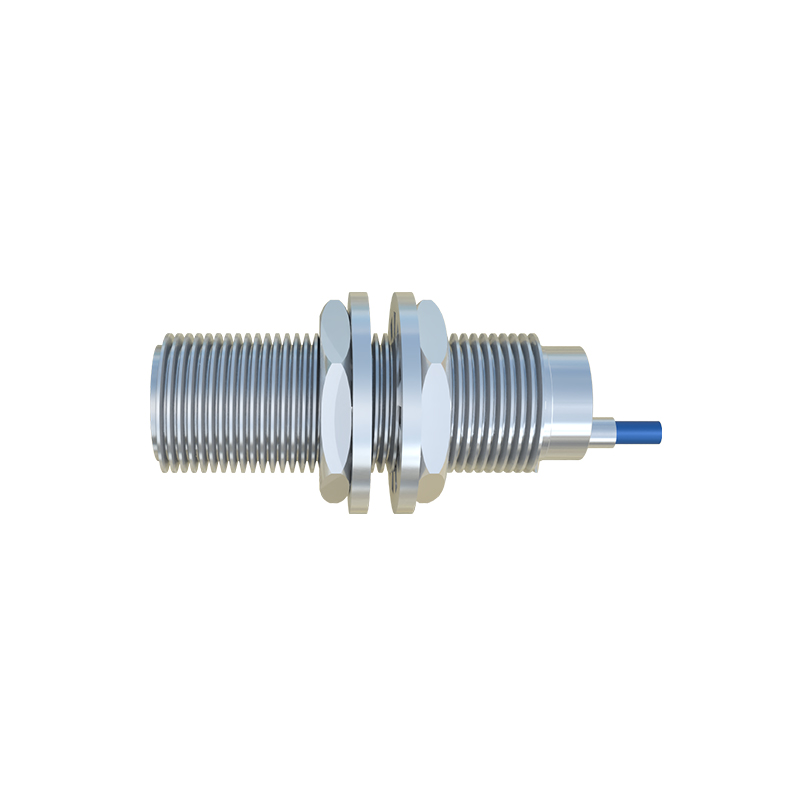
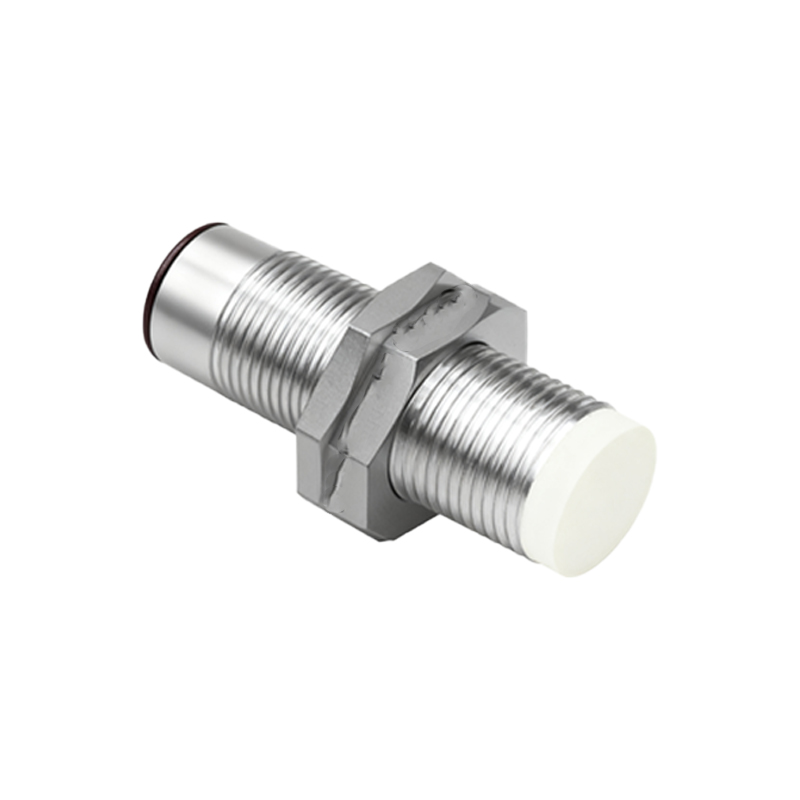
The GL-8F proximity switch is characterized by a set of precise technical parameters that define its operational envelope. Typically, it features an 8mm diameter threaded barrel housing, offering a standardized form factor for easy installation. The sensing range, or nominal switching distance (Sn), is a critical specification, often defined for a standard target of mild steel. The GL-8F is designed with a repeat accuracy of less than 0.02mm, ensuring consistent performance. It operates on a wide range DC supply voltage, commonly from 10-30V DC, and provides a solid-state switching output, either PNP (sourcing) or NPN (sinking) configuration. The housing is rated with a high Ingress Protection (IP) class, such as IP67, making it resistant to dust and temporary immersion, suitable for harsh workshop conditions.
Electrical Output and Wiring Configuration
Understanding the output type is paramount for correct integration into a control system. The GL-8F is available in multiple output variants. The PNP version, often described as "sourcing," switches the positive voltage to the load. Conversely, the NPN version, or "sinking," switches the ground connection. The wiring typically involves three wires: brown for supply positive (+V), blue for supply negative (0V/Common), and black for the switched output signal. A key advantage of the GL-8F is its short-circuit and reverse polarity protection, which safeguards the sensor from common wiring errors and potential damage, enhancing system robustness and reducing downtime.
Target Material and Sensing Distance Factors
While inductive sensors detect metals, the sensing distance is significantly influenced by the target material's properties. The specified nominal sensing distance (Sn) is calibrated for a standard mild steel target. For other materials, a correction factor must be applied. For instance, stainless steel may reduce the effective sensing distance to approximately 0.7-0.9 times Sn, while brass or aluminum can reduce it further to 0.3-0.5 times Sn. Copper also presents a similar reduction. The GL-8F's performance must be evaluated with these factors in mind during the application design phase to ensure reliable detection. The target size must also meet or exceed the sensor's active face diameter for optimal performance.
Installation Considerations and Mounting Guidelines
Proper installation is crucial for reliable operation. The GL-8F's threaded barrel allows for straightforward mounting in a drilled and tapped hole. A critical rule is to maintain adequate clearance around the sensor. Non-ferrous metallic materials in close proximity to the sides of the sensor can influence the magnetic field and cause false triggering or a reduction in sensing distance. Manufacturers specify flush-mountable and non-flush-mountable designs; non-flush types offer a longer sensing range but require lateral clearance from surrounding metal. The sensor should also be protected from physical impact and excessive vibration, though its robust construction is designed to withstand typical industrial stresses.
Typical Industrial Applications and Use Cases
The GL-8F inductive proximity sensor finds extensive application across diverse industrial sectors. In automated assembly lines, it is used for part presence verification, counting, and position detection. Within machine tools, it serves as an end-of-travel limit switch for slides and spindles. In material handling, it monitors the position of conveyor belts, detects metal parts in sorting systems, and confirms the closure of metal doors or guards. Its robustness also makes it suitable for mobile equipment and heavy machinery for monitoring hydraulic cylinder positions or detecting bucket angles. The non-contact nature ensures long service life by eliminating mechanical wear.
Advantages and Operational Benefits
The GL-8F sensor offers several distinct advantages. Its non-contact operation eliminates mechanical wear on both the sensor and the target, leading to exceptional longevity and maintenance-free service. It provides high switching frequency, enabling the detection of very fast-moving objects. The solid-state output ensures bounce-free