Introduction to Photoelectric Sensor Sensitivity
The operational efficacy of a photoelectric sensor is fundamentally governed by its sensitivity to specific physical phenomena. Sensitivity, in this context, refers to the sensor's ability to reliably detect a target and convert the received optical signal into a usable electrical output. This characteristic is not a singular, fixed value but a complex interplay of the sensor's design, the properties of the emitted light, and the environmental conditions. A deep understanding of what influences this sensitivity is paramount for selecting the correct sensor for an application, ensuring robust performance, and minimizing false triggers or missed detections. The core principle involves a transmitter emitting a beam of light and a receiver detecting changes in this beam's properties caused by the presence, absence, or characteristics of a target object.
Sensitivity to Target Object Properties
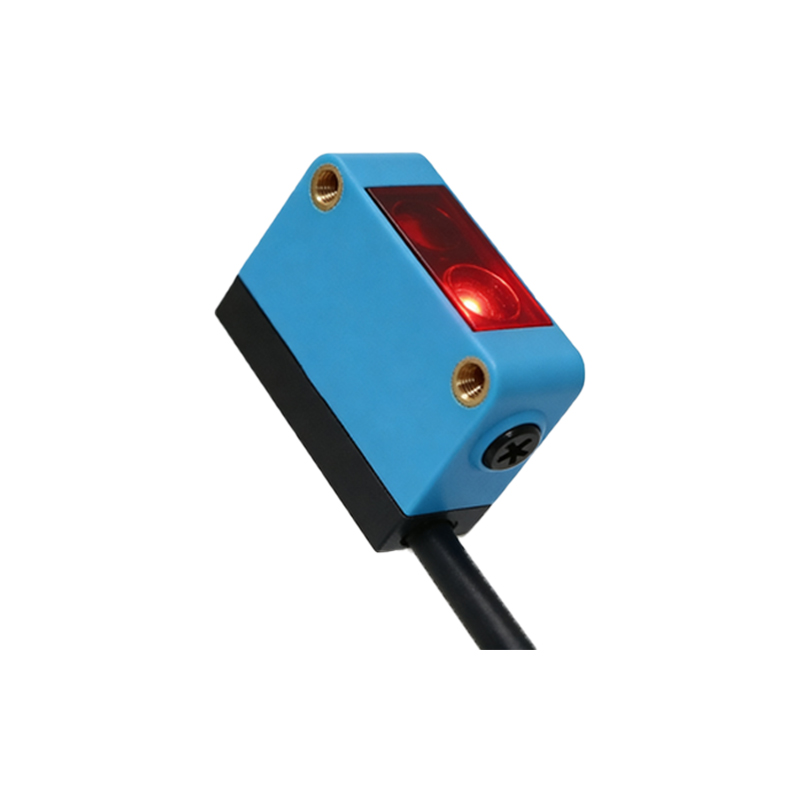
Photoelectric sensors exhibit pronounced sensitivity to the physical and optical properties of the target object. The primary factors include color, reflectivity, material, size, and surface texture. A highly reflective, light-colored object will return a strong signal to a diffuse or retro-reflective sensor, making detection easy. Conversely, a matte black, absorbent object presents a significant challenge, often requiring a sensor with higher excess gain or a different sensing mode, such as through-beam. Material transparency is another critical factor; clear glass or plastic may be invisible to standard sensors, necessitating polarized light models or background suppression techniques. The sensor must be matched to the target's characteristics to ensure the light beam is sufficiently interrupted, reflected, or absorbed to generate a definitive state change in the receiver.
Sensitivity to Light Source and Wavelength
The type and wavelength of the emitted light are intrinsic determinants of sensitivity. Common light sources include LEDs in red, infrared, green, blue, and laser diodes. Red light (typically 660 nm) is standard for general-purpose sensing. Infrared (880 nm) offers superior immunity to ambient visible light and is less visible. Green light (530 nm) provides high sensitivity for detecting red or contrasting colors, while blue light is effective for fluorescent mark detection. Laser-based sensors offer a highly focused, intense beam, granting exceptional sensitivity for detecting very small objects or over long distances. The choice of wavelength directly affects how the light interacts with the target and the surrounding environment, filtering out irrelevant optical noise.
Sensitivity to Environmental Conditions
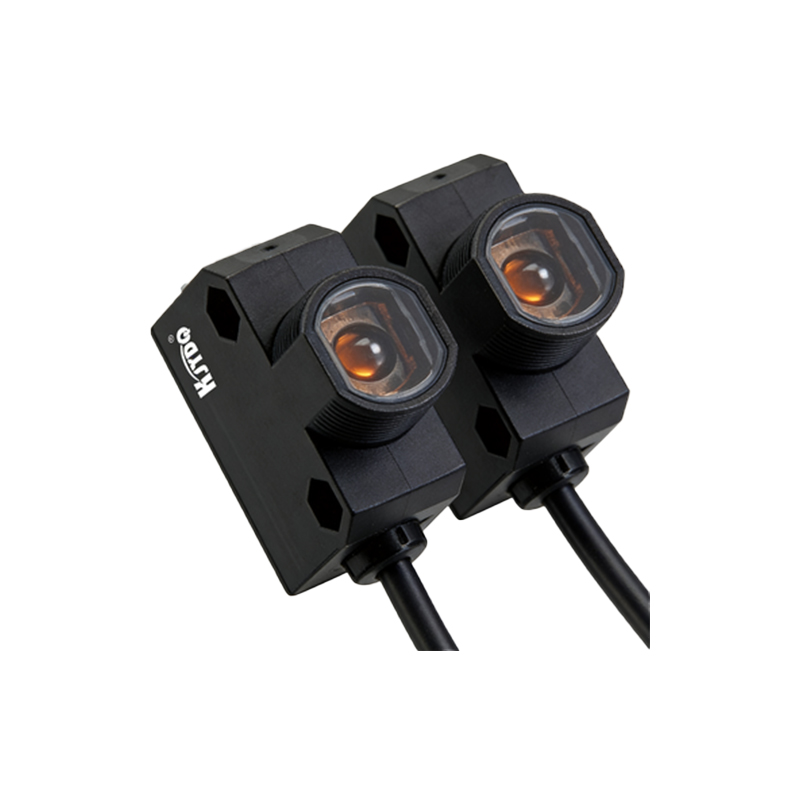
Operational environments impose significant constraints on photoelectric sensor sensitivity. Ambient light from sunlight, factory lamps, or other machinery can saturate the receiver, causing failure. Many modern sensors incorporate modulation techniques, pulsing the light at a specific frequency, to which the receiver is tuned, effectively ignoring steady or differently modulated ambient light. Contaminants such as dust, fog, steam, or oil mist can scatter or attenuate the light beam, reducing effective range and signal strength. Temperature extremes can affect LED output and electronic component performance. Sensors designed for harsh environments feature higher ingress protection (IP) ratings, specialized housings, and temperature compensation to maintain consistent sensitivity.
Sensitivity to Distance and Alignment (Sensing Ranges)
The relationship between the sensor and the target's distance is defined by specific sensing ranges, each with different sensitivity profiles. The maximum sensing range is the farthest distance at which a standard target can be reliably detected. The excess gain curve, which plots signal strength against distance, is crucial. It shows that sensitivity is not linear; signal strength decays with distance. Through-beam sensors have the longest range and highest excess gain. Retro-reflective models have a shorter range, sensitive to the reflector's alignment and cleanliness. Diffuse sensors have the shortest range and are highly sensitive to the target's color and texture, as they rely on the diffuse reflection from the object itself. Precise alignment is critical for through-beam and retro-reflective types.
Sensitivity to Electrical Noise and Signal Integrity
Electrical noise from motors, solenoids, variable frequency drives (VFDs), or welding equipment can induce false signals in the sensor's circuitry, mimicking a target detection. Sensitivity to this electromagnetic interference (EMI) is mitigated through robust electrical design, including shielding, filtering, and the use of differential line drivers in analog outputs. The integrity of the output signal itself is also a sensitivity factor. A sensor with a sharp switching characteristic (high hysteresis) is less sensitive to signal bounce or slight fluctuations near the detection threshold, providing a clean, definitive output. Conversely, analog output sensors are continuously sensitive to minute changes in the received light intensity, translating them into a proportional current or voltage signal.
Conclusion: Optimizing Sensor Selection for Application Sensitivity
Achieving optimal performance from a photoelectric sensor requires a holistic analysis of all sensitivity factors. The engineer must first define the target properties, required sensing distance, and the operational environment. This analysis dictates the choice of sensing mode (through-beam, retro-reflective, diffuse), light source wavelength, necessary excess gain, and environmental protection rating. By systematically matching the sensor's inherent sensitivities to the application's specific demands, one ensures reliable, maintenance-free operation. Regular verification of alignment and lens cleanliness is also essential to preserve the designed sensitivity over the sensor's lifecycle, guaranteeing the precision and reliability expected in modern industrial automation.