Introduction to Proximity Sensor Control Boxes
In the realm of industrial automation, the reliable detection of objects is paramount. Proximity sensors, known for their non-contact operation, serve as the critical eyes of a system. However, their raw signals require conditioning, interpretation, and robust interfacing to integrate seamlessly with higher-level control systems like PLCs (Programmable Logic Controllers). This is where the proximity sensor control box, often termed an interface module or amplifier, becomes an indispensable component. It acts as the intermediary brain, transforming sensor data into actionable commands for machinery and processes.
Core Design and Internal Architecture
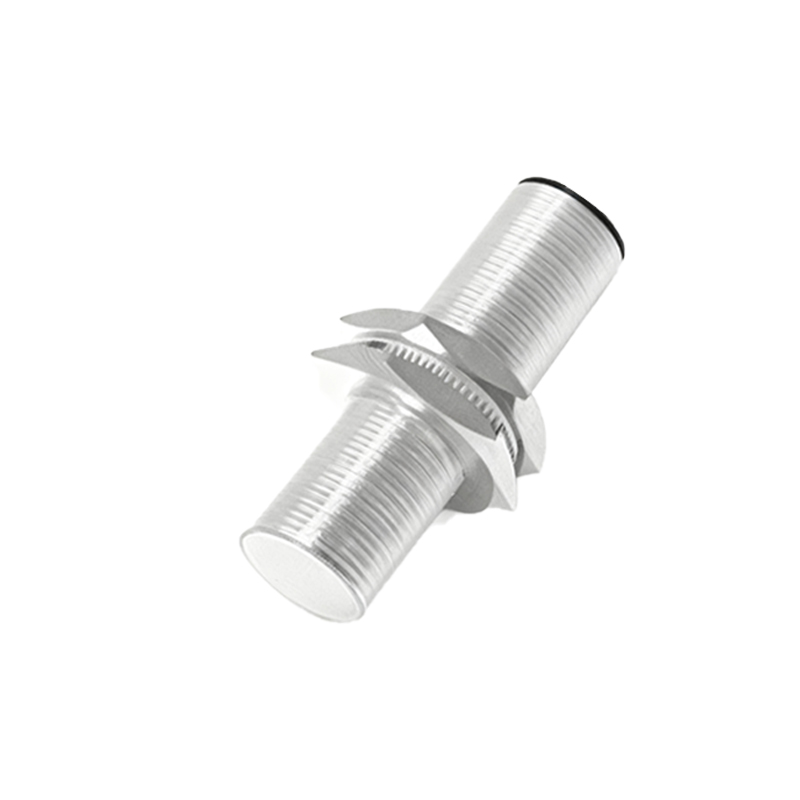
A typical proximity sensor control box is engineered for durability and functionality within harsh industrial environments. Its enclosure is usually constructed from robust materials like polycarbonate or die-cast metal, offering high ingress protection (IP) ratings against dust, moisture, and physical impact. Internally, the design centers around a sophisticated electronic circuit. The primary function is to receive the switching signal from one or multiple proximity sensors. These sensors, whether inductive, capacitive, or photoelectric, generate a signal when a target object enters their detection field. The control box's circuitry then amplifies this often weak signal to a standardized, noise-resistant level. It also provides necessary voltage regulation and current limiting to protect both the sensor and the connected load, such as a relay, solenoid valve, or PLC input module.
Key Functionalities and Operational Modes
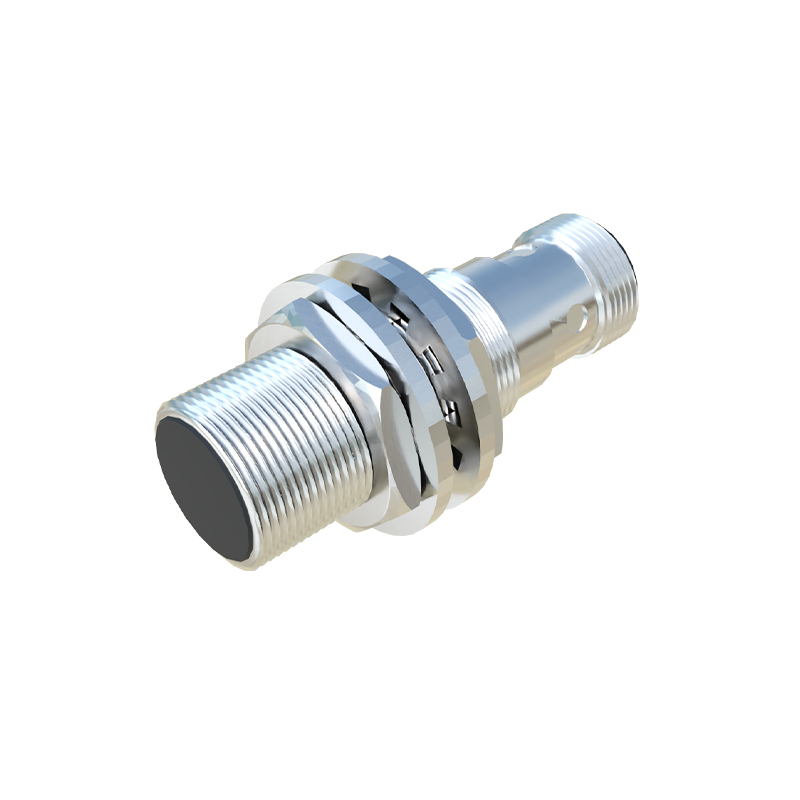
Beyond basic signal conversion, modern control boxes offer a suite of advanced functionalities. A fundamental feature is the adjustable sensing distance or sensitivity, often via a potentiometer or digital interface, allowing fine-tuning for specific applications and materials. Many units incorporate time-delay functions, including ON-delay, OFF-delay, and one-shot pulses, which are crucial for controlling sequence timing and debouncing signals. Another critical capability is the output configuration. Units may provide relay outputs for switching AC/DC loads directly, transistor outputs (NPN or PNP) for fast, solid-state switching, or analog outputs (4-20mA, 0-10V) proportional to sensing distance or signal strength. Status indication via LEDs for power, input signal, and output state is standard for immediate visual diagnostics.
Wiring, Configuration, and Installation Best Practices
Proper installation is key to optimal performance. Control boxes are designed for easy mounting on standard DIN rails within an electrical cabinet. Wiring typically involves connecting the DC power supply (e.g., 12-24V DC), the input wires from the proximity sensor(s), and the output wires to the load device. Adherence to the manufacturer's wiring diagram is essential to avoid damage. For configurations, users must select the correct operating mode (e.g., light-on/dark-on for photoelectric sensors, normally open/normally closed logic) and set any required time delays. Environmental considerations are also vital; the box should be installed away from excessive heat, strong electromagnetic fields, and direct vibration to prevent false triggering or component failure.
Industrial Applications Across Sectors
The versatility of proximity sensor control boxes makes them ubiquitous. In automotive manufacturing, they manage precise part presence verification on assembly lines and control robotic welding arms. In packaging machinery, they ensure correct bottle cap placement and carton flap detection, with timing functions synchronizing the sealing process. Material handling systems rely on them for pallet positioning, conveyor jam detection, and automated guided vehicle (AGV) navigation. In the food and beverage industry, stainless-steel-housed units with appropriate certifications handle bottle counting and fill-level control. Essentially, any application requiring reliable, automated object detection and subsequent control action benefits from these robust interface units.
Troubleshooting Common Issues
Even robust systems can encounter issues. Common problems include no output signal, intermittent operation, or shortened sensing range. A systematic approach to troubleshooting begins with checking the power supply voltage and connections. Verify the proximity sensor is functional by observing its indicator LED. Inspect the control box's status LEDs for clues. Incorrect wiring, a misconfigured operating mode, or an improperly set sensitivity/delay can often be the culprit. Environmental factors like sensor contamination, extreme temperatures, or electrical noise from nearby motors and drives can also interfere. Consulting the device manual for diagnostic procedures and error codes is always recommended.
Future Trends and Technological Advancements
The evolution of proximity sensor control boxes mirrors broader trends in Industry 4.0. Future units are increasingly incorporating digital communication interfaces like IO-Link. This allows for bidirectional data exchange, enabling remote configuration, real-time diagnostics (e.g., reporting operating hours or signal strength), and parameter cloning from a central controller. Integration of more advanced logic functions and multi-channel