Introduction to Photoelectric Sensors
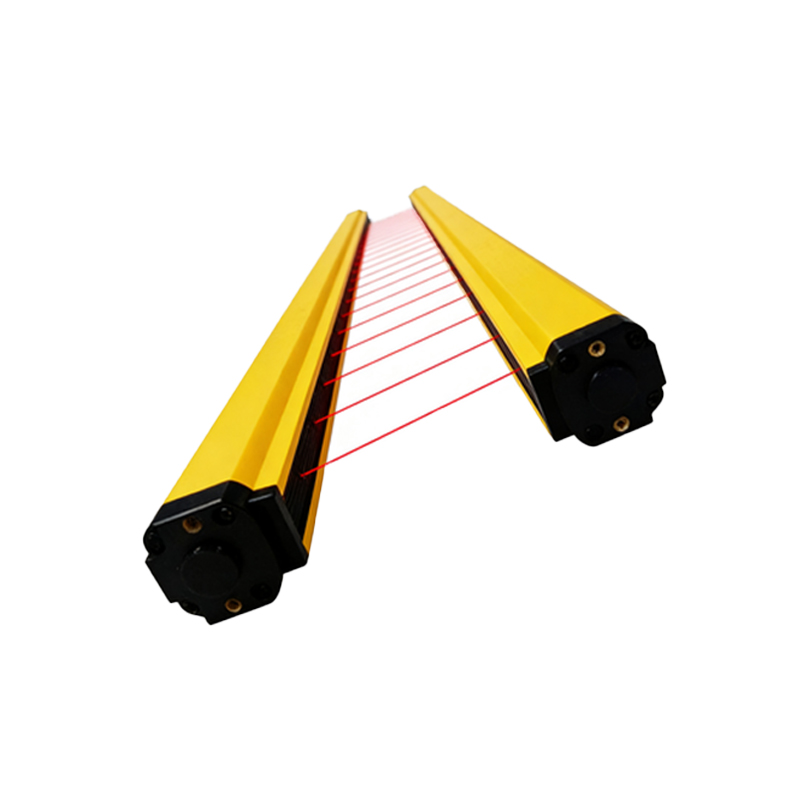
Photoelectric sensors are versatile devices that detect the presence, absence, or distance of an object using a light transmitter and receiver. They operate by emitting a beam of light, which is then either reflected back to the receiver or interrupted by an object. This technology is fundamental to automation and control systems, offering non-contact detection with high precision and reliability. Common types include through-beam, retro-reflective, and diffuse reflective sensors, each suited for specific applications based on range, environmental conditions, and target material. Their ability to sense a wide variety of materials, from metals to transparent plastics, makes them indispensable in modern industrial settings.
Manufacturing and Assembly Lines
In manufacturing, photoelectric sensors play a critical role in ensuring efficiency and quality control. They are widely used for object detection on conveyor belts, such as identifying the position of components for robotic arms to pick and place. For example, in automotive assembly, sensors verify the presence of parts like bolts or panels, preventing errors in the production process. They also monitor fill levels in containers and detect misaligned products, reducing waste and downtime. High-speed sensors can count items as they move rapidly along lines, enabling real-time inventory management. The robustness of these sensors allows them to withstand harsh factory environments with dust, vibration, and temperature variations.
Packaging and Material Handling
The packaging industry relies heavily on photoelectric sensors for automation and accuracy. Sensors detect labels, caps, and seals on bottles and packages, ensuring they are properly applied before shipping. In material handling systems, they control the flow of boxes on conveyors by sensing their size and orientation, triggering diverters to route them to correct destinations. For instance, in warehouse logistics, sensors help sort parcels by reading barcodes or measuring dimensions. They also prevent jams by monitoring accumulation points and signaling when to stop or start conveyor sections. This enhances throughput and minimizes manual intervention, leading to cost savings and faster order fulfillment.
Food and Beverage Processing
In the food and beverage sector, photoelectric sensors contribute to hygiene and safety standards. They detect containers, such as bottles or cans, on filling lines to ensure precise liquid levels and cap placement. Sensors with stainless steel housings are used in washdown areas to resist corrosion from cleaning chemicals. For example, in dairy plants, they monitor the position of yogurt cups during sealing, while in bakeries, they count packaged items like bread loaves. Their ability to sense transparent materials, like glass or plastic wrap, helps inspect packaging integrity. By automating these processes, sensors reduce contamination risks and comply with strict industry regulations, maintaining product quality.
Pharmaceutical and Medical Devices
Photoelectric sensors are essential in pharmaceutical manufacturing, where precision and cleanliness are paramount. They verify the presence of pills in blister packs or vials on assembly lines, ensuring accurate dosing. In medical device production, sensors detect tiny components, such as syringe needles or catheter parts, for quality assurance. Cleanroom-compatible sensors with minimal particle emission are employed to avoid contamination. For instance, they help position labels on medication bottles and monitor sterile packaging seals. Their high sensitivity allows detection of small objects at high speeds, supporting automated inspection systems that uphold safety standards and reduce human error in critical healthcare applications.
Automotive and Transportation
The automotive industry utilizes photoelectric sensors for various applications, from assembly to safety features. In production, they align parts during welding or painting processes, such as detecting car body positions on robotic lines. For transportation, sensors are integrated into vehicle systems for functions like automatic door control in buses, where they prevent closing when passengers are present. They also assist in parking assistance systems by measuring distances to obstacles. In logistics, sensors track vehicles in automated guided vehicle (AGV) systems, ensuring smooth navigation in warehouses. Their durability under extreme temperatures and vibrations makes them reliable for long-term use in demanding environments.
Renewable Energy and Environmental Monitoring
Photoelectric sensors support renewable energy initiatives by optimizing solar panel alignment and wind turbine operations. In solar farms, sensors detect sunlight intensity to adjust panel angles for maximum energy capture. They monitor the position of turbine blades to prevent imbalances and ensure efficient power generation. For environmental monitoring, sensors measure air quality by detecting particulate matter in emissions or water levels in treatment plants. For example, they can sense debris in water flows to trigger filtration systems. Their non-contact nature allows for minimal maintenance in outdoor settings, contributing to sustainable practices and resource management across industries.
Future Trends and Innovations
Advancements in photoelectric sensor technology are driving new applications and improved performance. Innovations include miniaturized sensors for compact devices, such as wearable electronics or drones, and enhanced connectivity for IoT integration, enabling real-time data collection and analysis. Smart sensors with built-in diagnostics can predict maintenance needs, reducing downtime. For example, AI-powered sensors in agriculture detect crop health by analyzing light reflection. Additionally, developments in laser-based sensors offer higher precision for delicate tasks like semiconductor manufacturing. As industries embrace automation and digitalization, photoelectric sensors will continue to evolve, offering greater versatility and efficiency in diverse fields.