Introduction to Infrared Proximity Sensing
Infrared proximity sensors are pivotal components in modern automation and safety systems, leveraging the principles of infrared light to detect the presence or absence of objects without physical contact. These sensors operate by emitting an infrared light beam and measuring the reflection from a target. The core advantage lies in their ability to function reliably in diverse environmental conditions, including low visibility or dusty settings where other sensing technologies might falter. In industrial contexts, they are extensively used for object detection, counting, and positioning in assembly lines, robotics, and machinery guarding. The design of these sensors hinges on precise optical and electronic engineering to ensure accuracy and durability. By understanding the fundamental mechanisms, engineers can tailor sensors to specific applications, enhancing efficiency and safety in automated processes.
Optical Components and Emission
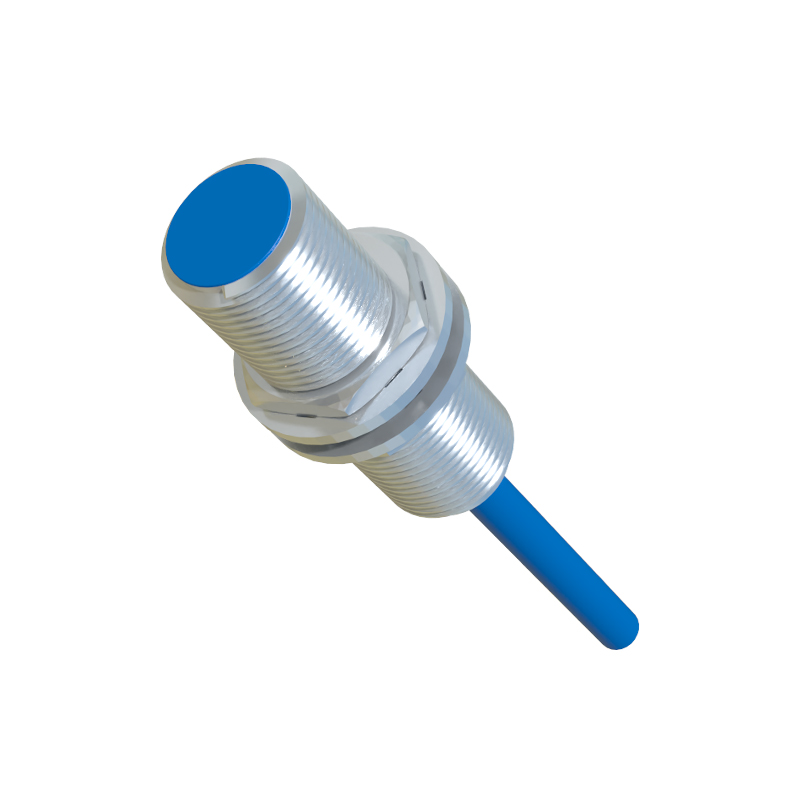
The optical system of an infrared proximity sensor primarily consists of an infrared emitter, typically an infrared LED, and a photodetector, such as a phototransistor or photodiode. The emitter generates infrared radiation at wavelengths usually between 850 nm and 950 nm, which is invisible to the human eye but effective for sensing. This wavelength range is chosen to minimize interference from ambient light sources like sunlight or artificial lighting. The emitted light is often modulated—pulsed at a specific frequency—to distinguish it from background infrared noise, improving signal integrity. The design must account for the emitter's power output and beam angle to optimize detection range and sensitivity. Proper lensing or focusing elements may be integrated to direct the beam precisely, ensuring that the sensor responds only to intended targets within its field of view.
Signal Detection and Processing
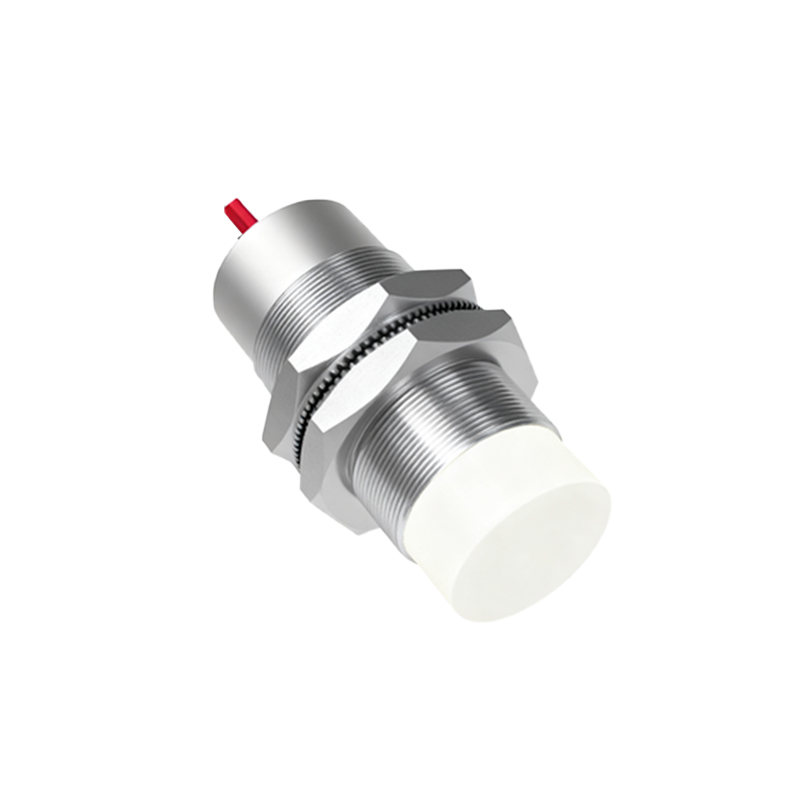
Upon striking an object, the infrared light reflects back to the sensor, where the photodetector converts the optical signal into an electrical current. This current is typically weak and requires amplification through a transimpedance amplifier to produce a measurable voltage. Signal processing is critical here; it involves filtering out noise and demodulating the modulated signal to extract the relevant proximity data. Advanced sensors incorporate digital signal processing (DSP) algorithms to enhance accuracy, allowing for adjustments based on environmental factors like temperature or ambient light changes. The processed signal is then compared to a threshold level to determine object presence. This threshold can be adjustable in many designs, enabling customization for different materials or distances, which is essential for versatile industrial use.
Circuit Design and Integration
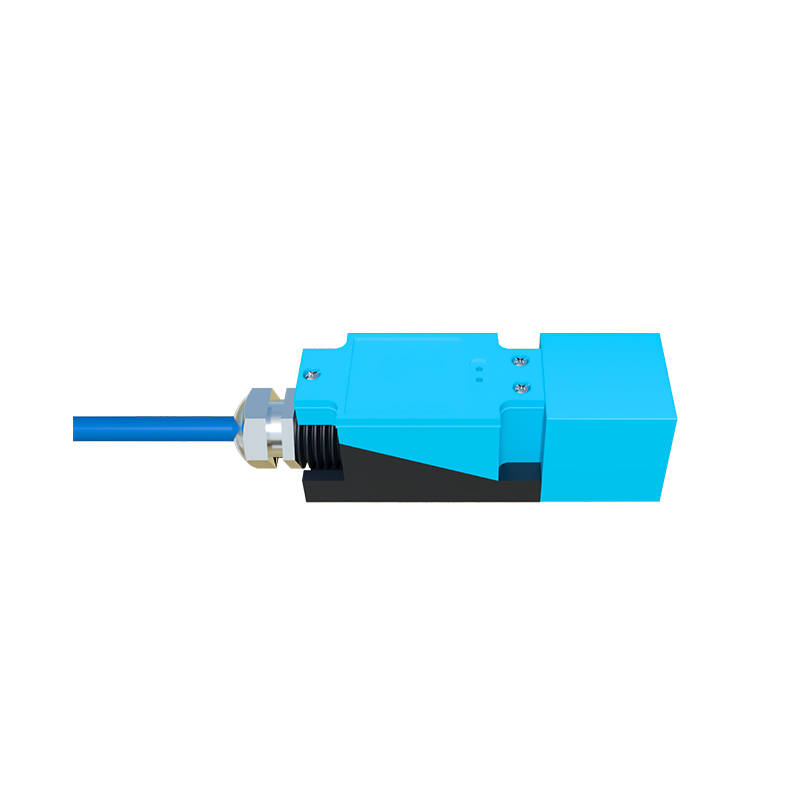
The electronic circuitry of an infrared proximity sensor integrates several key components: the emitter driver, detection circuit, and output interface. The emitter driver regulates the current to the infrared LED, ensuring consistent emission and longevity. It often includes pulse-width modulation (PWM) for efficient power management. The detection circuit, centered around the photodetector, must be shielded from electromagnetic interference to prevent false triggers. Many industrial sensors feature built-in microcontrollers for real-time processing and communication via protocols like I2C or analog outputs. Power supply considerations are vital, as sensors may operate on low-voltage DC sources in harsh environments. Robust design practices, such as using surge protection and conformal coating, enhance reliability in demanding settings like manufacturing floors or outdoor installations.
Environmental Factors and Calibration
Environmental influences significantly impact sensor performance. Factors such as ambient infrared radiation, temperature fluctuations, and surface reflectivity of targets can alter detection accuracy. To mitigate these, sensors are often calibrated during manufacturing and may include automatic compensation mechanisms. For instance, temperature sensors can adjust the emitter output to maintain consistent performance across operating ranges. Additionally, the choice of housing material—typically plastics that are transparent to infrared—affects durability and optical clarity. Engineers must also consider mounting positions and angles to avoid obstructions or unintended reflections. Regular maintenance and recalibration might be necessary in high-precision applications to ensure long-term reliability and adherence to safety standards.
Applications and Future Trends
Infrared proximity sensors find widespread use across industries, from automotive systems for parking assistance to consumer electronics for touchless interfaces. In industrial automation, they enable precise control in robotic arms, conveyor belt monitoring, and machine safety interlocks. Emerging trends include the integration of smart sensors with IoT connectivity, allowing for remote monitoring and predictive maintenance. Advances in miniaturization and energy efficiency are driving their adoption in portable devices and battery-operated systems. Furthermore, research into multi-spectral sensing—combining infrared with other wavelengths—promises enhanced capabilities for material discrimination and distance measurement. As technology evolves, these sensors will continue to play a crucial role in advancing automation and safety protocols worldwide.