Introduction to Infrared Photoelectric Sensors
Infrared photoelectric sensors are pivotal components in modern coal mining operations, leveraging infrared light to detect objects, monitor equipment, and ensure safety. These sensors operate by emitting an infrared beam; when an object interrupts this beam, the sensor triggers a response, such as activating an alarm or halting machinery. In the harsh and volatile environment of coal mines, where dust, moisture, and darkness prevail, infrared technology offers reliable performance due to its ability to penetrate obscurants better than visible light. This makes it indispensable for tasks like conveyor belt monitoring, personnel detection, and gas leak prevention, ultimately reducing accidents and optimizing productivity. The adoption of these sensors aligns with industry trends toward automation and smart mining, where real-time data collection is crucial for decision-making.
Key Applications in Coal Mining
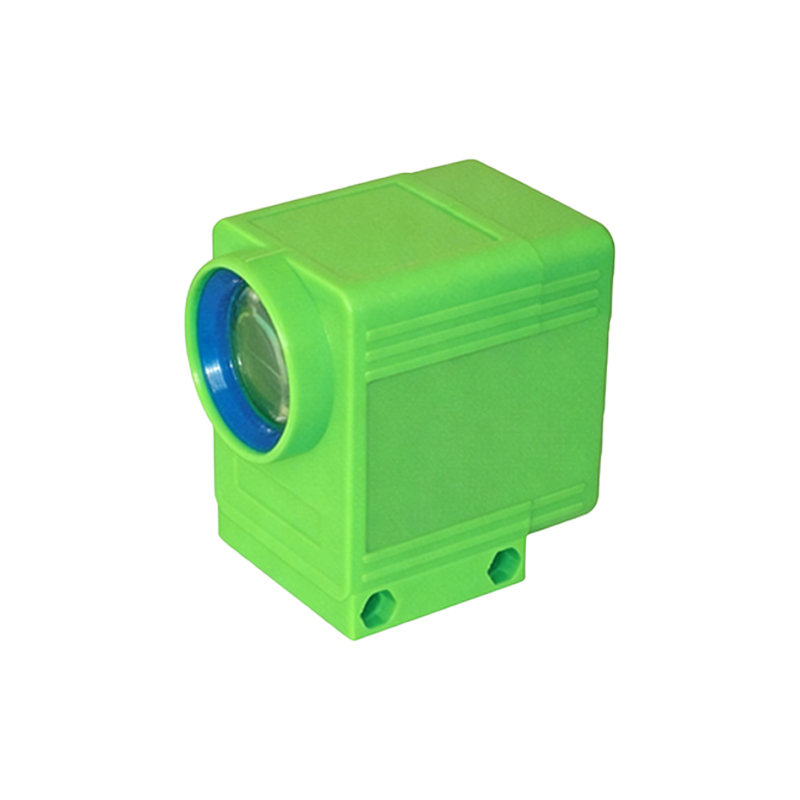
In coal mining, infrared photoelectric sensors serve multiple critical functions. One primary application is on conveyor systems, where they detect blockages, misalignments, or material spills, preventing costly downtime and equipment damage. For instance, sensors placed along belts can identify overloads or jams, automatically shutting down the system to avoid breakdowns. Another vital use is in personnel safety, such as in restricted zones or near heavy machinery; sensors can alert operators when workers enter hazardous areas, reducing the risk of injuries. Additionally, these sensors are integrated into ventilation systems to monitor airflow and detect combustible gases like methane, providing early warnings for potential explosions. By enabling continuous monitoring without direct human intervention, they enhance operational efficiency while minimizing exposure to dangerous conditions.
Technical Advantages and Design Features
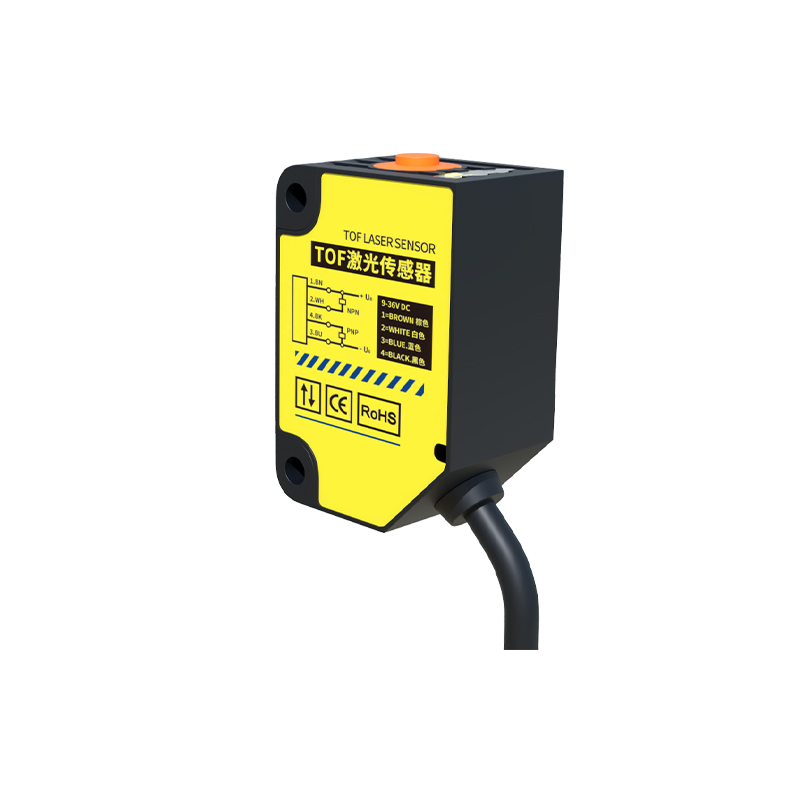
The effectiveness of infrared photoelectric sensors in coal mining stems from their robust design and technical benefits. They typically feature high immunity to environmental interference, such as dust and fog, thanks to modulated infrared signals that reduce false triggers. Many models are built with rugged, explosion-proof housings to withstand extreme temperatures, vibrations, and corrosive elements common in mines. Advanced versions include self-diagnostic capabilities, alerting maintenance teams to issues like lens contamination or power failures before they lead to failures. Moreover, these sensors often support long-range detection—up to several meters—allowing flexible installation in vast mining tunnels. Their low power consumption and compatibility with industrial networks (e.g., IoT systems) facilitate integration into broader automation frameworks, enabling data analytics for predictive maintenance and efficiency gains.
Challenges and Solutions in Implementation
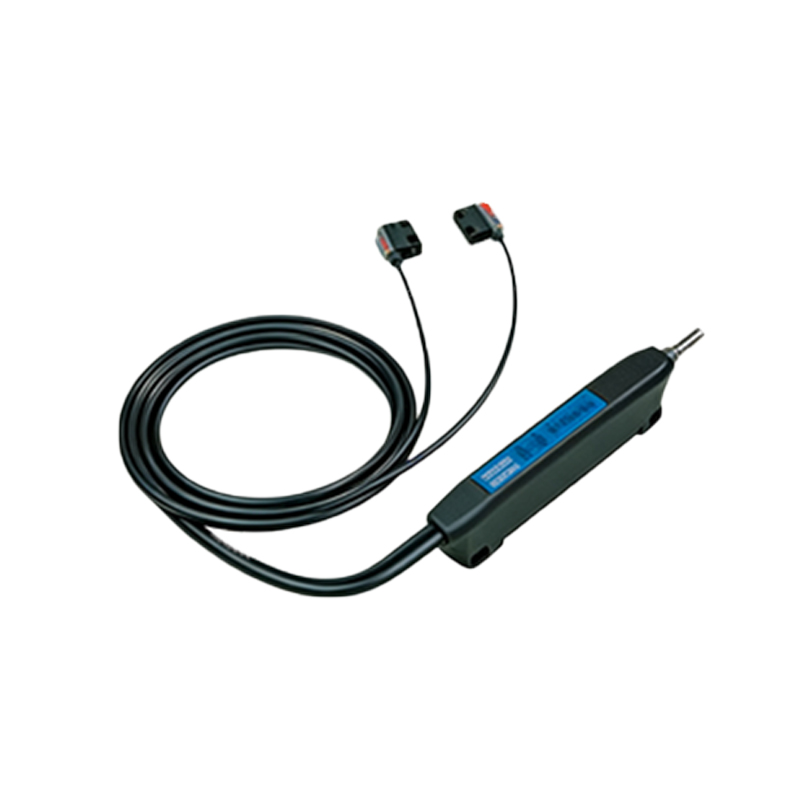
Despite their benefits, deploying infrared photoelectric sensors in coal mines presents challenges. Dust accumulation on sensor lenses can attenuate infrared beams, leading to reduced sensitivity or false readings. To counter this, manufacturers design sensors with air purging systems or hydrophobic coatings that repel particles. Another issue is electromagnetic interference from mining equipment, which can disrupt sensor signals; shielding and frequency modulation techniques help mitigate this. Additionally, the complex layout of mines requires careful placement to avoid blind spots, often necessitating site surveys and redundant sensor arrays. Training personnel to maintain and calibrate these devices is also crucial, as improper handling can compromise safety. By addressing these hurdles through tailored engineering and regular upkeep, mines can maximize sensor reliability and lifespan.
Future Trends and Industry Outlook
The future of infrared photoelectric sensors in coal mining is shaped by technological advancements and increasing safety regulations. Emerging trends include the integration of AI and machine learning, where sensors not only detect objects but also analyze patterns to predict equipment failures or hazardous events. For example, smart sensors could correlate data from multiple points to identify subtle changes in gas concentrations or machinery vibrations, enabling proactive interventions. Wireless sensor networks are gaining traction, reducing installation costs and improving scalability in remote mine areas. Furthermore, as global emphasis on sustainable mining grows, these sensors will play a key role in reducing energy waste and emissions by optimizing equipment usage. Industry collaborations are driving standardization, ensuring sensors meet stringent safety certifications like ATEX for explosive atmospheres, fostering wider adoption and innovation.
Conclusion and Best Practices
In summary, infrared photoelectric sensors are transformative tools for enhancing safety and efficiency in coal mining. Their ability to operate reliably in tough conditions makes them essential for monitoring conveyors, protecting personnel, and detecting hazards. To leverage their full potential, mining companies should prioritize regular maintenance, such as cleaning lenses and testing calibration, alongside investing in training for technical staff. Selecting sensors with appropriate certifications and compatibility with existing systems ensures seamless integration. As the industry evolves toward digitization, embracing next-generation sensors with connectivity features will unlock new levels of automation and data-driven insights. Ultimately, by adopting these technologies, mines can achieve higher productivity while safeguarding workers and the environment, paving the way for a smarter, safer future in resource extraction.