Introduction to Photoelectric Sensor Chips
Photoelectric sensor chips are integral components in modern industrial automation, converting light signals into electrical outputs to detect objects, measure distances, or monitor processes. These chips utilize technologies such as infrared (IR), visible light, or laser sources paired with photodiodes or phototransistors. Their applications span across manufacturing lines, robotics, safety systems, and consumer electronics, offering high precision, reliability, and fast response times. Key parameters include sensing range, response speed, wavelength sensitivity, and environmental durability. Understanding these factors helps engineers select the right chip for specific tasks, ensuring optimal performance in diverse conditions, from clean rooms to harsh industrial settings.
Popular Infrared Sensor Chip Models
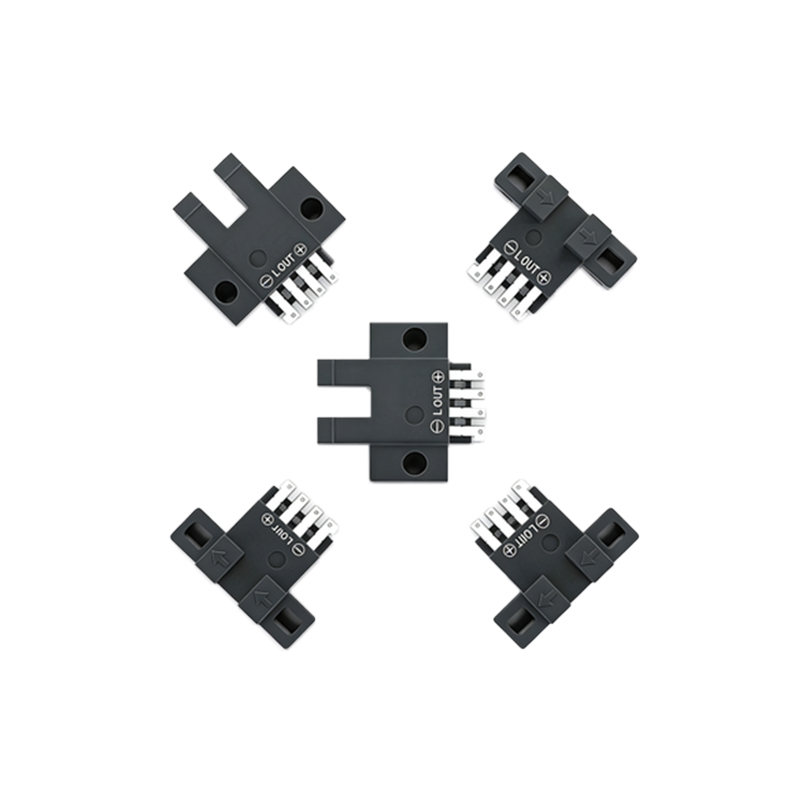
Infrared sensor chips are widely used for proximity sensing and object detection due to their efficiency and cost-effectiveness. The TCRT5000 is a common reflective IR sensor chip combining an IR emitter and phototransistor in a compact package, suitable for line-following robots and edge detection. For longer ranges, the GP2Y0A21YK0F analog distance sensor chip provides measurements from 10 to 80 cm with good accuracy, ideal for obstacle avoidance in automated systems. Another notable model is the Vishay TSOP38238, a receiver chip tuned to 38 kHz, often paired with remote controls or data transmission devices. These chips excel in low-light environments but may require filtering to reduce interference from ambient IR sources.
Laser-Based Sensor Chip Options
Laser sensor chips offer high precision for applications demanding fine resolution, such as dimensional gauging or alignment. The STMicroelectronics VL53L0X is a time-of-flight (ToF) laser ranging chip that measures distances up to 2 meters with millimeter-level accuracy, using a VCSEL (Vertical-Cavity Surface-Emitting Laser) and SPAD (Single-Photon Avalanche Diode) detector. It operates on I2C interfaces, making it easy to integrate into embedded systems. For industrial sorting or barcode scanning, the Analog Devices ADNS-3080 optical navigation chip utilizes laser technology to track movement with high sensitivity. These chips typically require careful calibration and protection from dust or vibrations to maintain performance in factory environments.
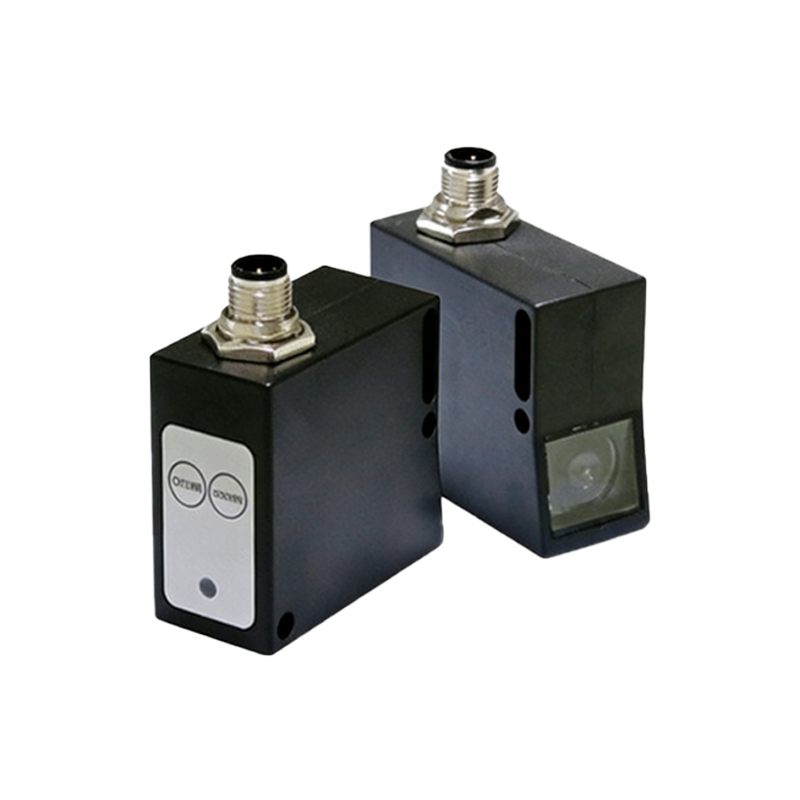
Visible Light and Ambient Sensor Chips
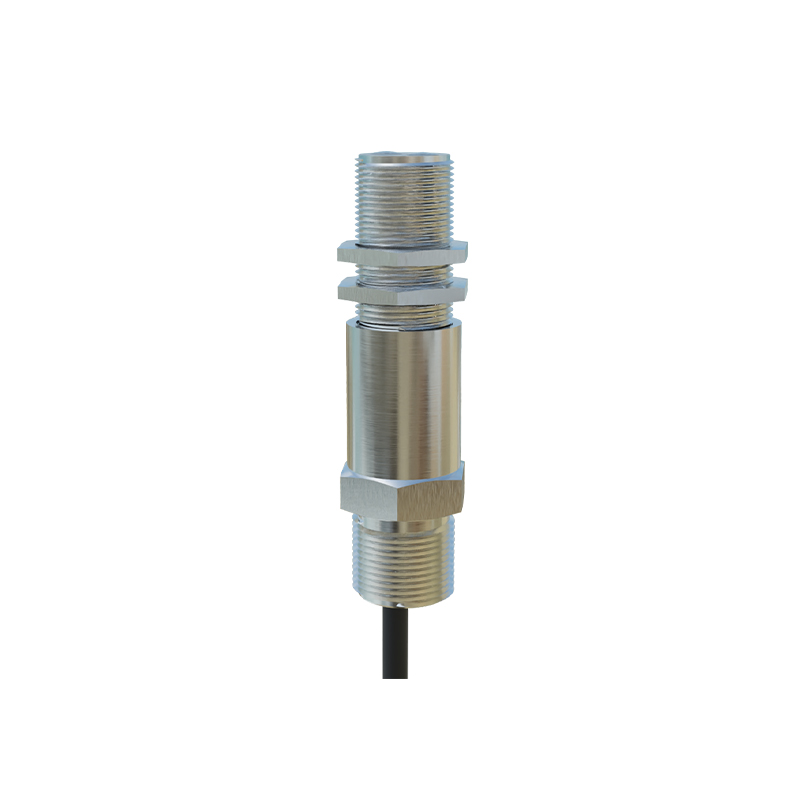
Visible light sensor chips detect ambient light levels or specific colors, useful in display brightness adjustment or quality inspection. The Texas Instruments OPT3001 is a digital ambient light sensor chip with a broad spectral range matching human eye response, providing accurate lux measurements for energy-saving lighting systems. For color sensing, the AMS TCS34725 integrates RGB and clear light sensing with an IR filter, enabling precise color identification in material handling or printing processes. These chips often feature low power consumption and digital outputs (e.g., I2C or SPI), simplifying connectivity with microcontrollers or PLCs in automated setups.
Key Selection Criteria for Engineers
Choosing the right photoelectric sensor chip involves evaluating several technical aspects. Sensing distance and resolution must align with application needs—for instance, short-range detection may favor IR chips like the TCRT5000, while long-range precision suits laser models like the VL53L0X. Response time is critical in high-speed automation; chips with microsecond-level speeds, such as the GP2Y0A21YK0F, prevent bottlenecks. Environmental factors like temperature, humidity, and exposure to contaminants dictate durability requirements; industrial-grade chips often include protective coatings or housings. Additionally, interface compatibility (analog vs. digital) and power supply constraints should be considered to ensure seamless integration into existing systems.
Integration and Application Examples
In practice, photoelectric sensor chips are deployed in various industrial scenarios. For conveyor belt systems, IR chips like the TCRT5000 can detect product presence or count items, triggering actuators or data loggers. Laser chips such as the VL53L0X are employed in robotic arms for precise positioning during assembly tasks. Ambient light sensors like the OPT3001 optimize warehouse lighting based on natural light levels, reducing energy costs. When integrating these chips, engineers must design proper circuitry, including signal conditioning and noise reduction, to mitigate issues like false triggers from electrical interference. Regular maintenance and testing ensure long-term reliability, especially in continuous operation environments.
Future Trends and Innovations
The photoelectric sensor chip industry is evolving with advancements in miniaturization, smart sensing, and connectivity. Emerging chips incorporate AI algorithms for adaptive thresholding, reducing manual calibration efforts. Multi-spectral sensors that combine IR, visible, and UV detection are gaining traction for complex inspection tasks in pharmaceuticals or agriculture. Wireless-enabled chips, such as those with Bluetooth Low Energy (BLE), facilitate IoT deployments in smart factories. As demand for automation grows, expect chips with higher integration, lower power consumption, and enhanced robustness to dominate the market, driving efficiency and innovation across sectors.