Introduction to Waterproofing in Miniature Proximity Sensors
Miniature proximity sensors are essential components in modern automation and industrial applications, where they detect the presence or absence of objects without physical contact. These sensors often operate in harsh environments, including areas exposed to moisture, dust, or chemicals. Waterproofing is a critical feature that ensures reliable performance and longevity in such conditions. The waterproofing principles involve a combination of material selection, sealing techniques, and design innovations to prevent water ingress, which could lead to sensor failure or inaccurate readings. By understanding these principles, engineers can select appropriate sensors for specific applications, such as outdoor machinery, food processing, or marine equipment, where exposure to liquids is common.
Material Selection for Water Resistance
The foundation of waterproofing in miniature proximity sensors lies in the materials used for their construction. Key components, such as the housing and sensing face, are typically made from robust materials like stainless steel, brass, or high-grade plastics such as PBT or PPS. These materials are chosen for their corrosion resistance and ability to withstand environmental stressors. Additionally, seals and gaskets are crafted from elastomers like silicone or fluorocarbon rubber, which provide flexibility and durability against water penetration. The material properties must align with the sensor's IP (Ingress Protection) rating, which classifies its resistance to solids and liquids. For instance, sensors rated IP67 or IP68 are designed to be fully waterproof, with materials that can endure temporary immersion or continuous exposure to water.
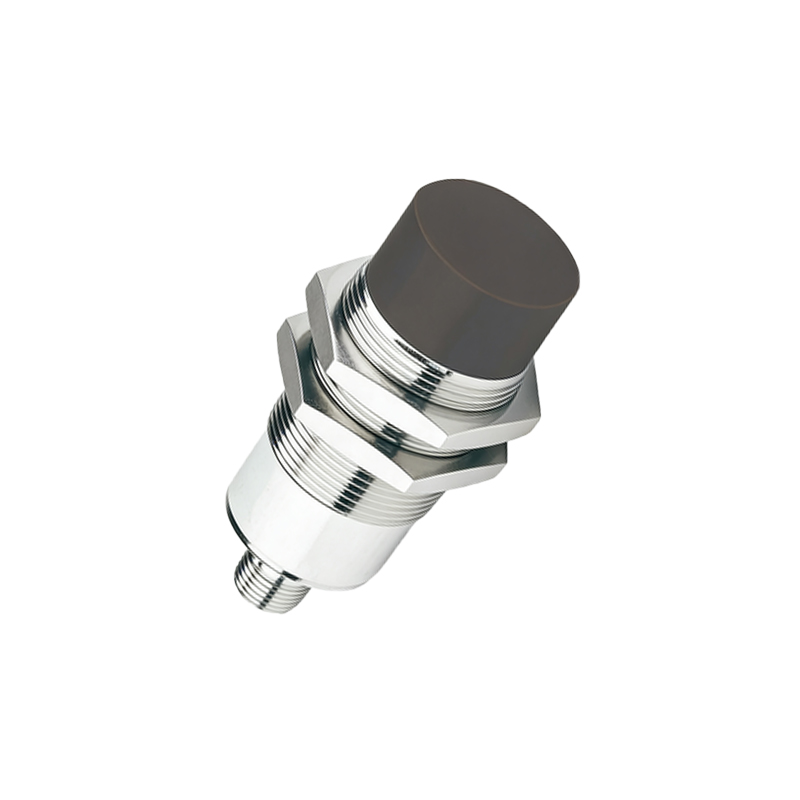
Sealing Techniques and Encapsulation Methods
Effective sealing is paramount to achieving waterproofing in miniature proximity sensors. Common techniques include O-ring seals, potting, and laser welding. O-rings are used at joints and interfaces, such as between the housing and cable entry points, to create a tight barrier against water. Potting involves filling the sensor's internal cavity with a resin or epoxy compound that encapsulates electronic components, protecting them from moisture and mechanical shock. Laser welding provides a hermetic seal for metal housings, ensuring no gaps for water to enter. These methods are often combined to enhance protection, especially in sensors with complex designs or multiple entry points. The choice of sealing technique depends on factors like sensor size, operating temperature, and cost constraints, with each method offering varying levels of waterproofing efficiency.
Design Considerations for Enhanced Waterproofing
The design of miniature proximity sensors plays a crucial role in their waterproof capabilities. Engineers focus on minimizing seams and openings where water could infiltrate. For example, sensors may feature a one-piece housing or integrated cable glands to reduce potential leak paths. The sensing face is often flush-mounted or coated with a protective layer to prevent water accumulation. Venting systems, if used, are designed with hydrophobic membranes that allow air pressure equalization while blocking liquids. Additionally, the overall compact size of miniature sensors requires precise engineering to maintain waterproof integrity without compromising sensitivity or detection range. Design simulations and testing, such as finite element analysis, help optimize these aspects before manufacturing, ensuring the sensor meets industry standards for waterproof performance.
Testing and Certification Standards
To verify waterproofing, miniature proximity sensors undergo rigorous testing according to international standards, primarily the IP rating system defined by IEC 60529. Tests include exposure to water jets, immersion, and humidity cycles to simulate real-world conditions. For instance, an IP67-rated sensor must withstand immersion in water up to 1 meter deep for 30 minutes, while an IP68 rating indicates protection against continuous immersion under specified conditions. Other standards, such as NEMA or MIL-STD, may apply for specialized applications. Certification ensures that sensors can perform reliably in wet environments, providing confidence to users in industries like automotive, agriculture, or wastewater management. Regular quality checks during production help maintain consistency in waterproofing across sensor batches.
Applications and Benefits of Waterproof Miniature Proximity Sensors
Waterproof miniature proximity sensors are indispensable in various sectors where moisture exposure is inevitable. In automotive manufacturing, they detect parts on assembly lines that may be cleaned with water. In food and beverage processing, they operate in washdown areas without contamination risks. Marine and offshore applications rely on them for equipment monitoring in salty or humid conditions. The benefits include reduced downtime, lower maintenance costs, and extended sensor lifespan. By preventing water damage, these sensors ensure accurate detection, contributing to overall system efficiency and safety. As technology advances, innovations in nanomaterials and smart coatings may further enhance waterproofing, enabling sensors to function in even more extreme environments.
Conclusion and Future Trends
The waterproofing principles of miniature proximity sensors revolve around material durability, advanced sealing, and thoughtful design. These elements work together to protect sensitive