Introduction to Photoelectric Sensors
Photoelectric sensors are widely used in industrial automation for detecting the presence, absence, or position of objects without physical contact. The ST150 series represents a robust and reliable category of these sensors, designed to perform in demanding environments. These devices operate by emitting a light beam and analyzing the reflected or interrupted light to determine object detection. Their non-contact nature minimizes wear and tear, ensuring long-term operational stability and reducing maintenance needs. The ST150 models are particularly valued for their durability, precision, and adaptability across various applications, from packaging lines to material handling systems. Understanding their working principle is essential for engineers to optimize performance and troubleshoot issues effectively.
Core Components of the ST150 Sensor
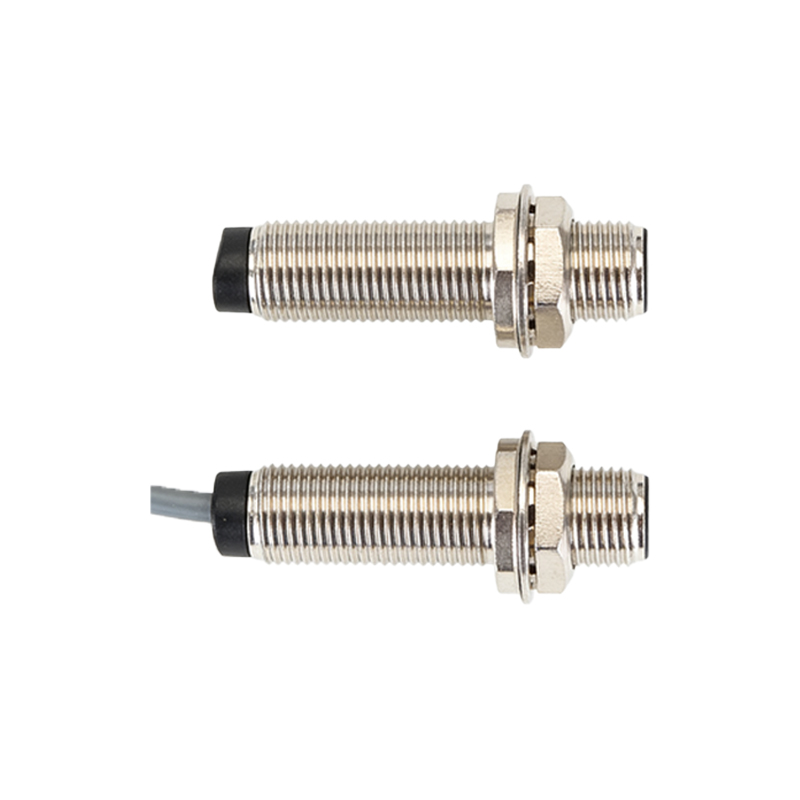
The ST150 photoelectric sensor consists of several key components that enable its functionality. Primarily, it includes a light emitter, typically an LED that produces infrared, visible red, or laser light, depending on the model. This emitter generates a focused beam directed toward the target area. Opposite or adjacent to the emitter is a photodetector, such as a phototransistor or photodiode, which captures the light signal. The sensor housing is constructed from industrial-grade materials to protect against dust, moisture, and mechanical shocks, often rated with IP67 or higher standards. Internal circuitry processes the detected signals, converting them into electrical outputs. Additionally, adjustable potentiometers or digital interfaces allow for sensitivity tuning and mode selection, enhancing versatility in different operational settings.
Fundamental Operating Principles
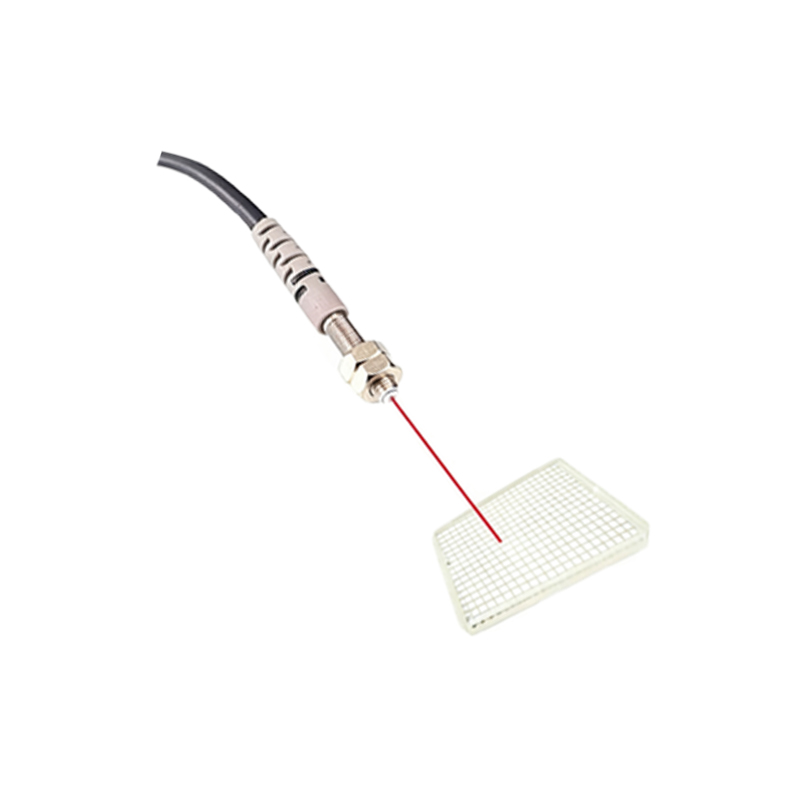
The working principle of the ST150 photoelectric sensor is based on light modulation and reception. In the most common configuration, known as through-beam mode, the emitter and detector are placed opposite each other. When an object passes between them, it interrupts the light beam, causing the detector to register a change in light intensity. This triggers the sensor's output switch, signaling object detection. Alternatively, in retro-reflective mode, the emitter and detector are housed together, and a reflector bounces the light back. An object blocking this reflected beam activates the sensor. Diffuse mode relies on the object itself reflecting light directly to the detector, suitable for detecting non-reflective surfaces. The ST150 utilizes advanced optics and signal processing to distinguish between ambient light and the emitted beam, ensuring accurate detection even in bright environments.
Signal Processing and Output Mechanisms
Upon detecting changes in light, the ST150's internal electronics process the signal to determine the presence of an object. This involves amplifying the weak photodetector signal and comparing it to a predefined threshold set via sensitivity adjustments. Noise filtering circuits eliminate interference from external light sources or electrical disturbances, enhancing reliability. Once processed, the sensor generates an output signal, which can be in digital form (e.g., NPN or PNP transistor outputs) or analog signals for distance measurement. Some ST150 models feature programmable logic functions, allowing for custom response patterns like time delays or pulse outputs. This output is then transmitted to control systems, such as PLCs or robots, to initiate actions like stopping a conveyor or counting items, integrating seamlessly into automated workflows.
Application Scenarios and Benefits
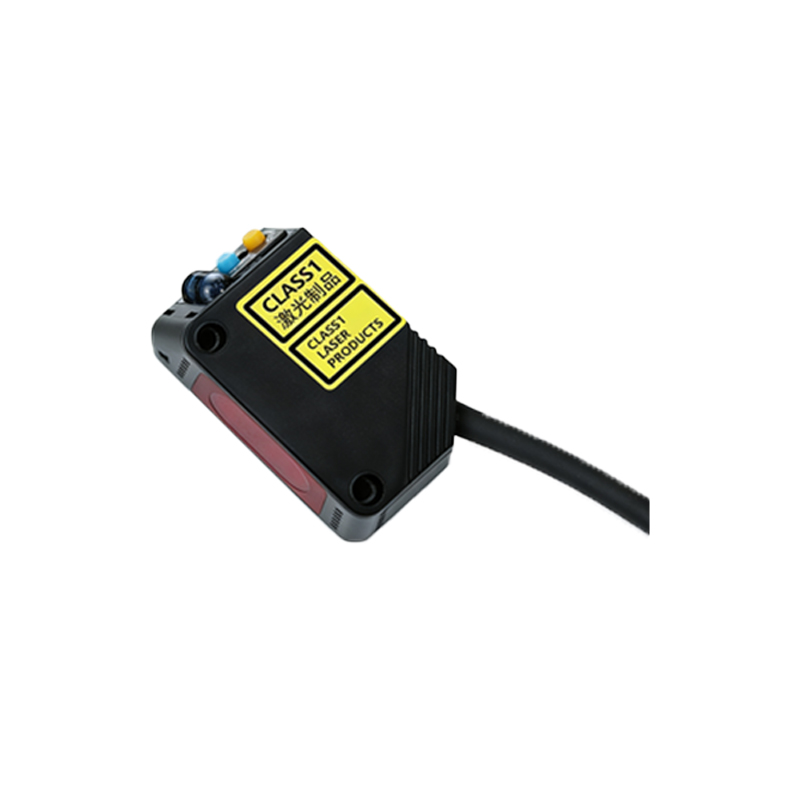
ST150 photoelectric sensors are deployed in diverse industrial scenarios due to their versatility. In manufacturing, they detect product presence on assembly lines, ensuring proper positioning and reducing jams. In logistics, they monitor package flow on conveyors, enabling accurate sorting and inventory management. Their high-speed response makes them ideal for counting applications, such as tracking items in bottling plants. Key benefits include non-contact operation, which prevents damage to both sensor and objects, and high precision, with detection ranges adjustable from millimeters to several meters. The ST150's rugged design ensures consistent performance in harsh conditions, like extreme temperatures or vibrating machinery, minimizing downtime and maintenance costs while improving overall system efficiency.
Installation and Calibration Guidelines
Proper installation is crucial for optimal ST150 sensor performance. Engineers should mount the sensor securely, aligning the emitter and detector accurately in through-beam setups to avoid misalignment that could cause false triggers. For retro-reflective or diffuse modes, positioning relative to reflectors or target surfaces must consider angle and distance to maximize signal strength. Calibration involves adjusting sensitivity potentiometers or using teach-in functions to set detection thresholds, accounting for environmental factors like ambient light or surface reflectivity. Regular testing with actual objects ensures reliable operation. Maintenance includes periodic cleaning of lenses to prevent dust buildup and checking connections for corrosion. Following manufacturer guidelines extends sensor lifespan and maintains detection accuracy in long-term use.
Common Troubleshooting Tips
When ST150 sensors malfunction, systematic troubleshooting can identify issues. If detection fails, first verify power supply and wiring connections, as loose cables often cause problems. Check for obstructions in the light path or dirty lenses that may attenuate the beam. Adjust sensitivity settings if the sensor is too sensitive or not sensitive enough, recalibrating based on target characteristics. In environments with strong ambient light, shielding the sensor or using models with modulated light can prevent interference. If output signals are erratic, inspect for electrical noise from nearby motors or switches, and ensure proper grounding. Consulting the sensor's manual for error codes or using diagnostic tools can pinpoint faults, allowing for quick repairs or replacements to restore functionality.
Future Trends and Innovations
The evolution of photoelectric sensors like the ST150 is driven by advancements in technology. Future models may incorporate IoT capabilities, enabling wireless connectivity for remote monitoring and data analytics in smart factories. Enhanced optics and algorithms could improve detection accuracy for smaller or transparent objects, expanding application ranges. Energy-efficient designs with lower power consumption will support sustainable operations. Integration with AI systems might allow predictive maintenance by analyzing sensor performance trends. As industries embrace Industry 4.0, ST150 sensors are expected to become more intelligent and adaptable, offering seamless communication with other devices to optimize automated processes and boost productivity in evolving industrial landscapes.