Introduction to Explosion-Proof Photoelectric Sensors
In industrial settings where flammable gases, vapors, or combustible dusts are present, standard electronic equipment can become a source of ignition. This is where explosion-proof photoelectric sensors become indispensable. These specialized devices are engineered to detect the presence, absence, or distance of an object using a light beam—typically infrared, visible red, or laser—while being housed in robust enclosures that prevent internal sparks or excessive heat from igniting the surrounding hazardous atmosphere. Their design adheres to stringent international standards, such as ATEX in Europe and IECEx globally, which classify hazardous areas into zones based on the probability and duration of an explosive atmosphere. By integrating these sensors, facilities in oil and gas, chemical processing, pharmaceutical manufacturing, and grain handling can achieve high levels of automation and process control without compromising safety. The fundamental principle remains the same as standard photoelectric sensors: an emitter projects a light beam onto a receiver, either directly (through-beam), via a reflector (retro-reflective), or by detecting the diffuse reflection from the target itself (diffuse). However, the construction and certification processes are vastly more complex, involving rigorous testing to ensure containment of any potential explosion within the housing and to limit surface temperatures.
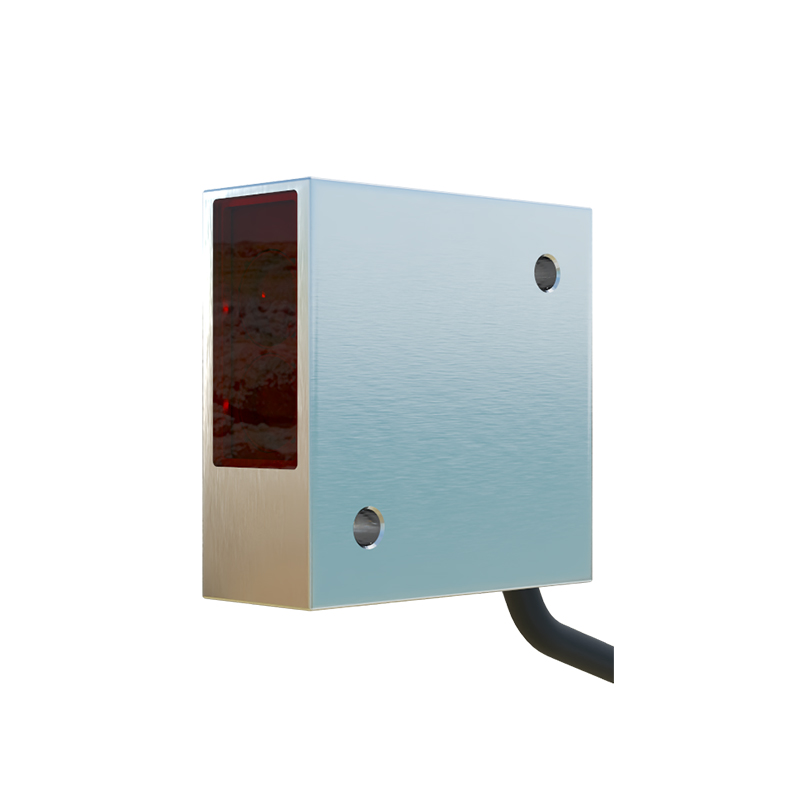
Key Design Principles and Certifications
The design of an explosion-proof photoelectric sensor revolves around containment, prevention, and limitation. The enclosure, often made of durable materials like stainless steel or brass with thick glass windows for the lens, is constructed to withstand an internal explosion without rupturing and to prevent the transmission of the explosion to the external hazardous atmosphere. This is the principle of "flameproof" or "explosion-proof" enclosures (Ex d). Additionally, sensors may use intrinsic safety (Ex i) designs, which limit the electrical energy in the circuitry to levels too low to ignite a spark, even under fault conditions. Other protection methods include increased safety (Ex e), encapsulation (Ex m), and powder filling (Ex q). Choosing the correct certification is paramount. For gas environments, Zone 0, 1, and 2 classifications (with Zone 0 being the most hazardous) dictate the required protection level. For dust, Zones 20, 21, and 22 apply. A sensor certified for both gas and dust (marked with "II 2G Ex db IIC T6 Gb" and "II 2D Ex tb IIIC T85°C Db" for example) offers broad applicability. The Temperature Class (T1 to T6) or maximum surface temperature is also critical, as it must be below the auto-ignition temperature of the specific gas or dust present.
Selection Criteria for Optimal Performance
Selecting the right explosion-proof photoelectric sensor requires a detailed analysis of the application. First, the hazardous area classification (Zone and gas group) must be precisely identified. Next, consider the sensing mode: through-beam sensors offer the longest range and highest reliability but require separate emitter and receiver units; retro-reflective models are easier to align using a reflector; diffuse sensors are simplest to install as they require only a single unit but have shorter ranges and can be influenced by the target's color and reflectivity. Key performance specifications include sensing distance, response time, light source type (modulated LED for immunity to ambient light), and output type (PNP/NPN, analog, IO-Link). Environmental durability is also crucial—look for high IP (Ingress Protection) ratings like IP67 or IP69K for resistance to dust and water jets, and robust construction to withstand vibration, mechanical shock, and corrosive chemicals. For challenging detection tasks, such as seeing through dirty environments or detecting small objects, specialized models with background suppression or focused laser beams are available. Always verify that the sensor's housing material, lens material, and sealing are compatible with the specific chemicals or cleaning processes used in the facility.
Installation, Maintenance, and Safety Practices
Proper installation is critical to maintaining the sensor's explosion-proof integrity and performance. Installation must be performed by qualified personnel in accordance with the manufacturer's instructions and relevant national electrical codes. This includes using certified cable glands to maintain the seal at the conduit entry point, ensuring all enclosure bolts are tightened to the specified torque, and never modifying or drilling into the housing. The alignment of through-beam or retro-reflective sensors must be precise to ensure consistent operation. Regular maintenance involves visual inspections for damage to the housing or lens, checking for corrosion, and verifying the tightness of mechanical seals. The optical lens should be kept clean from dust, oil, or residue that could attenuate the light beam. It is vital to de-energize the circuit and perform a gas clearance (if required) before opening any enclosure in a hazardous area. Many modern sensors feature diagnostic capabilities via LED indicators or IO-Link communication, providing valuable data on device health, signal strength, and potential alignment issues, enabling predictive maintenance and reducing downtime.
Future Trends and Technological Advancements
The future of explosion-proof photoelectric sensing is being shaped by the convergence of robust safety engineering and Industry 4.0 digitalization. Sensors are becoming smarter and more connected. The integration of IO-Link communication is a significant trend, allowing for detailed parameter setting, remote monitoring, and the collection of process data directly from the hazardous area to higher-level control systems. This facilitates condition-based maintenance and integration into digital twin models. Advances in laser diode technology are enabling smaller spot sizes and longer sensing ranges even in compact, explosion-proof housings. Furthermore, there is a growing emphasis on developing sensors with enhanced resistance to extreme conditions, such as higher pressure washdowns in food and pharmaceutical industries, or sensors capable of operating in wider temperature ranges. The use of new materials for lenses and housings to improve chemical resistance and durability is also ongoing. Ultimately, the goal is to provide safer, more reliable, and more intelligent sensing solutions that contribute to both operational efficiency and the unwavering protection of personnel and assets in the world's most challenging industrial environments.