Factors Influricing Sensor Cost
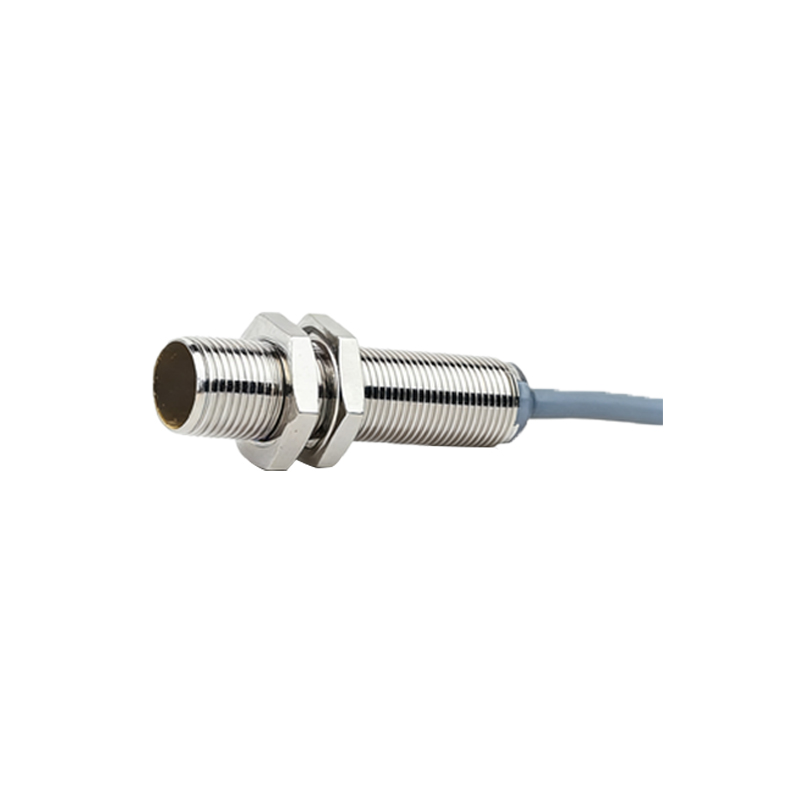
The price of a magnetic inductive proximity sensor is not a single, fixed value but a spectrum determined by a confluence of engineering and market factors. At its core, the cost is heavily influenced by the sensor's fundamental specifications. Sensing range is a primary driver; a sensor capable of detecting a ferrous metal target from 15mm will typically command a higher price than one with a 5mm range due to more complex coil design and signal processing requirements. Similarly, the housing material—whether standard nickel-plated brass, stainless steel for corrosive environments, or specialized PBT plastic—directly impacts material costs. The level of ingress protection (IP67, IP68, IP69K) also adds to the price, as achieving higher ratings requires more sophisticated sealing techniques and robust construction.
Technology and Output Variations
The internal technology and output type are significant cost differentiators. Basic two-wire AC/DC sensors are generally the most economical entry point. Three-wire DC sensors (PNP or NPN output) offer more stable switching and better compatibility with programmable logic controllers (PLCs), incurring a moderate price increase. Sensors with analog current (4-20mA) or voltage (0-10V) outputs, which provide continuous position feedback rather than a simple on/off signal, are positioned in a higher price bracket due to their added circuitry. Furthermore, the inclusion of advanced features like IO-Link communication, which enables parameter setting, condition monitoring, and diagnostics, adds a substantial premium but delivers immense value in smart factory setups.
Brand Reputation and Supply Chain
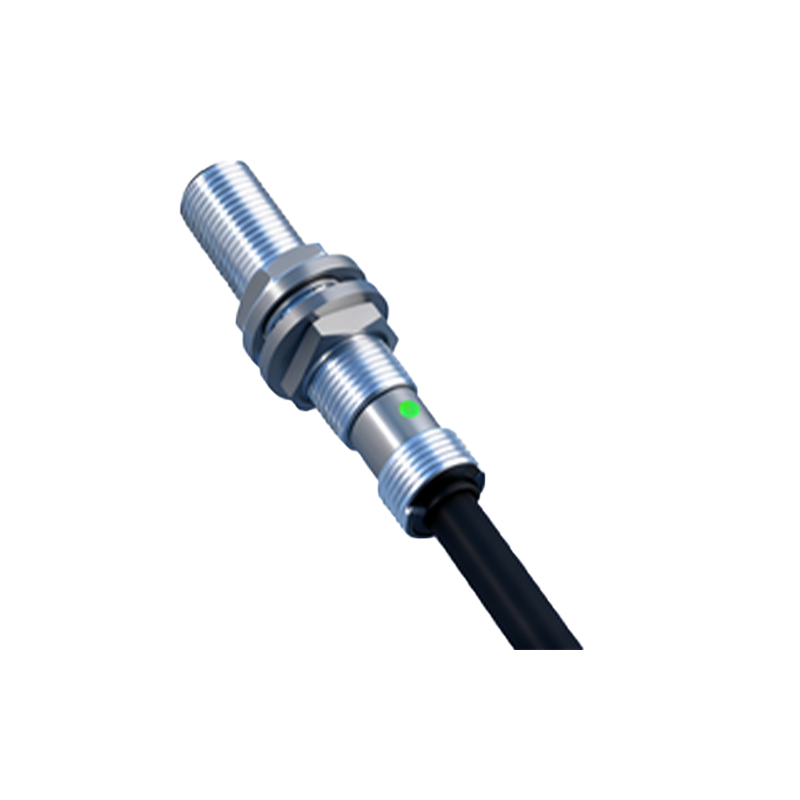
Brand equity and supply chain stability play crucial, often underestimated, roles in pricing. Established global manufacturers like Siemens, Pepperl+Fuchs, Omron, and Balluff price their sensors at a premium. This reflects decades of R&D investment, proven reliability in harsh conditions, extensive global certification (e.g., ATEX, UL), and comprehensive technical support and warranty services. In contrast, generic or regional brands may offer similar-specified sensors at lower prices, potentially compromising on long-term reliability, batch consistency, or availability of technical documentation. Lead times and geographic availability can also cause price fluctuations, especially during component shortages.
Order Volume and Packaging
The economics of scale apply directly to sensor procurement. Purchasing a single sensor from a distributor's stock will always carry the highest unit cost. Significant price reductions are achievable through volume discounts for OEM (Original Equipment Manufacturer) integration or large MRO (Maintenance, Repair, and Operations) stock orders. Packaging format is another consideration. Sensors sold individually in retail packaging are costlier per unit than those supplied in bulk on reel packaging for automated assembly lines. For large-scale production, negotiating a direct contract with the manufacturer often yields the most favorable pricing structure.
Total Cost of Ownership Analysis
A savvy engineer or purchaser must look beyond the initial purchase price (CAPEX) and evaluate the Total Cost of Ownership (TCO). A cheaper sensor with a lower Mean Time Between Failures (MTBF) can lead to frequent, costly unplanned downtime, production losses, and higher replacement labor costs. A premium, more expensive sensor with superior durability and diagnostic capabilities (like over-temperature warnings via IO-Link) minimizes operational expenditure (OPEX). Its longer service life and reliability in preventing line stoppages often result in a lower TCO, making it the more economical choice over a five or ten-year horizon.
Current Market Price Ranges
As of the current market, providing exact figures is impractical due to volatility, but indicative ranges can be outlined. A standard, tubular M12 or M18 form factor sensor with a 5-8mm range, PNP output, and IP67 rating from a generic brand may start in the range of $15 to $30 per unit. An equivalent from a top-tier industrial brand might range from $35 to $70. Specialized sensors—such as weld-field immune models for robotic welding cells, high-temperature variants, or those with extended ranges over 30mm—can easily cost $100 to $300 or more. Analog and IO-Link enabled devices typically add 20% to 50% to the base price of a standard switching sensor.
Procurement Strategy Recommendations
Developing an effective procurement strategy is key. First, accurately define the application requirements: required sensing distance, target material, environmental conditions (temperature, chemicals, washdown), electrical interface, and needed certifications. Avoid over-specifying, as paying for unneeded features wastes budget. For non-critical or low-volume applications, reputable mid-tier or generic brands can be a good fit. For critical processes, high-volume lines,