Understanding Photoelectric Sensor Slot Width
Photoelectric sensors with slot-type designs are widely used in industrial automation for detecting objects, counting, and positioning. The slot width, which is the distance between the emitter and receiver within the sensor housing, plays a critical role in determining detection accuracy and reliability. A properly adjusted slot width ensures that the sensor can accurately detect objects of varying sizes while minimizing false triggers from environmental factors like dust or ambient light. In many applications, such as assembly lines or packaging machinery, reducing the slot width is necessary to enhance precision for smaller objects or to improve response times. However, adjusting the slot width requires careful consideration of the sensor's specifications, including its optical characteristics, response speed, and environmental ratings. Engineers must first assess the application requirements, such as the minimum object size to be detected and the required sensing distance, before proceeding with adjustments. This foundational understanding helps prevent operational issues and extends the sensor's lifespan in demanding industrial settings.
Factors Influencing Slot Width Adjustment
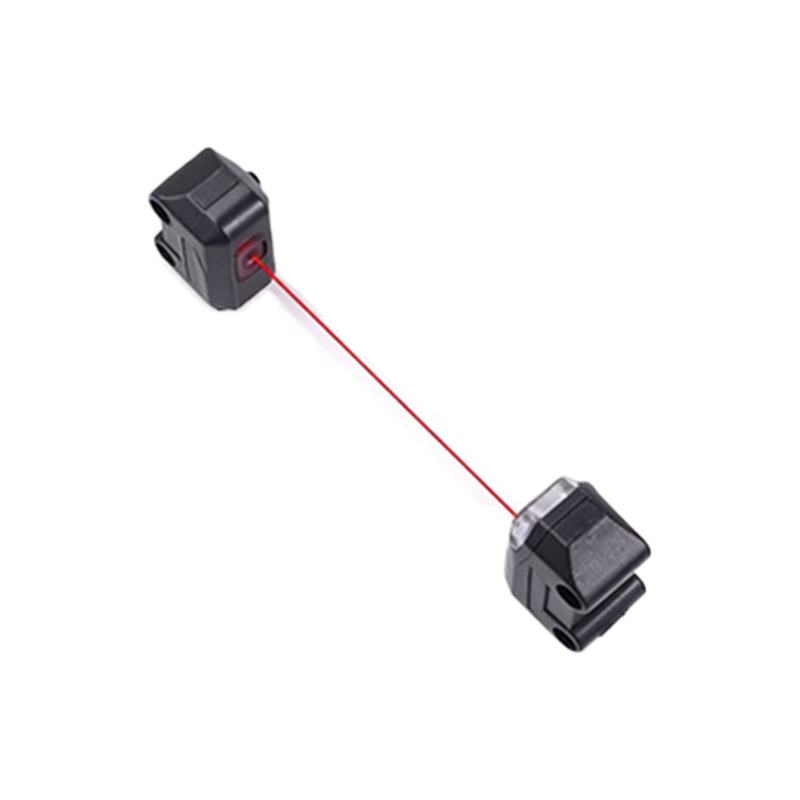
Several technical factors must be evaluated when aiming to reduce the slot width of a photoelectric sensor. First, the optical beam alignment between the emitter and receiver is crucial; misalignment can lead to inconsistent detection or failure. Sensors typically feature adjustable components, such as lenses or apertures, that allow fine-tuning of the beam path. Second, the sensor's housing design may limit how much the slot width can be reduced—manufacturers often specify minimum and maximum widths based on structural integrity and performance. Third, environmental conditions, like temperature fluctuations or vibration, can affect the slot width over time, necessitating periodic recalibration. Additionally, the type of photoelectric sensor (e.g., through-beam, retro-reflective) influences adjustment methods; for slot-type sensors, internal mechanisms might include screws or sliders for width modification. Engineers should consult the sensor's datasheet to understand these constraints and avoid damaging the device. By accounting for these factors, adjustments can be made safely and effectively, ensuring optimal sensor functionality.
Step-by-Step Guide to Reducing Slot Width
To adjust the slot width of a photoelectric sensor, follow a systematic approach. Begin by powering down the sensor and disconnecting it from the electrical supply to ensure safety. Inspect the sensor housing for adjustment points, which are often marked or described in the user manual. Using appropriate tools, such as a precision screwdriver, gently modify the slot width by turning adjustment screws or moving internal components—this may involve narrowing the gap between the emitter and receiver. After making physical adjustments, reconnect the sensor and test it with a sample object that matches the intended detection size. Monitor the sensor's output signal using an oscilloscope or multimeter to verify consistent detection. If the sensor fails to operate correctly, recheck the alignment and consult the manufacturer's guidelines for troubleshooting. In some advanced models, digital interfaces allow software-based adjustments of sensitivity and beam width, which can indirectly affect slot performance. Always document the changes made and recalibrate the sensor periodically to maintain accuracy in dynamic industrial environments.
Common Challenges and Solutions
Reducing the slot width can introduce challenges that impact sensor performance. One frequent issue is decreased signal strength, as a narrower slot may reduce the amount of light reaching the receiver, leading to unreliable detection. To mitigate this, ensure the emitter lens is clean and free of obstructions, and consider using sensors with higher output power or enhanced sensitivity settings. Another challenge is alignment drift, where vibrations or thermal expansion cause the slot width to change unintentionally; using robust mounting brackets and selecting sensors with stable materials can help. Additionally, ambient light interference might become more pronounced with a smaller slot, so employing sensors with modulated light sources or protective shrouds is advisable. If adjustments result in persistent false triggers, reevaluate the application's environmental factors and possibly switch to a sensor model designed for narrower slots. By anticipating these issues and implementing preventive measures, engineers can achieve reliable operation without compromising detection quality.
Best Practices for Maintenance and Calibration
Maintaining an adjusted photoelectric sensor requires regular checks and calibration to ensure long-term accuracy. Establish a maintenance schedule that includes visual inspections for dirt or damage on the slot and optical components, cleaning them with approved materials like lint-free cloths. Calibrate the sensor using certified reference objects that match the desired detection size, and record performance metrics over time to identify trends or degradation. In automated systems, integrate self-diagnostic features if available, such as LED indicators or error outputs, to alert operators to potential issues. When replacing sensors, choose models with similar or improved slot width specifications to avoid recalibration delays. Training personnel on proper adjustment techniques and safety protocols is also essential to prevent mishandling. By adhering to these best practices, industries can maximize sensor efficiency, reduce downtime, and support precise automation processes in applications ranging from electronics manufacturing to logistics.