Introduction to Proximity Sensor PX5442N
The PX5442N is a high-performance inductive proximity sensor designed for demanding industrial environments. Engineered with robust materials and advanced sensing technology, this sensor offers reliable non-contact detection of metallic objects. Its compact cylindrical housing, typically constructed from nickel-plated brass or stainless steel, ensures durability against mechanical stress, oils, and coolants. The PX5442N operates on a standard DC voltage range, commonly 10-30V DC, and features a short-circuit and reverse polarity protection circuit, enhancing its longevity in complex electrical setups. With a sensing range optimized for its size, it provides precise detection, making it a staple in automation systems where accuracy and repeatability are paramount.
Key Technical Specifications and Operating Principles
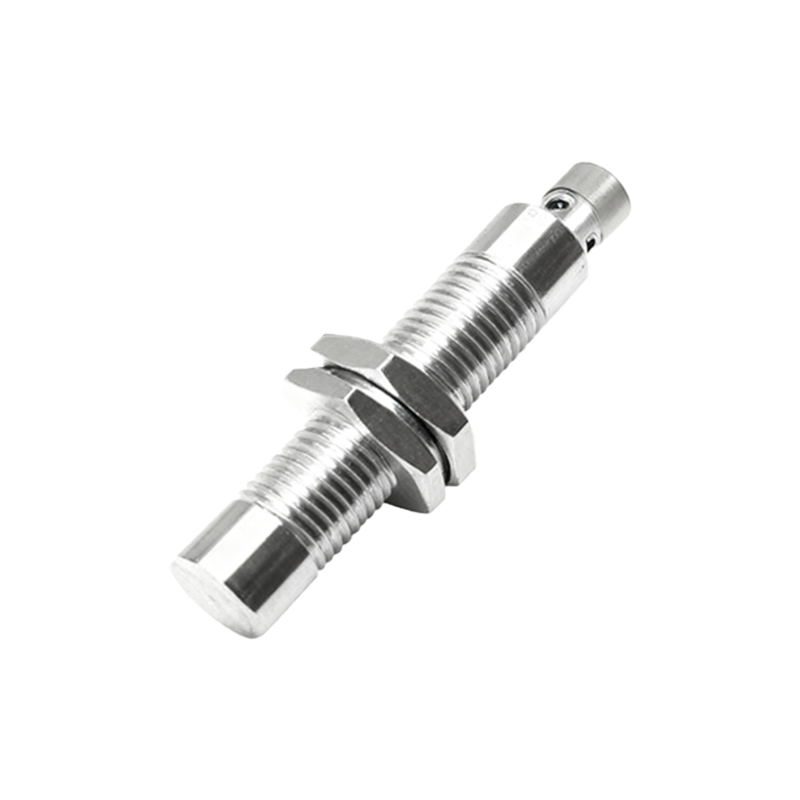
At its core, the PX5442N utilizes an electromagnetic field generated by an oscillator coil. When a metallic target enters this field, eddy currents are induced, causing a change in the oscillation amplitude. This change is detected by the sensor's circuitry, which then switches the output state. Key specifications include a nominal sensing distance, typically up to 15mm depending on the specific model variant, with a hysteresis of approximately 10% to prevent signal chatter. The sensor offers a choice between Normally Open (NO) or Normally Closed (NC) output configurations, with a solid-state NPN or PNP transistor output capable of switching up to 200mA. Its response frequency is high, often reaching several hundred Hertz, allowing for the detection of rapidly moving objects on production lines.
Installation and Wiring Guidelines
Proper installation is critical for optimal performance. The PX5442N is typically mounted using locknuts on its threaded barrel. It is essential to ensure that no surrounding metal (except the target) is within the specified flush-mountable or non-flush-mountable area to avoid false triggering. For wiring, the standard three-wire configuration includes Brown (V+), Blue (V-), and Black (Output) leads. Users must adhere to the voltage ratings and connect the load (e.g., a PLC input or relay) in series with the output wire. Environmental considerations include an operating temperature range from -25°C to +70°C and a high degree of ingress protection, such as IP67, which guarantees resistance to dust and temporary immersion in water.
Typical Industrial Applications and Use Cases
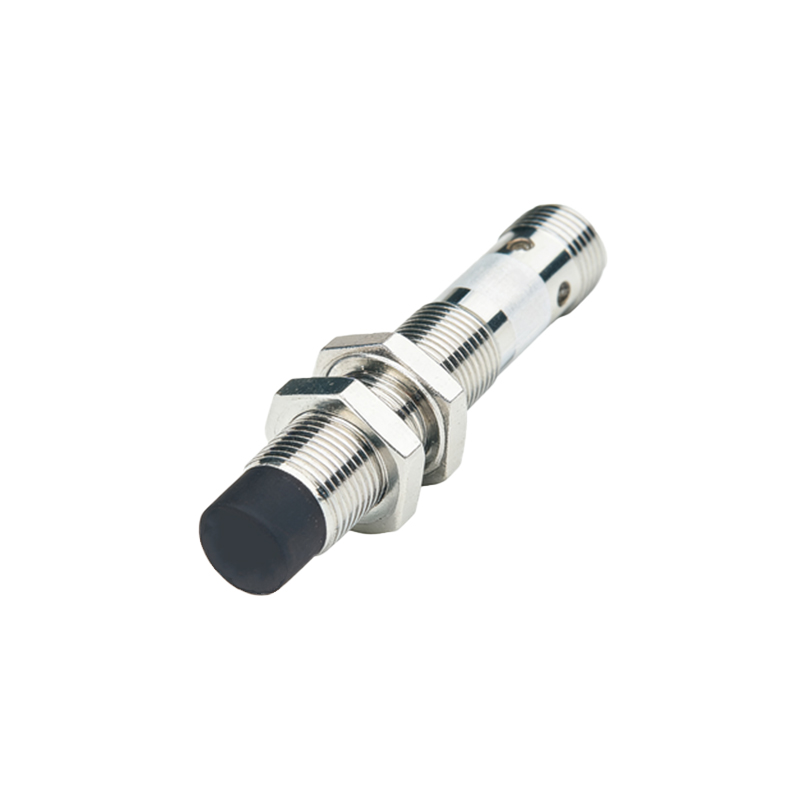
The reliability of the PX5442N makes it suitable for a wide array of applications. In automotive manufacturing, it is used for part presence verification on assembly robots and end-of-arm tooling. Within packaging machinery, it detects the position of metal lids or cans on high-speed conveyors. In material handling, it serves as a limit switch for cylinder position feedback or pallet counting. Its robust design also allows deployment in harsh environments like metal stamping presses or welding stations, where it monitors tool position or workpiece alignment without physical contact, thereby reducing wear and maintenance.
Advantages Over Mechanical Switches and Maintenance Tips
Compared to traditional mechanical limit switches, the PX5442N offers significant advantages: no moving parts mean no mechanical wear, leading to a virtually infinite operational life concerning switching cycles. It provides faster response times and is unaffected by contaminants like dirt or grease. For maintenance, regular checks should include verifying the sensing distance has not drifted due to mounting loosening and ensuring the sensing face is clean from metallic debris buildup, which can reduce effective range. Diagnostic LEDs, commonly integrated into the sensor body, provide immediate status feedback for power and output activation, simplifying troubleshooting.
Conclusion and Selection Considerations
Selecting the PX5442N involves evaluating factors such as the target material (ferrous metals like iron and steel are detected at the nominal range, while non-ferrous metals like aluminum or copper have a reduced range), required sensing distance, output type compatibility with the control system, and environmental ratings. Its proven design, combined with consistent performance under vibration and temperature fluctuations, solidifies its role as a fundamental component in industrial automation. Engineers and technicians value it for delivering precise, maintenance-free sensing, which directly contributes to increased machine uptime and production efficiency.