Understanding Proximity Sensors
Proximity sensors are pivotal components in the realm of industrial automation and electronic systems. These devices detect the presence or absence of an object within a specified range without any physical contact. Operating on various principles such as electromagnetic fields, infrared radiation, or capacitive changes, they provide reliable, non-contact sensing solutions. Their ability to function in harsh environments—where dirt, oil, or extreme temperatures might hinder mechanical switches—makes them indispensable. From manufacturing assembly lines to consumer electronics, proximity sensors ensure precision and efficiency by enabling machines to "sense" their surroundings, thereby triggering appropriate actions seamlessly.
Key Technologies and Operating Principles
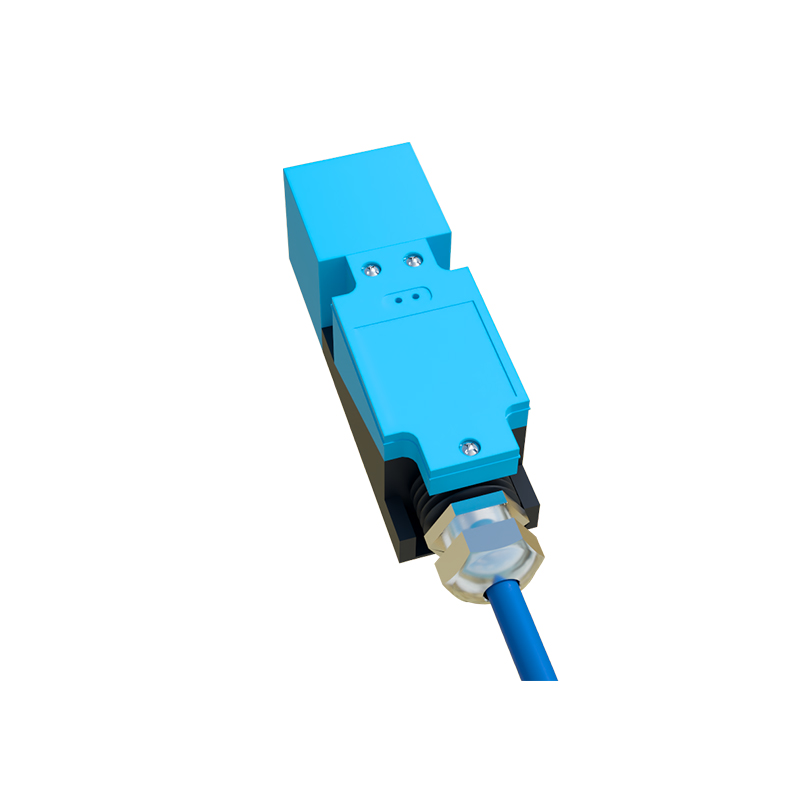
The core value of proximity sensors lies in their diverse technologies, each suited for specific applications. Inductive sensors, for instance, generate an electromagnetic field to detect metallic objects, making them ideal for metal detection in industrial settings. Capacitive sensors, on the other hand, can sense both metallic and non-metallic materials by measuring changes in capacitance, useful in liquid level detection or material handling. Ultrasonic sensors use sound waves to gauge distance, excelling in object positioning and collision avoidance. Photoelectric sensors employ light beams to detect objects, offering long-range capabilities. Understanding these principles allows engineers to select the right sensor type, optimizing performance and reducing downtime in automated systems.
Applications Across Industries
Proximity sensors are ubiquitous across multiple sectors, driving innovation and safety. In automotive manufacturing, they monitor robotic arm movements and ensure precise part alignment, enhancing production speed and quality control. In the aerospace industry, these sensors contribute to landing gear systems and engine monitoring, where reliability is critical. Consumer electronics, such as smartphones and tablets, utilize proximity sensors to disable touchscreens during calls, conserving power and preventing accidental inputs. Additionally, in healthcare, they enable non-contact operation of medical equipment, reducing contamination risks. Their versatility extends to security systems, where they detect intruders, and to smart homes, automating lighting and appliances for energy efficiency.
Advantages Over Traditional Sensing Methods
Compared to mechanical switches or manual detection, proximity sensors offer significant benefits that justify their value. Their non-contact nature minimizes wear and tear, leading to longer lifespans and lower maintenance costs. They provide high-speed response times, crucial for real-time automation processes that demand accuracy. Moreover, their solid-state design enhances durability against vibrations, shocks, and environmental factors. By eliminating physical interaction, they reduce the risk of damage to both the sensor and the target object. This reliability translates into improved productivity and safety, as machines can operate continuously with minimal human intervention, reducing workplace hazards and operational errors.
Future Trends and Innovations
The evolution of proximity sensors is closely tied to advancements in IoT (Internet of Things) and Industry 4.0. Smart sensors with embedded connectivity are becoming more prevalent, enabling data collection and analysis for predictive maintenance and system optimization. Miniaturization trends allow for smaller, more efficient sensors that fit into compact devices, expanding their use in wearable technology and robotics. Enhanced sensitivity and range capabilities are also emerging, thanks to developments in materials science and signal processing. As industries push for greater automation and sustainability, proximity sensors will play a key role in enabling smarter, more responsive systems that adapt to dynamic environments, ultimately driving efficiency and innovation forward.